To mark the 100-year commemorations of the Representation of the People Act, the Education Service worked with professional film-maker, Nigel Kellaway, to engage young people (aged 16-19) with suffrage records held at The National Archives.
‘Suffrage Tales’ is the outcome of this project; a short stop-motion animation film, researched, created and filmed during Sunday 30 July – Friday 4 August 2017. As the power of the vote comes under scrutiny and provokes highly contentious debate, this film throws light upon the historical context of the franchise in a uniquely refreshing way. The young people involved drew upon a wide range of documents from our collection, to produce a film about their interpretations of the fight for women’s suffrage.

Many thanks to the Friends of The National Archives for their support on this project.
You can now view the video in full here, or download our lesson pack complete with questions and clips using the button above.
What would you do?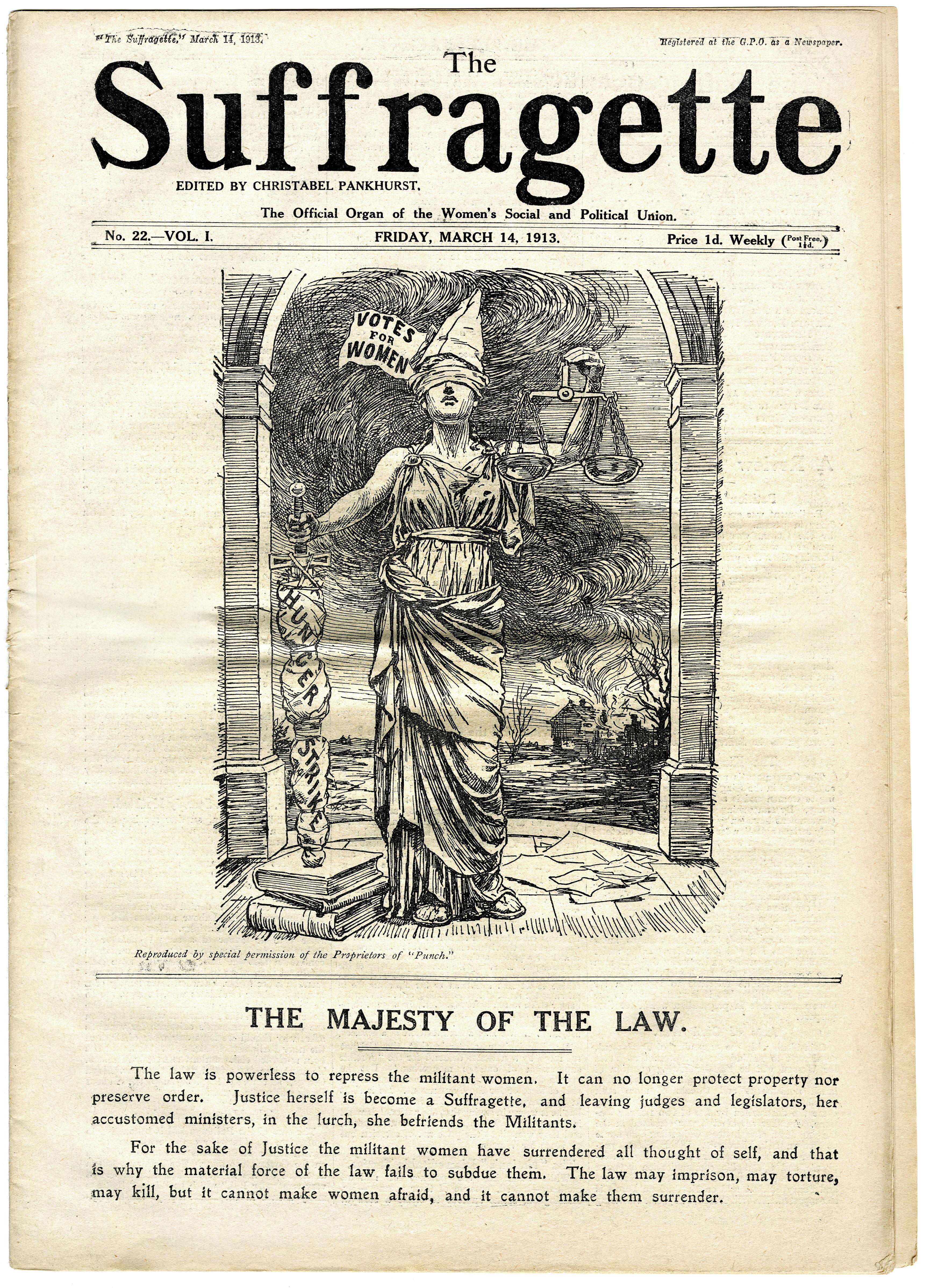 What did the struggle for the vote involve?
Christabel Pankhurst, twenty-three years-old, was impatient for change: ‘the vote question must be settled. Mine was the third generation of women to claim the vote and the vote must now be obtained. To go on helplessly pleading was undignified. Strong and urgent demand was needed. Success must be hastened.’
On 10th October 1903 the Women’s Social and Political Union, a new organisation demanding Votes for Women, pushed its way noisily onto the women’s suffrage scene. Until then the effort was led by Mrs Millicent Fawcett and her National Union of Women’s Suffrage Societies, a movement founded in the 1860s. At Mrs Emmeline Pankhurst’s home in Manchester, the new Union announced its modernity with the three-word slogan: ‘Deeds Not Words.’ Mrs Pankhurst’s eldest daughter Christabel became the strategist for the movement. The campaign was a response to the Great Reform Act of 1832, which had enfranchised only ‘male persons’ with property, excluding, by definition, all women.
The W.S.P.U. demonstrated their agitprop approach in the first of many militant protests: Christabel, and Annie Kenney, a mill girl from Oldham, chose a meeting held by Liberal politicians Winston Churchill and Sir Edward Grey, in Manchester on 13th October 1905. As result of their noisy interruptions and persistent questions, they were ejected and continued to protest outside and were later sent to Strangeways Prison. Today we might now describe their actions as controversial, but at the time they were found deeply troubling and unfeminine. The slogan ‘Deeds Not Words’ had become a reality, and a precedent for their entire campaign.
This public disobedience earned the W.S.P.U. a derogatory nickname, ‘Suffragettes,’ coined by a ‘Daily Mail‘ reporter in January 1906. The ‘Suffragettes’ adopted the term and used it for their militant newspaper, ‘The Suffragette’, launched in the summer of 1912.
The W.S.P.U. moved to London in 1906, and opened a national headquarters at 4, Clement’s Inn. Frederick and Emmeline Pethick-Lawrence funded the office accommodation in the early days. Emmeline’s fundraising and Frederick’s expertise as a barrister initiated a formidable campaign, which has never been seen before or since. By the end 1912, fifty-eight branches existed across the country recruiting women from all backgrounds and occupations. Membership lists were not kept in case of police raids on their premises. Donors listed in their weekly newspaper ‘Votes for Women’ showed that thousands of women supported the campaign financially and actively.
Nowadays we take marketing for granted, but it was first used politically by the W.S.P.U, who created their campaign as a brand. There were well-designed logos, stylish exhibitions, spectacular processions and meetings in London and the major cities. Special colours represented the movement, purple, white and green for freedom, purity, and hope respectively. Supporters wore the colours and they were used on badges, bicycles, chocolate bars, cakes, jewelry and even a motor-car.
Faced with determined opposition from many politicians, the press and the public (including women), Keir Hardie, M.P. (Independent Labour Party) was a good political friend to the women’s suffrage campaigners. While Liberal politicians consistently voted in support of the Conciliation Bills to grant a measure of women’s suffrage in 1910, 1911 and 1912, their wishes were crushed by the anti-women’s suffrage Prime Minister Herbert Asquith and others who refused to steer a Bill through Parliament. The collapse of the 1912 Conciliation Bill was the trigger which propelled the W.S.P.U. into sanctioning extreme militancy which marked the final two years of the campaign until the outbreak of the First World War.
The two men’s organizations which worked for votes for women were the Men’s League for Women’s Suffrage, founded in 1907, and the Men’s Political Union for Women’s Enfranchisement of 1910. Many men supported their wives, sisters and girlfriends, although most men did not. Those who did paid a heavy price for being ‘sex traitors’ and suffered violence whilst offering protection at public meetings, and lost their reputations or jobs.
Until the increased militancy of 1912 the moderate suffragists – the National Union of Women’s Suffrage Societies – and the militant suffragettes worked together. Members of both wore each-others’ badges, and joined the same marches. They all handed out leaflets about enfranchisement of women, canvassed for the private members’ bill and sold newspapers. Yet, these documents reveal that the suffragettes went further: they attempted to enter the House of Commons; heckled meetings; blew up pillar-boxes; smashed windows; burnt down empty buildings and attacked works of art.
By the summer of 1914 the positions of suffragettes and Liberal government were deeply entrenched: the W.S.P.U. was determined to force the government to give women the vote, and the establishment equally stubbornly refused to comply. Over a thousand British suffragettes had acquired a criminal record and many were imprisoned for demanding the vote. These records show that suffragettes were denied the status of political prisoners and treated as ‘common criminals’. In protest many went on hunger-strike and were force fed with terrible consequences for their health. The W.S.P.U. awarded women who experienced this torture with ‘For Valour’ medals: ‘in recognition of a gallant action, whereby through endurance to the last extremity of hunger and hardship, a great principle of political justice was vindicated.’
Dr. Diane Atkinson
‘Rise Up Women! : The Remarkable Lives of the Suffragettes’ (Published by Bloomsbury, February 2018)
 What were the key areas of dispute?
By Dr Hannah Worthen
Post-Doctoral Research Associate, University of Hull
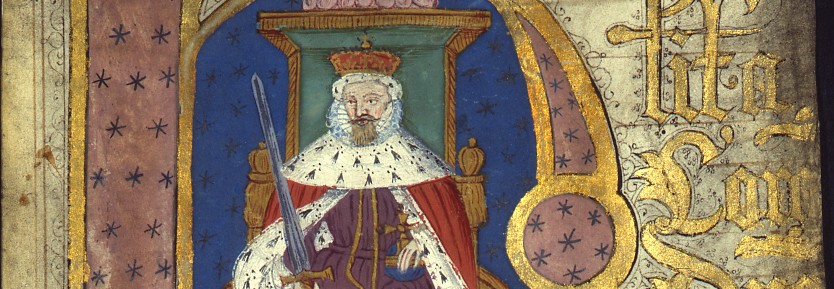
King James I of England, and VI of Scotland, ascended the throne in 1603 following the death of Elizabeth I. He inherited substantial debts from his predecessor, as well as a country that was still struggling with the religious divisions of the Reformation, and significant foreign policy issues. James’ reign has been characterised by historians as one of financial excess and religious tension, most dramatically illustrated by the 1605 Gunpowder Plot. His reign is also regarded as significant because it directly preceded that of Charles I and the subsequent outbreak of the Civil War in England, Scotland and Ireland.
This document collection demonstrates a range of important matters that James I had to contend with. Soon after becoming King of England, he faced complex foreign policy issues as war raged on in Europe. During his reign he made peace with Spain but later saw war with Bohemia. Again, the King’s lavish spending is highlighted in several sources as are the attempts by his Secretary of State, Robert Cecil, to control it. In many ways, James I faced no problem as difficult as trying to unite the kingdoms of England and Scotland. This resource includes several records which showcase the debates surroubnding his ultimately thwarted ambition to see the creation of a united ‘Britain’.
Religion was a key concern for James I as there were particular problems between Roman Catholics (or ‘popish recusants’) and Puritans (Protestants who wanted further reformation of the Church). Several of our documents shed light on these tensions; one, from the desk of England’s chief spymaster, recounts the story of an argument over religion that broke out in a pub. Also, while the Gunpowder Plot may probably be the best-known event of James’ reign, this resource illustrates another less well-remembered threat to the king, with sources relating to a conspiracy called the Bye Plot.
As King, James’ relationship with Parliament was critical, especially so as this broke down during his son’s reign. So, the collection shows records which expose the tensions between them, particularly over such issues as the Divine right and royal prerogative. The resource also includes a few sources from the start of Charles’ reign to reveal what happened when Charles I argued with Parliament, eventually with dramatic consequences.
Most of these sources come from The National Archives’ State Papers collection. That means that they were originally part of the private papers of the Secretary of State (the most important minister for the monarch). These papers represent what he collected, so some of the sources are ‘official’ proclamations or reports of events, whilst others are private letters he received and reports of local news that he must have intercepted. Some of the sources are printed but most were handwritten in a style known as ‘secretary hand’ that is quite different to the one we use today. All of the sources have had sections transcribed, but in some cases occasional words are missing thanks to illegible handwriting or damage the documents have suffered over the centuries.
The reign of James I is essential to understanding this period in history, and the breadth of key issues it encompasses and provides a wider context for the Civil Wars which followed. The collection demonstrates the complexity of issues, both religious and political, that James came up against when he came to the throne. It also highlights the wealth of information available within the state papers at The National Archives that shed light on the reign of this important monarch.
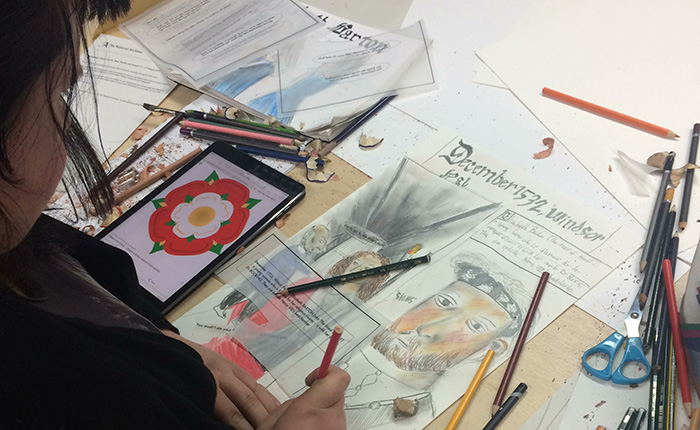
Each summer, The National Archives’ on site education team at Kew, London, offer young people in schools and colleges the chance to take part in a unique project that explores some of the hidden stories in our documents. Students carry out research, with support from our education team and record experts and work creatively with artists, writers or film makers as well as other students.
It’s a great opportunity to work with original sources; it’s also a chance to learn new skills, increase your subject knowledge in history and find out more about the role of The National Archives and the records we hold. The topics and the project outcomes are wide ranging, they have included film making, script writing, story boarding, painting and drawing so far.
Places are free, but are usually limited to a set number and involve an application process. Watch this space to see what is coming up and find out about past projects.
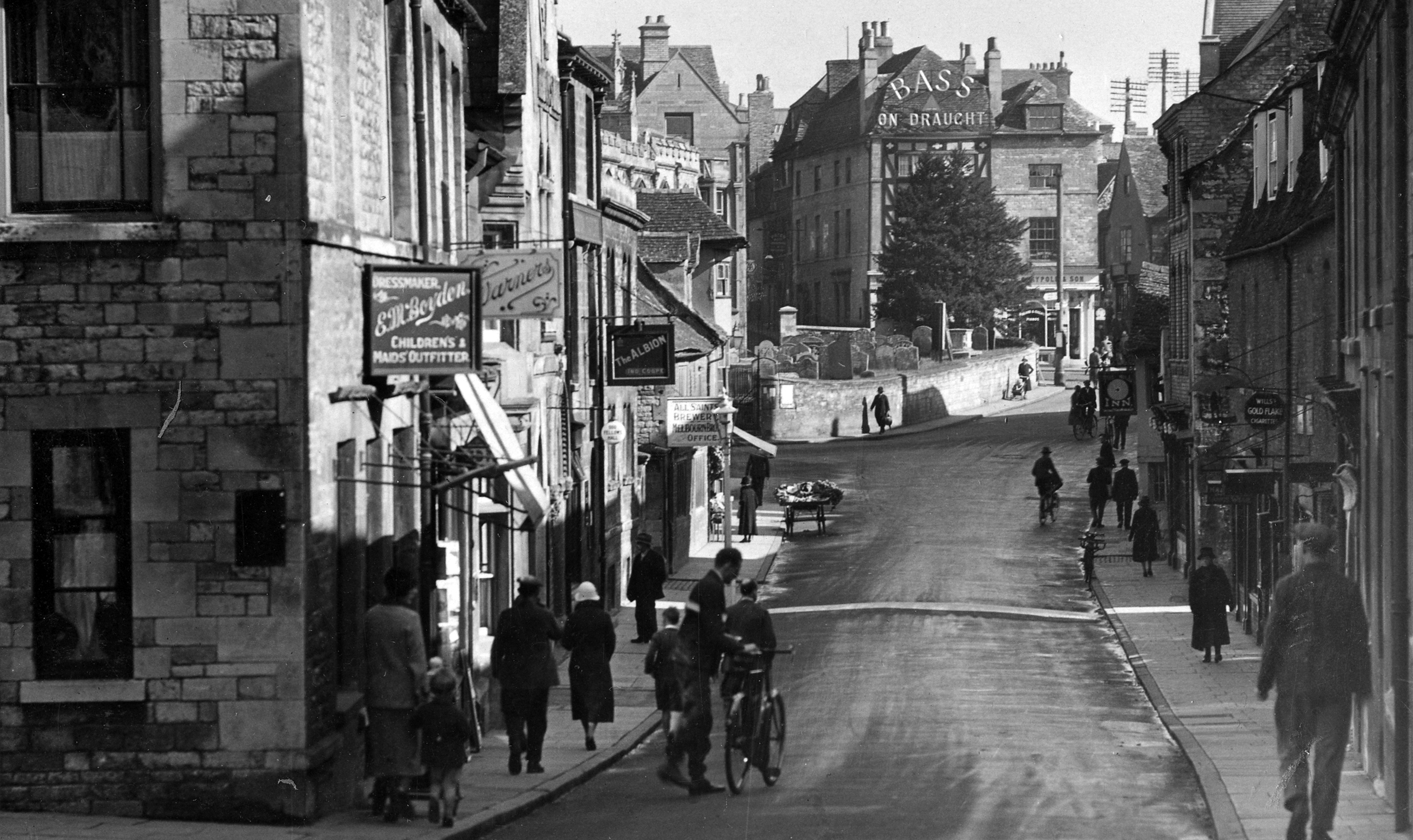 Using images for descriptive and narrative writing
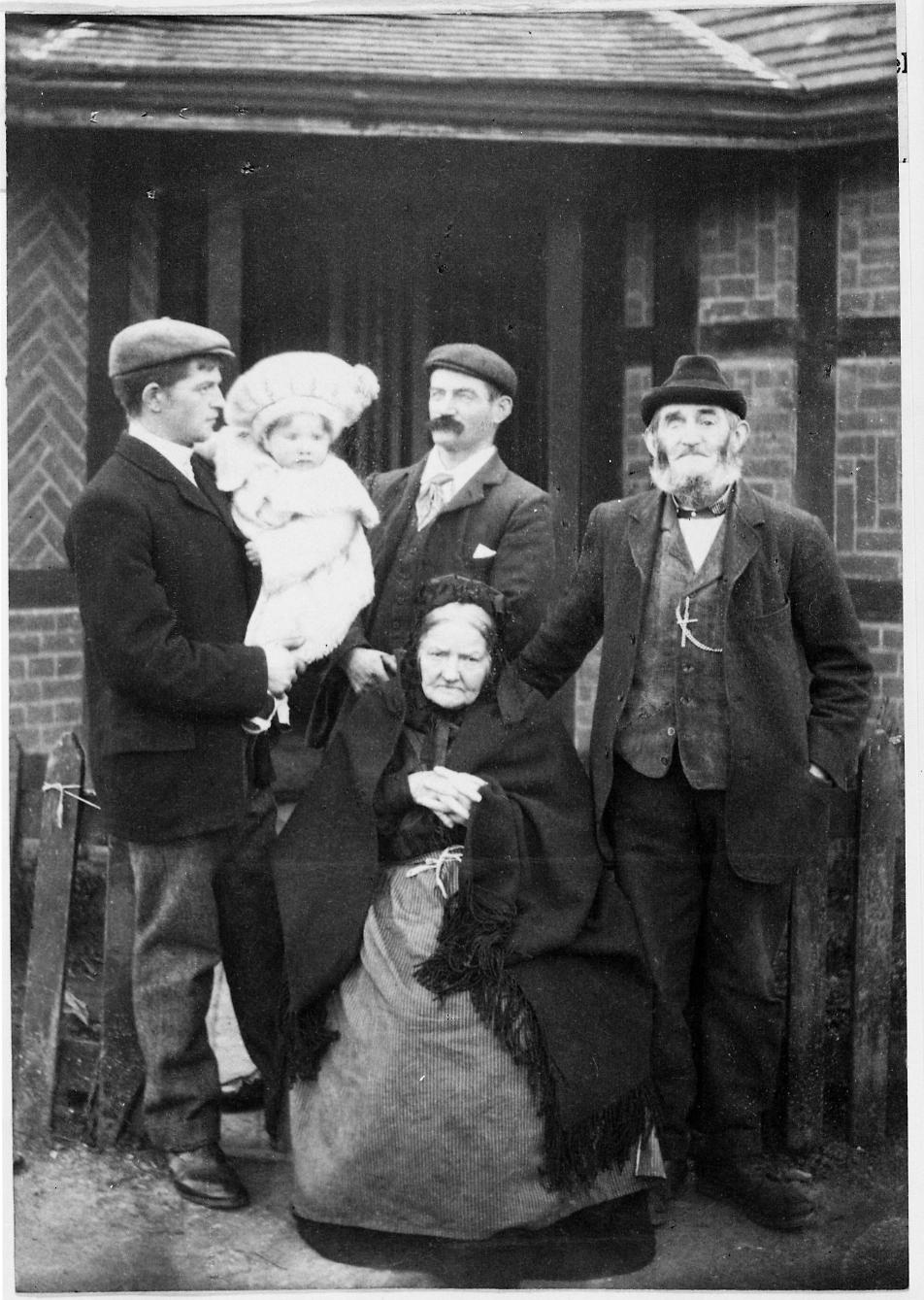 Using images for descriptive and narrative writing

In 2016, as part of our programme of events to commemorate the centenary of the First World War, a group of students aged 16 to 19 joined us at the National Archives to create a stop-motion animation film telling the stories of those who experienced the Battle of the Somme, as detailed in the records within our collection. The film won a MEDEA award for User Generated Media and is an excellent resource for use in classrooms to tell the tales of the Somme.
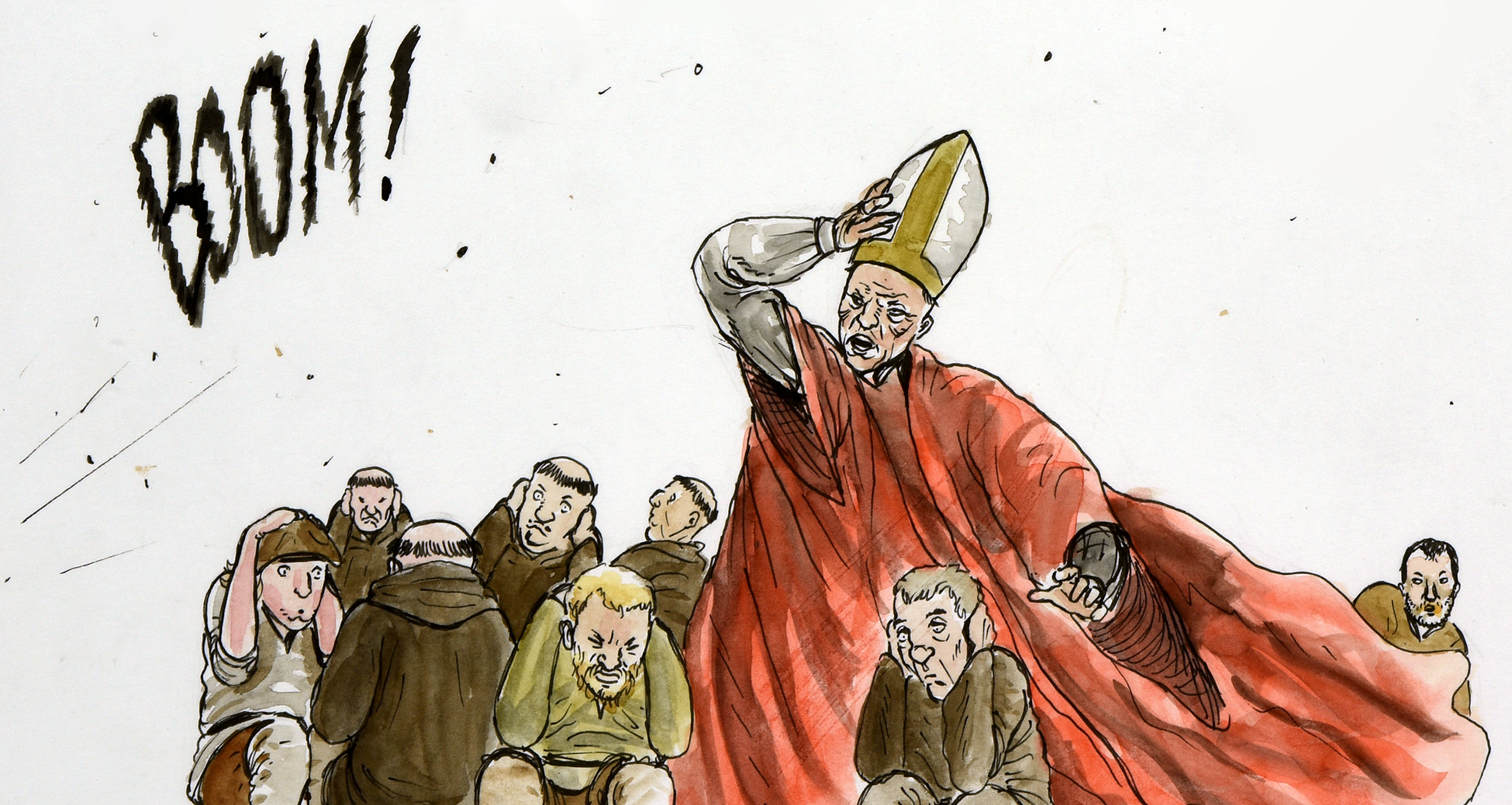
‘Chronicles of the Dissolution – Piety, Plunder and Protest’ is a graphic arts project illustrated by eight students who spent a week at The National Archives, illustrating their interpretations of Early Modern records from the State Papers of Henry VIII. The tales are told through the eyes of individual characters, from the lowliest carpenter to the ruthless commissioner. Together they give us a unique insight into the consequences which followed dissolution as a result of Henry VIII’s determination to reform the English Church.
Transcript and description of Chronicles of the Dissolution (PDF, 0.1MB)
High-resolution version of the eBook (PDF, 71MB)
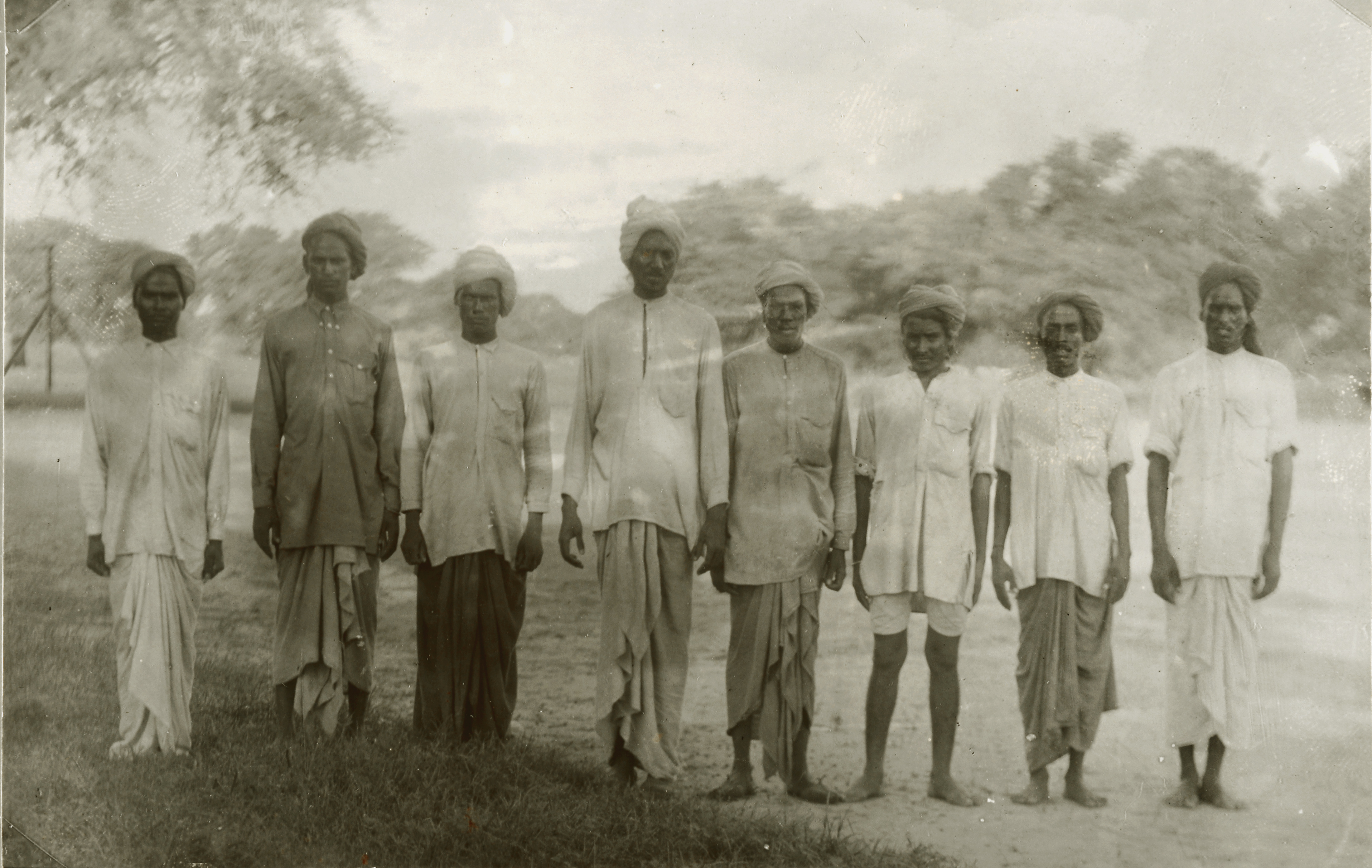 How did Indian soldiers respond to the First World War?
When war broke out in 1914, as part of the British Empire, India rallied to the support of Britain. Over 1.4 million Indian soldiers and non-combatants served in the war, including on the Western Front. Before 1914 a ‘colour bar’ to uphold British prestige was in force, preventing Indian troops from fighting against a ‘white’ enemy. In this context, the First World War marked a significant departure in imperial relations.
Recruited from the ‘martial races’ and trained in frontier warfare, the Indian Army – the largest volunteer force in the world – was in no sense a modern army prepared for the industrial warfare of the Western Front. How did they respond? Did they discharge their duties with their traditional fighting qualities and loyalty or were there dissenting voices? What led to dissent and how widespread was it?
About 138,600 Indian soldiers saw action on the Western Front. They took part in major battles at Ypres, La Bassée, Festubert, Neuve Chapelle, Loos, Somme and Cambrai. They suffered heavy casualties, fought with courage and won eight Victoria Crosses on the Western Front out of a total of 11 awarded during the First World War. Sir Walter Lawrence (Commissioner for the Welfare of Indian troops) concluded: ‘it was a bold experiment to bring them to Europe … it seems to have succeeded.’ However, some British Army Officers considered the Indian Corps to be a failure.
Indian soldiers themselves took pride fighting in a ‘white man’s war’ to prove themselves equal. Their letters show genuine expressions of loyalty and prayers for British victory. For Indian soldiers family honour and ‘izzat‘ was bound up with military tradition. Despite this, their letters also reveal some expressions of dissent. As war dragged on and casualty figures mounted, some felt that Indians were used as cannon fodder. They urged potential recruits not to enlist for service in Europe. When the wounded were sent back to the trenches this caused much unhappiness as this was seen as non-contractual and there were petitions about this, even to the King. Their rate of pay, 11 Rupees per month, became another reason for discontent and was raised to 20 Rupees by the last years of the War. Lack of leave caused homesickness, leading some to feign illness or use Indian herbs to induce sores. However, from the evidence it is clear that desertions were few, dissent never became mass rebellion and recruitment in India was not affected. Even when the most important Muslim state, Turkey, became an ally of Germany, British Muslim soldiers stayed loyal to the Empire and disregarded German propaganda.
To secure their collaboration, the imperial state manipulated traditional Indian soldierly qualities for King and Empire. This is also evident in Europe from official pronouncements praising their gallantry, the organisation of hospitals on caste and religious principles, and the setting up of a burial ground for Muslims near the Woking Mosque while Sikhs and Hindus were cremated at Patcham (in contravention of the 1902 Cremation Act). But there was a limit to how far British prestige could be compromised, even for political reasons.
The years before 1914 had witnessed unrest both in India and among Indians in Europe and the USA. In 1907, Madame Cama had unfurled the tricolour at a Socialist Conference in Germany while Madan Lal Dhingra assassinated Sir Curzon Wylie in London. Although Indians enthusiastically pledged support for the war, pockets of radicals caused anxiety: it was feared that seditious literature would be smuggled into Europe to undermine the loyalty of the troops. A special Censor’s Office was set up at Boulogne to monitor morale and check for letters and literature showing signs of dissent. Radicals in the USA, like Har Dyal and the Ghadar Party, were kept under strict surveillance. They aimed to stir up Indian soldiers against the British with their publications, fiercely critical of British rule. The actual amount of seditious literature proved to be negligible and the Indians remained loyal.
Concepts of loyalty and dissent are complex issues as these documents reveal. Wilfred Owen and Siegfried Sassoon’s First World War poems are a case in point.
The First World War marked a turning point in imperial relations. It was accepted that the Indian army needed reforms. Did the Indian contribution in the war hasten the process of decolonisation? There is no easy answer. The Montague-Chelmsford reforms fell far short of expectations. The Rowlatt Acts of 1919, the massacre at Amritsar and martial law brought repression rather than the promised reforms. However, the soldiers’ experience of Western society widened their horizons and created new aspirations.
Rozina Visram
Author of ‘Ayahs, Lascars and Princes: Indians in Britain 1700-1947’ (1986)
and ‘Asians in Britain: 400 Years of History’ (2002)
Glossary
India or Indians: this term is used to refer to British India (1858-1947), comprising present day India, Pakistan, Bangladesh and Burma.
‘Martial Races’: Based on the theory of ‘martial races’ the Indian Army, recruited from the peasant classes, was drawn from a narrow ethnic and geographical pool mainly from northern and central India, the North-West Frontier Province and Nepal. These ethnic groups were considered to be ‘naturally more warlike’. The theory of ‘martial races’ raised their profile as the ‘chosen warriors’ leading them to enlist with enthusiasm.
Izzat: honour, prestige or absence of shame.
Cannon fodder: belief that certain groups of soldiers were used more than others in battle; in this case Indian soldiers felt that they were sent to the trenches ahead of the white soldiers.
Tricolour: Literally three colours. In this context the colours were green, yellow and red, the proposed Indian national flag.
Montague-Chelmsford reforms: 1917-18. The reforms outlined proposals for an increased representation of Indians in the Government of India.
Rowlatt Acts: 1919. Named after the High Court Judge, the Act gave the police wide powers to decide which offences amounted to a conspiracy against the Government. It also provided for speedy trials, not by a jury, but by special tribunals. Those suspected were denied representation by a lawyer; there was no right of appeal.
Amritsar Massacre: 1919. A peaceful, unarmed crowd of men, women and children, gathered for a protest meeting at Jalianwala Bagh were fired upon by the order of the military commander, General Dyer. 379 died and 1,200 were wounded. Ironically Amristar province had contributed the highest number of men for the First World War.
Cremation Act 1902: By this Act cremation could only take place in a crematorium of which notice had been given to the Secretary of State.
Additional Notes
Madame Cama: Bhikaji Rustom Cama was influenced by the India House Revolutionary Movement based in Highgate, London. She settled in Paris after 1909 and edited the newspaper, ‘Bande Mataram’ (Hail Motherland). See The British Library, IOR: POS 6052, History Sheet of Madame Bhikaji Cama.
Madan Lal Dhingra: See The National Archives References: CRIM/1/113/1 and CRIM 10/99.
Further Reading
Rozina Visram: Ayahs, Lascars and Princes: Indians in Britain (Pluto Press, 1986; Routledge Revivals, 2016) Chapter 6 (Soldiers of the Empire in two World Wars).
Santanu Das: 1914-1918 Indians on the Western Front (Gallimard, 2014)
David Omissi: Indian Voices of the Great War Soldiers’ Letters, 1914-18 (Macmillan. 1999)

The confession of Rudolf Höss, commandant of Auschwitz and Auschwitz-Birkenau (catalogue reference: WO 309/217)
Transcript
Statement made voluntarily at Gaol by Rudolf HOESS former commandant of Auschwitz Concentration Camp on 16th day of March 1946
I personally arranged on orders received from Himmler in May 1941 the gassing of two million persons between June/July 1941 and the end of 1943 during which time I was commandant of Auschwitz.
Signed
Rudolf Höss
SS-Ostubaf
Fr. Cdt. R. Auschwitz-Birkenau
Witnessed
This 16th day of March 1946 at (-) Gaol, Girmany
Countersigned : – J. [unknown]