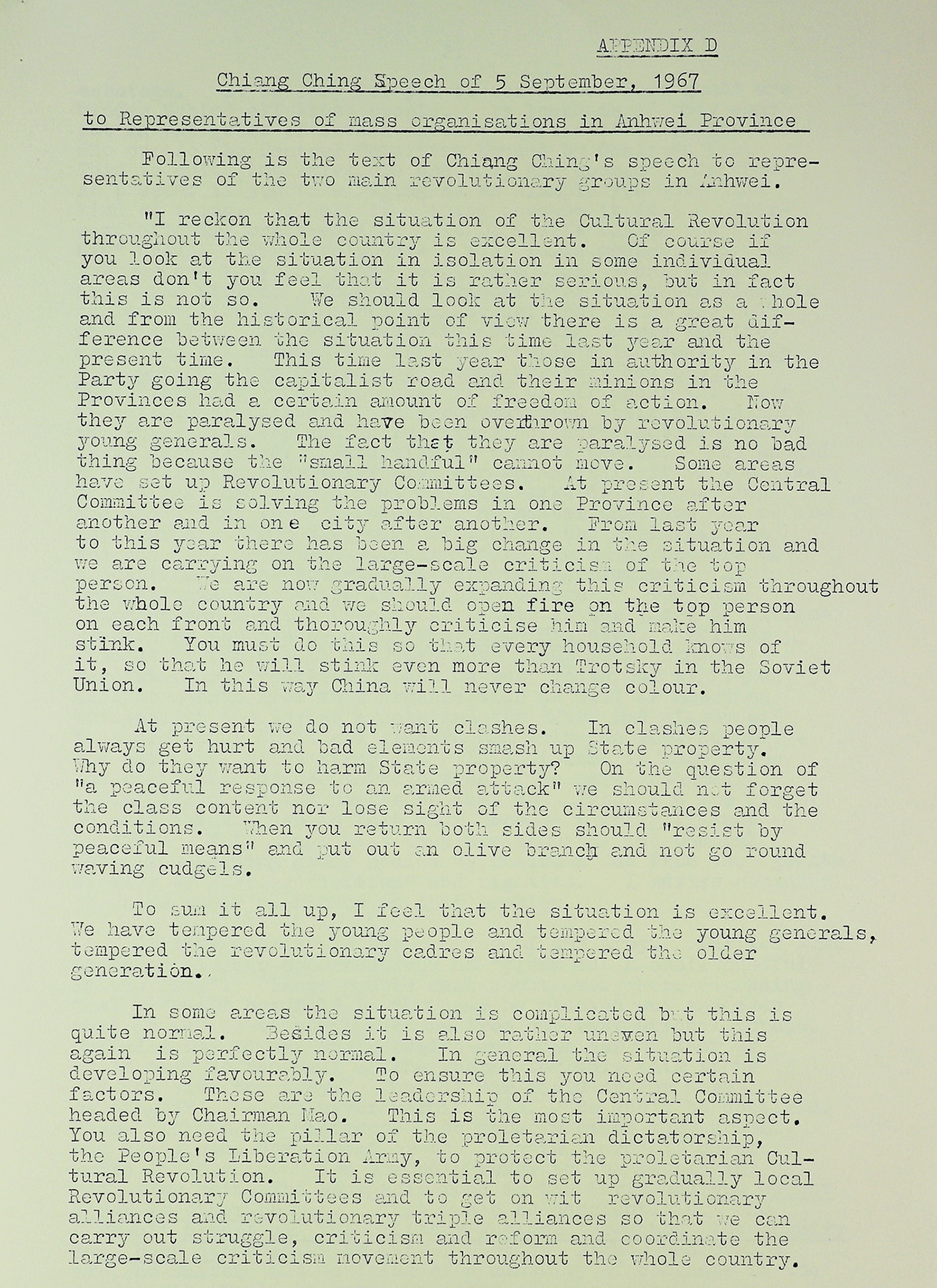
Extract from a speech given by Jiang Qing (here anglicised as Chiang Ching), wife of Mao and deputy director of the Central Cultural Revolution Group, to two revolutionary groups in Anhui. 5 September, 1967. Catalogue ref: FO 1110/2319
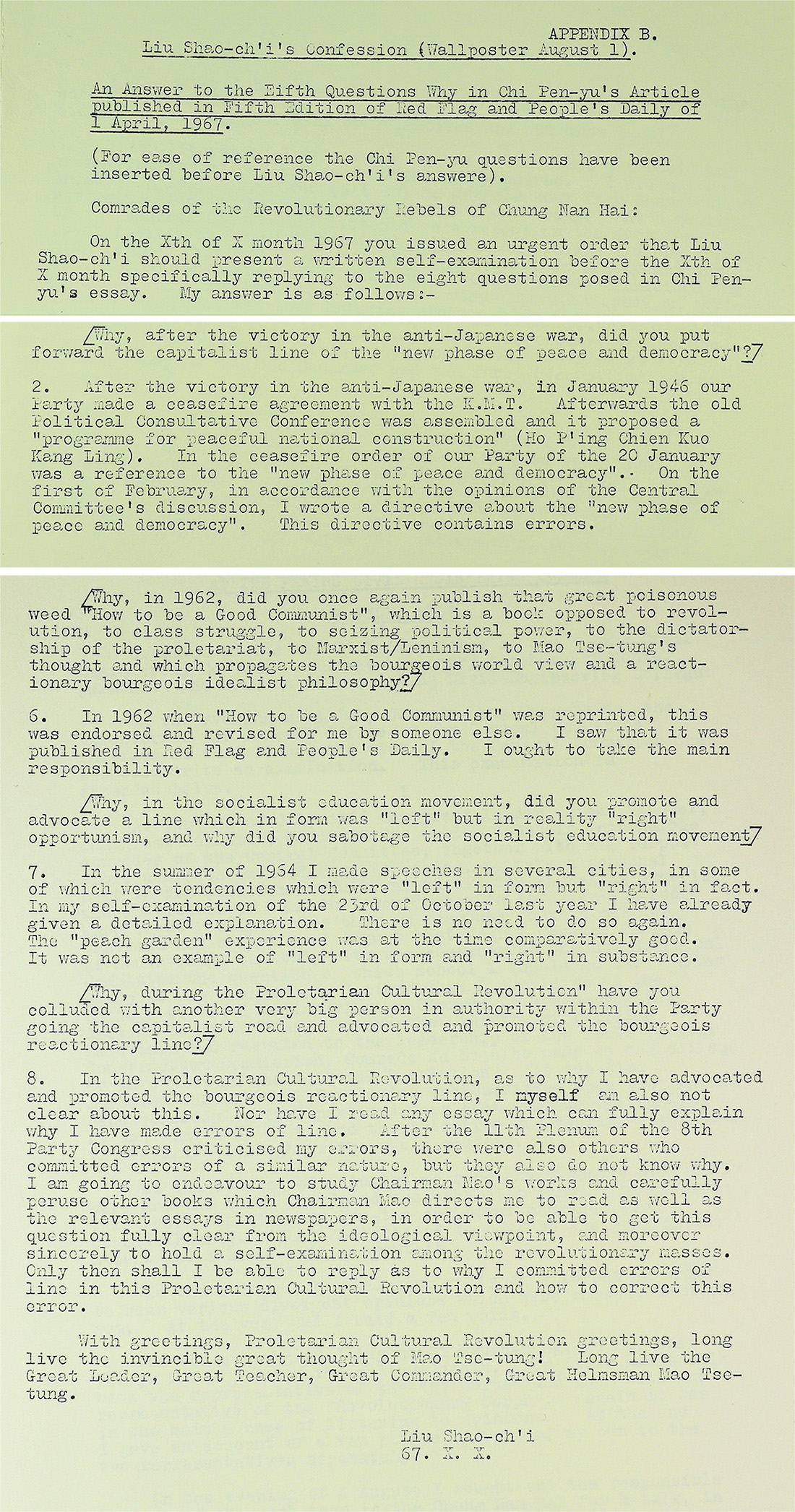
This is a report of the confession of President Liu Shaoqi, the former second-in-command of the Chinese Communist Party who has been targeted by the Cultural Revolution. Catalogue ref: FO 1110/2319
Liu Shaoqi (here anglicised as Liu Shao-ch’i) was head of state from 1959 to 1968 and was named Mao’s successor in 1961. However, he began clashing with Mao during the 1960s, especially with economic issues, criticising Mao’s Great Leap Forward. As part of an internal power struggle, he was labelled a traitor to the revolution and was placed under house arrest in 1967. In 1968, he was expelled from the CCP. He died in prison in 1969.
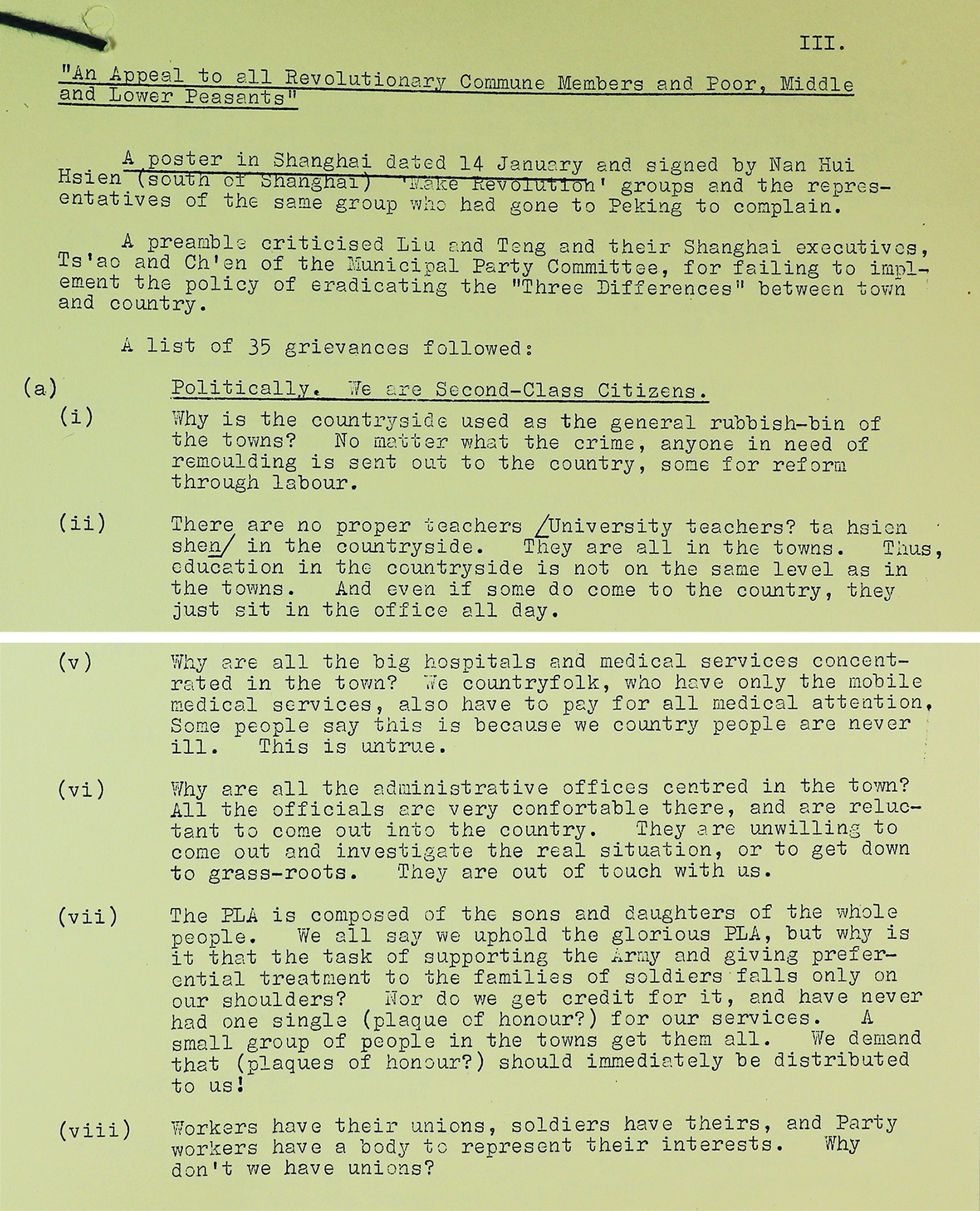
“An Appeal to all Revolutionary Commune Members and Poor, Middle and Lower Peasants” poster, 14 January 1967. Catalogue ref: FO 1110/2317
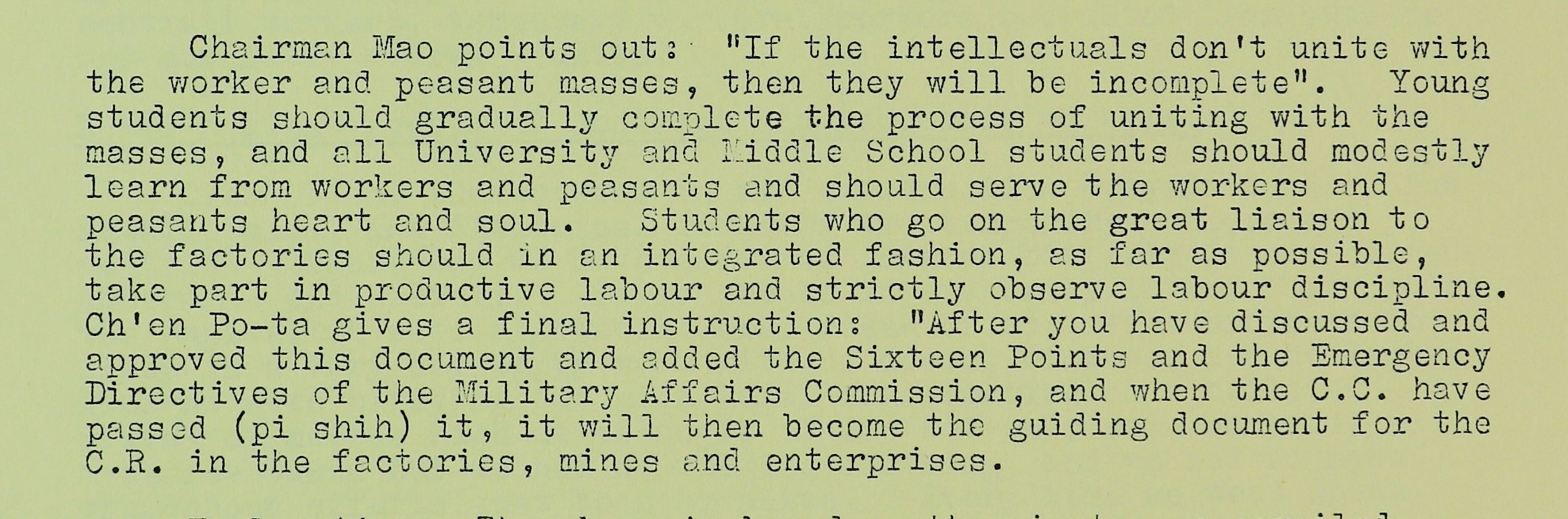
Extract from minutes from a meeting held with the Cultural Revolution Group and Red Flag fighters on 17 November 1966. Catalogue ref: FO 1110/2317
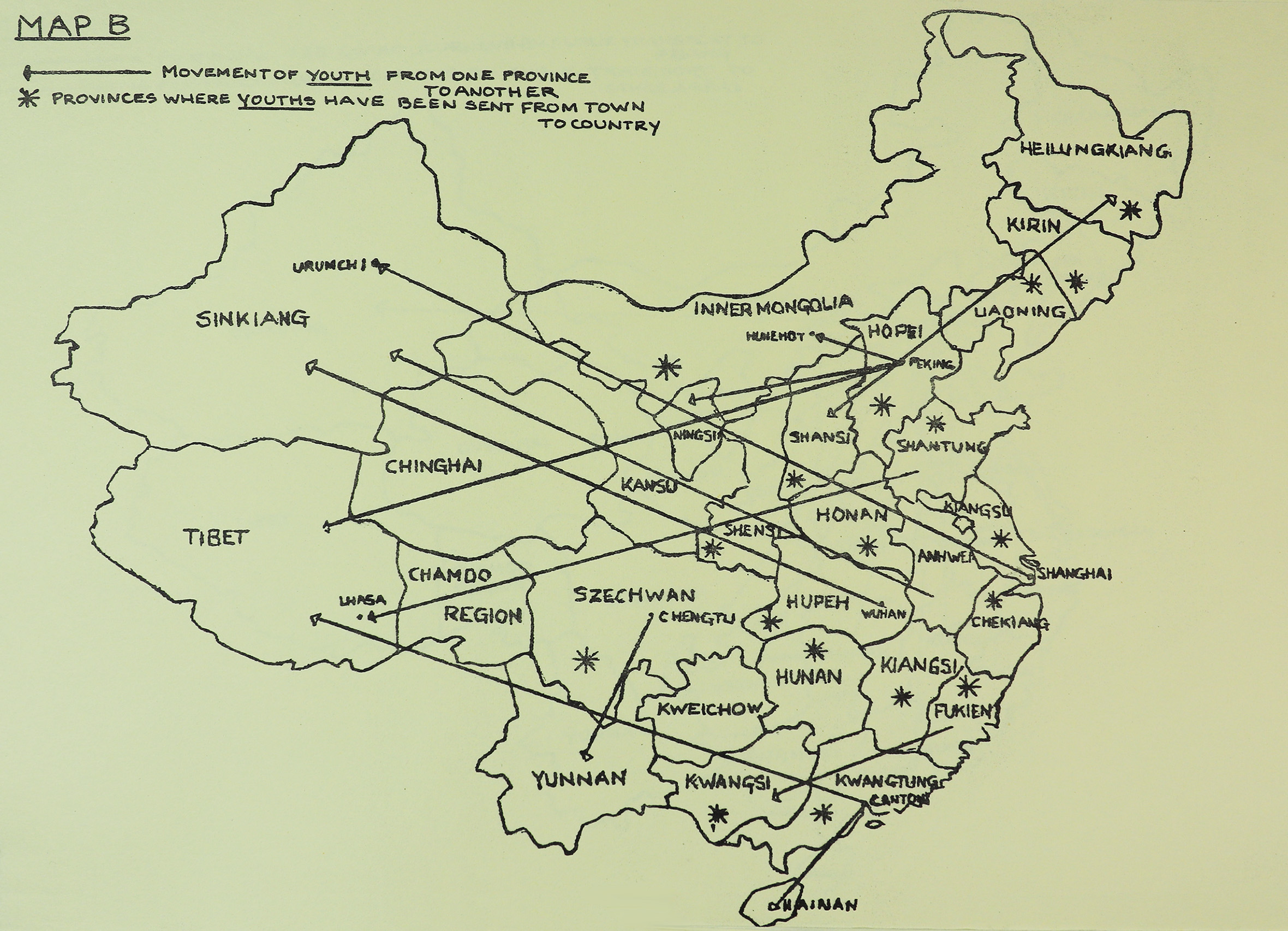
Map showing movement of youths between provinces and from town to country. Published as part of a report to the British Foreign and Commonwealth Office titled ‘Movement of Population in China’, published September 1967. Catalogue ref: FO 1110/2318
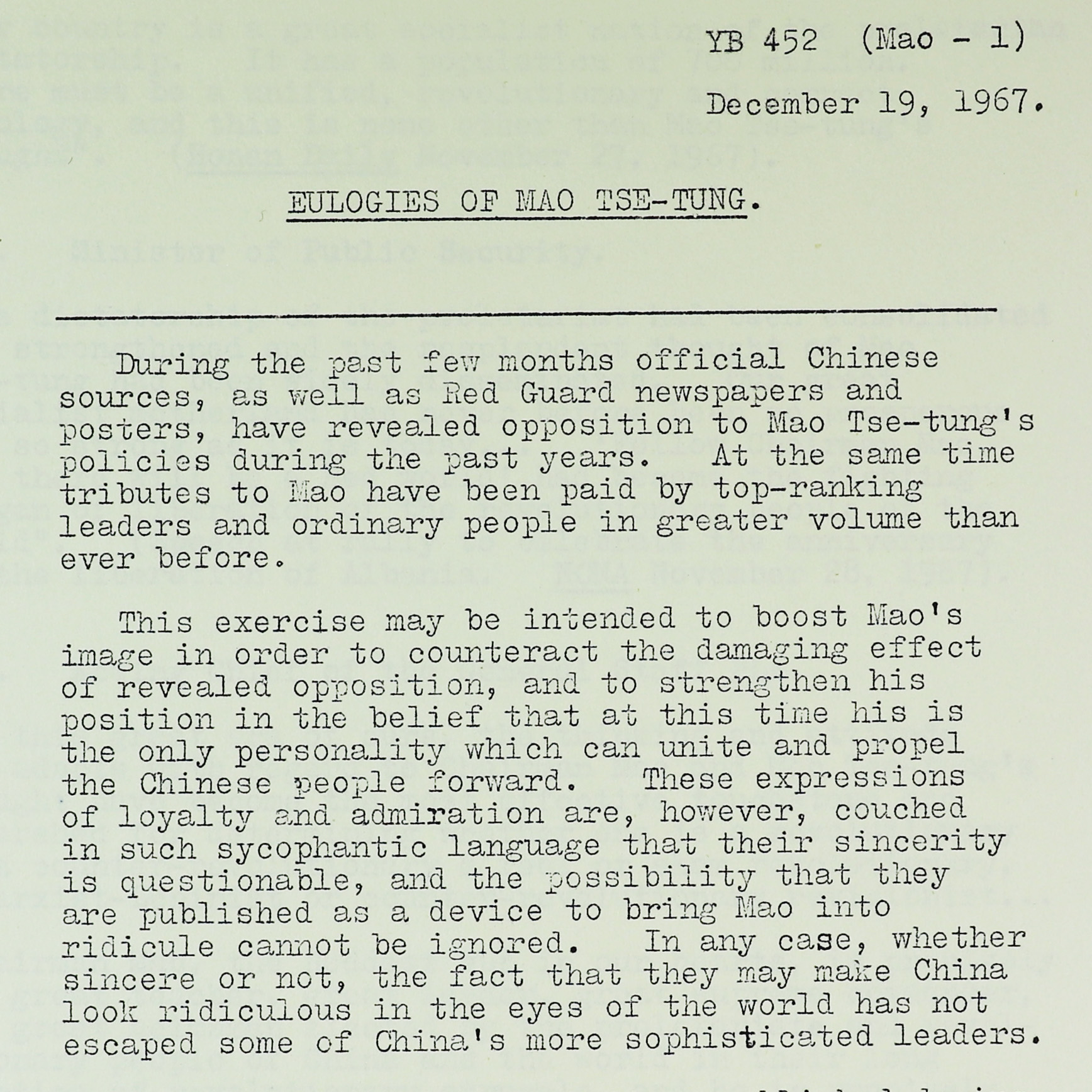
Introduction from report titled ‘Eulogies of Mao Tse-Tung’, published 19 December 1967. This is a selection of quotations compiled over the previous six months by British officials, taken from various sources. Catalogue ref: FO 1110/2319
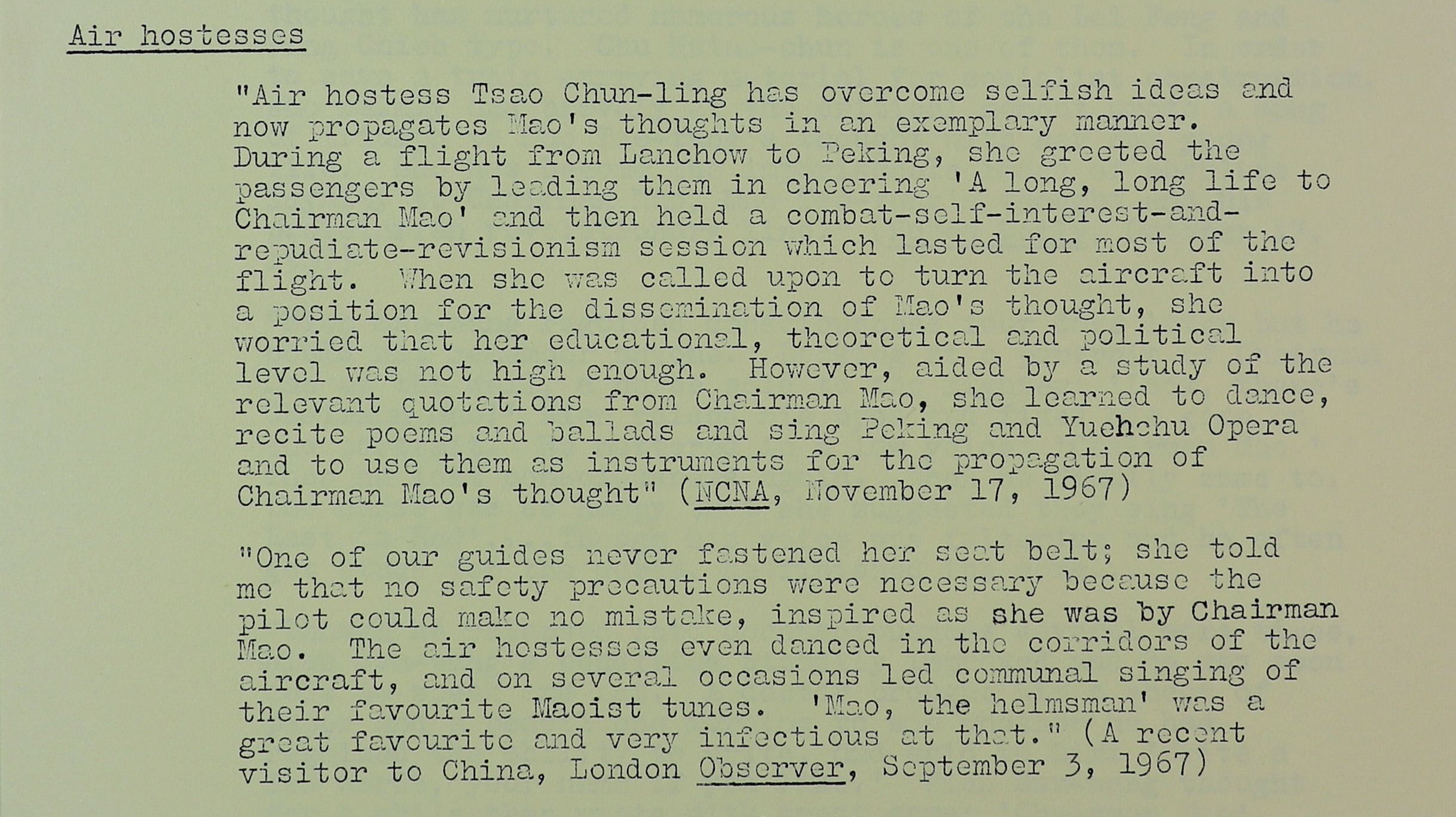
Extract from report titled ‘Eulogies of Mao Tse-Tung’, published 19 December 1967. This is a selection of quotations compiled over the previous six months by British officials, taken from various sources. Catalogue ref: FO 1110/2319
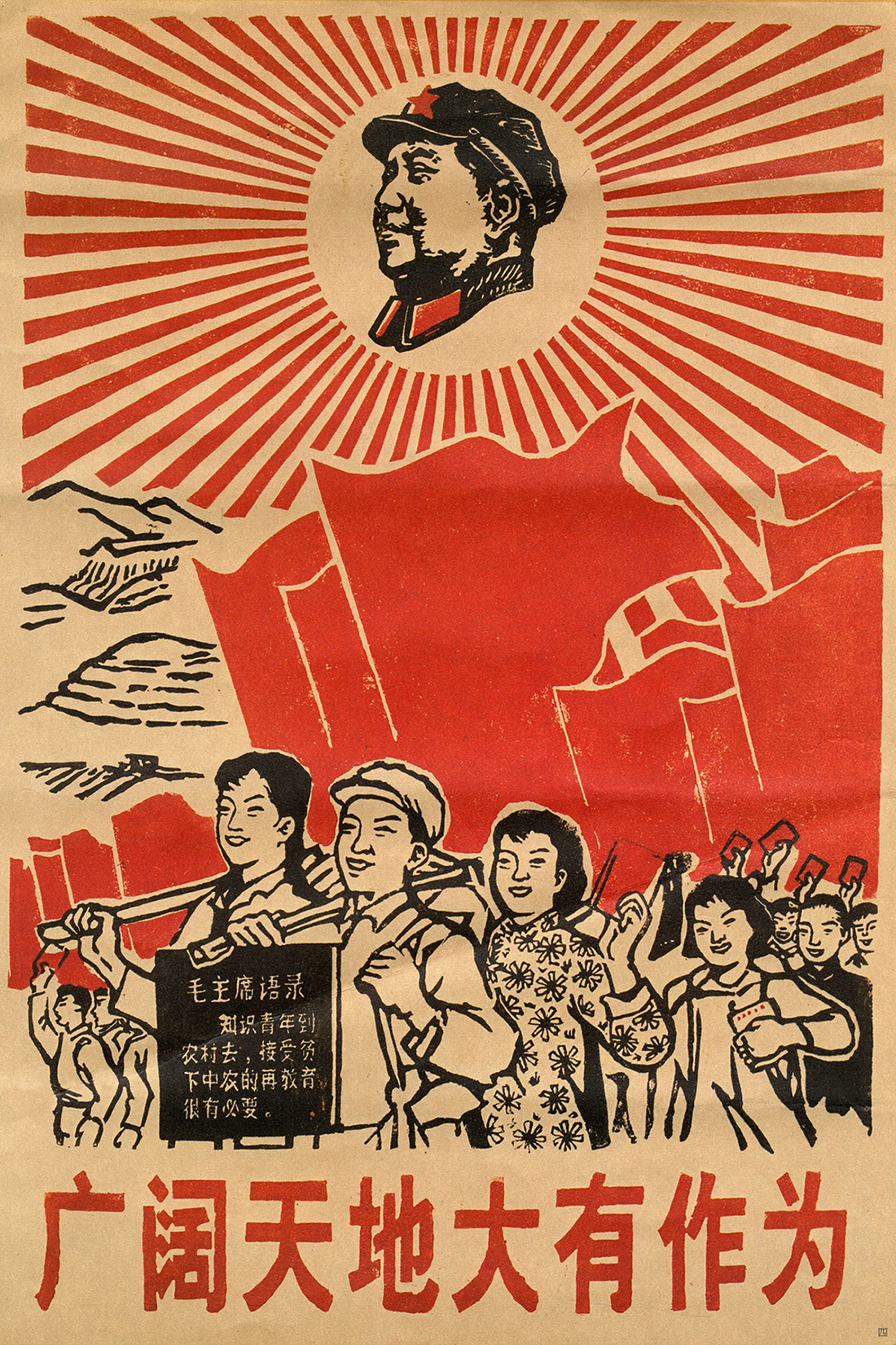
Cultural Revolution poster from the People’s Republic of China. Chronicle / Alamy Stock Photo
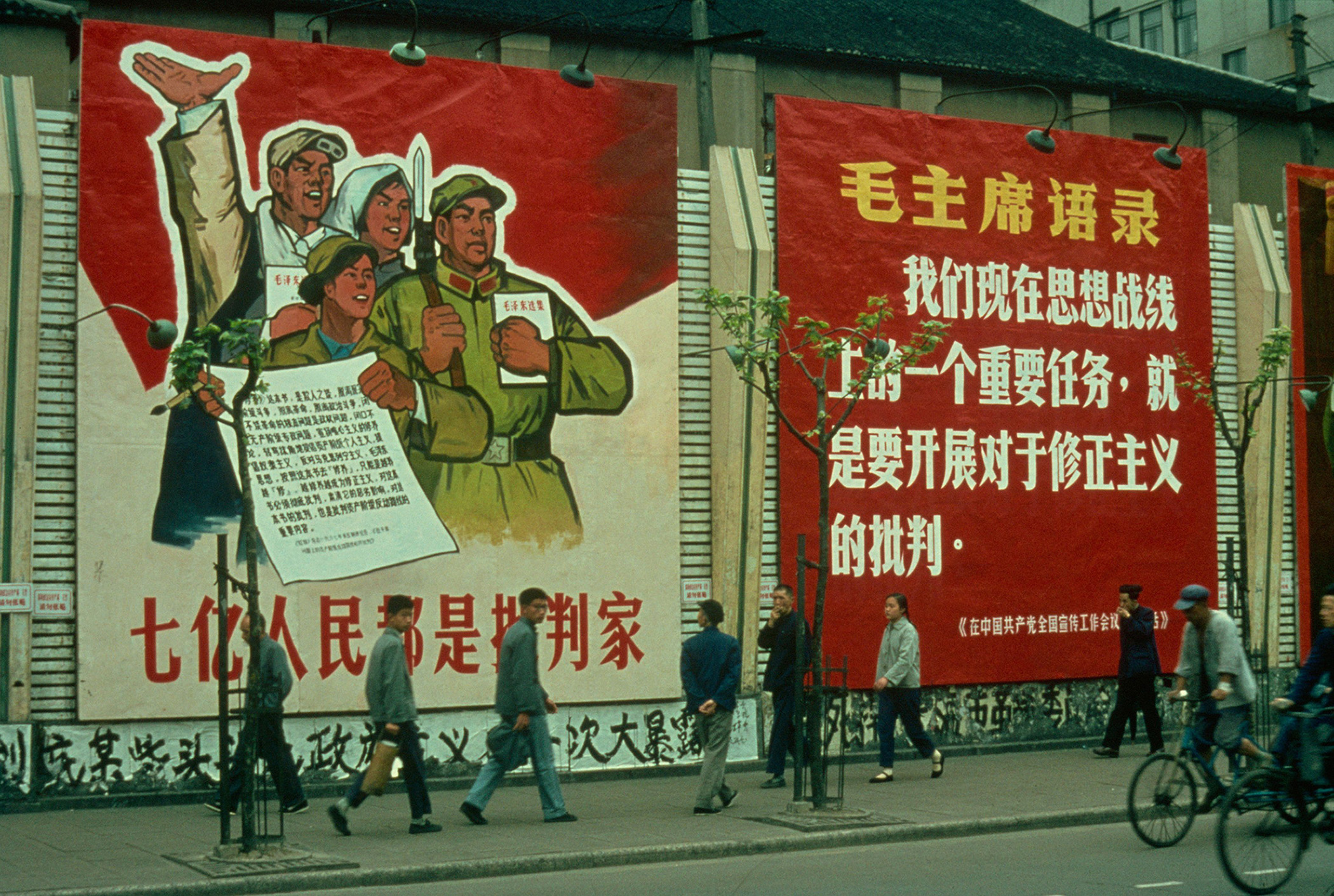
Photograph taken of posters along the Nanking Road during the Cultural Revolution in 1967, Shanghai, China. robertharding / Alamy Stock Photo
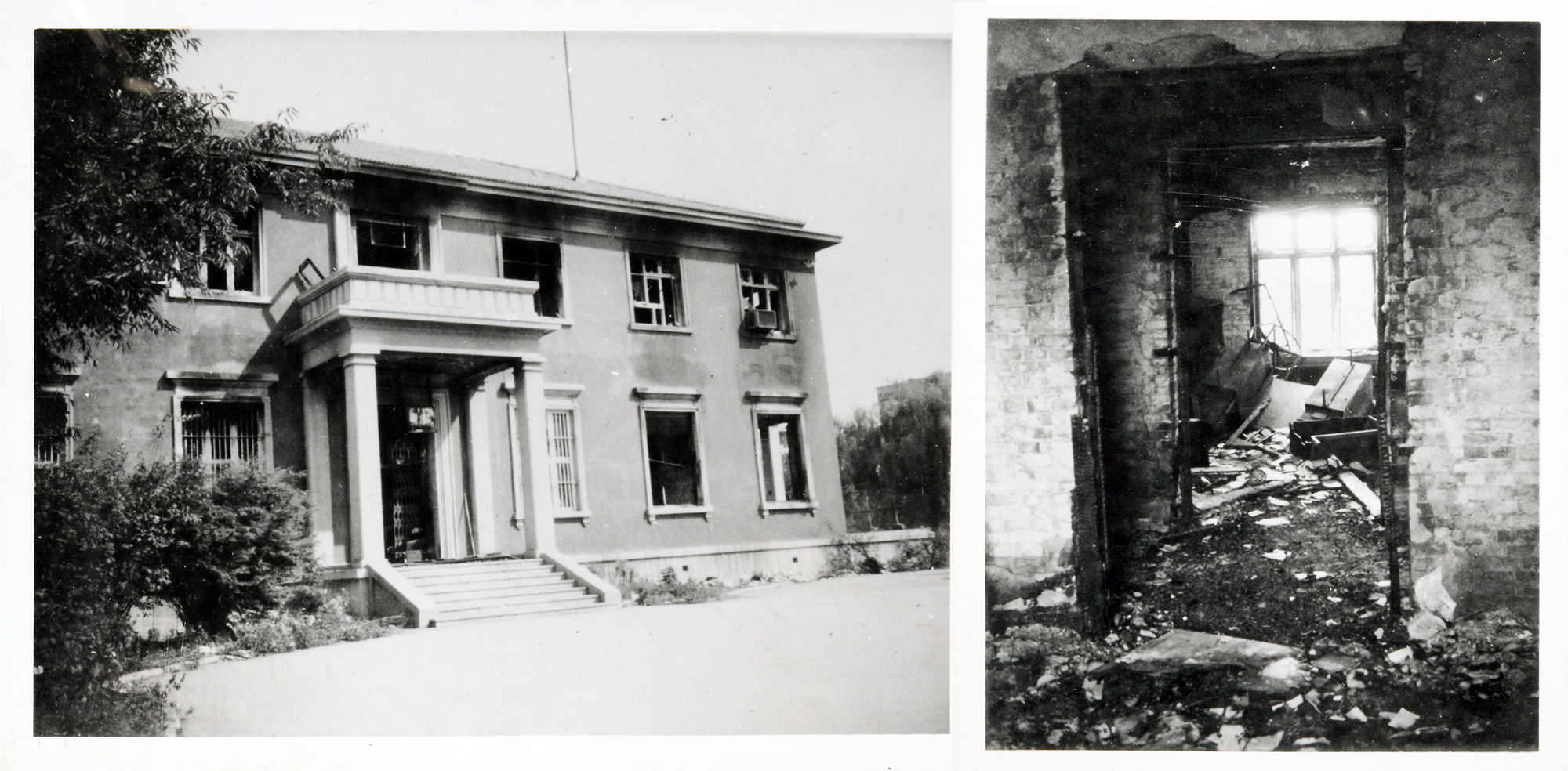
Photos of the aftermath of the burning of the British Legation in Beijing by Red Guards, 23 August 1967. Catalogue ref: FCO 78/13 (10)
In August 1967, the British Legation in Beijing – the precursor to the British embassy – was stormed by an angry crowd. Crowds had been gathering regularly outside of the compound with messages opposing British imperialism. During this time, Britain still held on to the colony of Hong Kong, which had been ceded by China in the 19th century (learn more in our lesson on Hong Kong and the Opium Wars). In 1967, Hong Kong was rocked by anti-government protests, which the British government had been suppressing through mass arrests and newspaper shutdowns. On August 20 1967, the crowd outside the legation issued an ultimatum for the British government in Hong Kong to release detained Chinese journalists.
Two days later, a crowd of thousands stormed the legation. They set fire to the cars outside and smashed furniture and windows. The staff inside, sustaining injuries from the crowd but no casualties, were eventually able to escape with the help of the People’s Liberation Army.