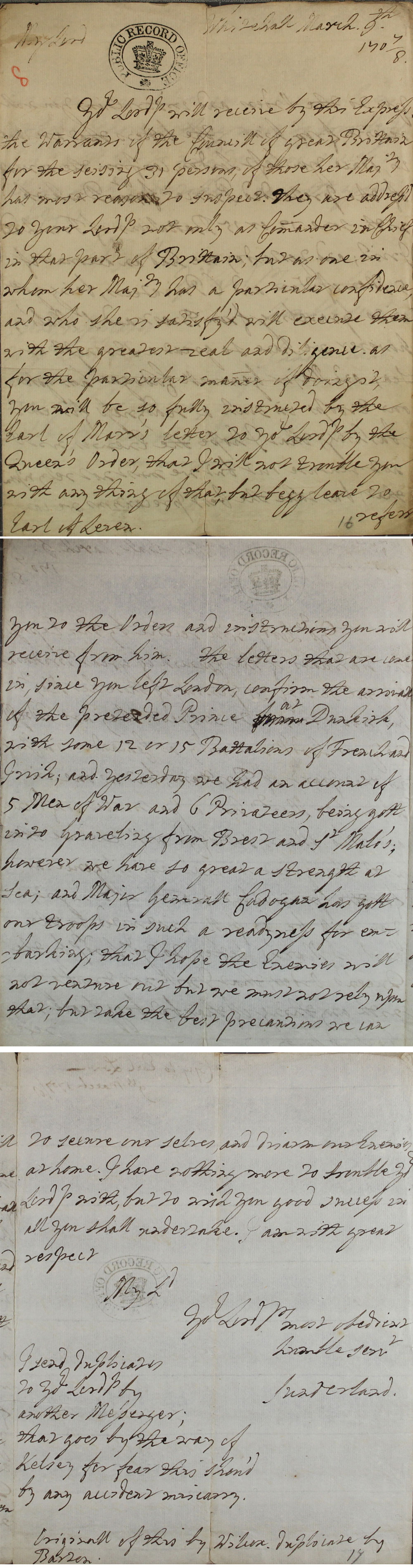
Letter from Earl of Sutherland to Earl of Leven. Earl Sutherland was a Scottish nobleman, army officer and a privy councilor to Queen Anne in 1703. Earl Leven was appointed as one of the Commissioners for the Union of England and Scotland, and a strong supporter of William of Orange and his invasion in 1688. The letter suggests that the ‘Old Pretender’, Charles Francis Edward is getting ready for an invasion with men and ships, but the English are prepared. 9 March 1708 (SP 54/3 f.8).
Transcript
Whitehall, March 9th 1708
My Lord
Your Lordship will receive by this Express the Warrants [orders] of the Council of Great Britain [advisers to the crown] for the seizing 31 persons, of those her Majesty has most reasons to suspect. They are address’d to your Lordship not only as Comander in Chief in the part of Britain; but as one in whom Her Majesty has a particular confidence, and who she is satisfied will execute them with the greatest zeal and diligence [care] as for the particular maner of [doingst] you will be so fully instructed [aware] by the Earl Of Marr’s letter to your Lordship by the Queen’s Order that I will not trouble you with anything if that, but begg leave to referr
you to the Order and instructions you will receive from him. The letters that are come in, since you left London, confirm the arrival of the Pretended Prince [“Old Pretender”] at Dunkirk with some 12 or 15 Battalions of French and Irish, and yesterday we had an account of 5 Men of War [warships] and 6 Privateers [privately owned ships used to fight] being got to Gravelines from Brest and San Malo’s, however we have so great a strength at sea; and Major Generall Cadogan has got our troops in such readyness for embarking, that I hope the Enemies will not venture out but we must not rely upon that but take the best precautions we can
To secure our selves, and disarm our enemies at home. I have nothing more
to trouble your lordship with, but to wish you good success in all you
should undertake. I am with great respect
My Lord
Your Lordship’s most obedient humble servant, Sutherland
I send Instructions to your Lordship by another Messenger that goes by the way of Kelsey for fear this by any accident miscarry. [He is sending this letter with another messenger by another route to be on the safe side].
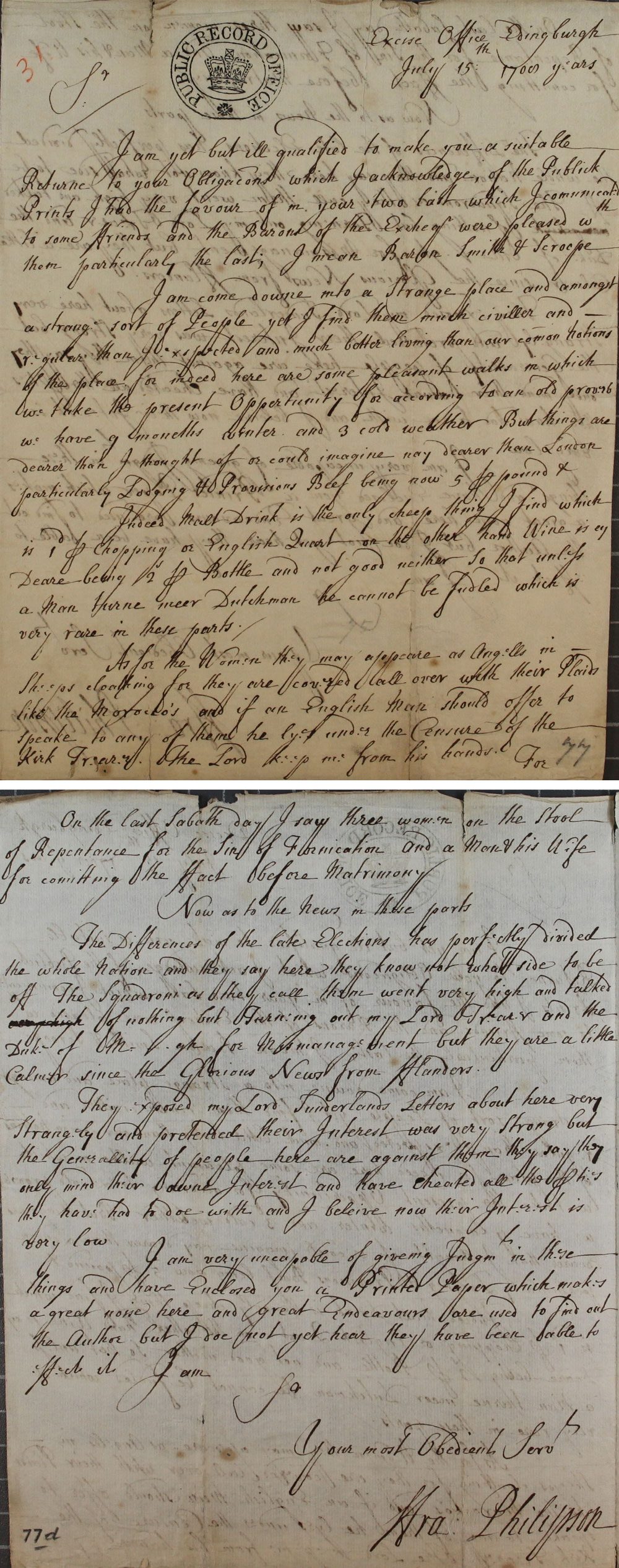
A tax official, Francis Philipson, describes in a letter his impressions of Scotland after taking up his new job. He comments on the people, standard of living and politics. July 15 1708 (SP 54/3/31).
Transcript
Excise Office Edingburgh [Edinburgh]
July 15th 1708
Sir,
I am yet but ill qualified to make you a suitable Returne to your Obligations which I acknowledge, of the Publick Prints I had the favour of in your two last which I communicated to some friends and the Barons of the Exchequer were pleased with them particularly the last; I mean Baron Smith & Scroope.
I came down into a strange place and amongst a strange sort of People yet I find them much civiller [respectful] and- regular [normal] than I expected and much better living than our comon [common] notions [ideas] of the place for indeed here are some pleasant walks in which we take the present Opportunity for according to an old proverb we have 9 months winter and 3 cold weather. But things are dearer than I thought of or could imagine nay dearer than London particularly Lodging & Provisions [food], Beef being now 5d [pennies] per pound & Indeed Malt drink [Scotch whisky] is the only cheep thing I find which is 1d [penny] per chopping [measure] or English Quart [1litre nearly] , on the other hand Wine is very Deare being 2s [shillings] per bottle and not that good neither so that unless a man turne meer Dutchman [becomes a Dutchman] he cannot be fudled [get drunk] which is very rare in these parts.
As for the Women they may appeare as Angells [angels] in sheeps clothing for they are covered all over with their Plaids [tartan clothing] like the Morocco’s and if an English man should offer to speake to any of them he lys [lies] under the Censure [criticism] of the Kirk [Scottish Church] Treasurer. The Lord keep me from his hands. For On the last Sabath [Sunday] day I saw three women on the stool of Repentance [chair for punishment, a known as a cucking stool for women which could be used with or without water, unlike the ducking stool where a person was dipped in water] for the sin of Fornication [sleeping with someone outside marriage] and a man & his wife for committing the fact before Matrimony.
Now as to the News in these parts.
The Differences of the late Elections has perfectly divided the whole Nation and they say here they know not what side to be off. The Squadroni [an independent political group in the Scottish Parliament] as they call them went very high and talked of nothing but Turning out my Lord Treasurer and the Duke of M……gh [Marlborough] for his management but they are a little calmer since the Glorious news from Flanders.
They exposed my Lord Sunderlands’ Letters about here very strangely and pretended their Interest was very strong but the Generality [majority] of people here are against them they say they only mind their own Interest and have cheated all thoughts they have had to doe with and I believe now their Interest is very low.
I am very incapable [not able] of giving Judgm[ent] in these things and have enclosed you a Printed Paper which makes a great noise [big influence] here and great Endeavours [efforts] are used to find out the Author but I do not hear they have been able to effect it [find out]. I am yrs,
Your most obedient Servant,
Ffra.[ Francis] Philipson

Poetry shaped by wartime experience.
This resource has been archived as the interactive parts no longer work. You can still use the rest of it for information, tasks or research. Please note that it has not been updated since its creation in 2009.
Go to Focus on Isaac Rosenberg
You can find more content on this topic in our other resources:
Lessons
- Great War soldier’s record
What can we find out? - General Haig
Butcher of the Somme or hero of Amiens? - Walter Tull
How can we use sources to find out about him?
Themed collections
- Letters from the First World War, part one
How did these men experience the conflict? (1915) - Letters from the First World War, part two
How did these men experience the conflict? (1916 – 18)
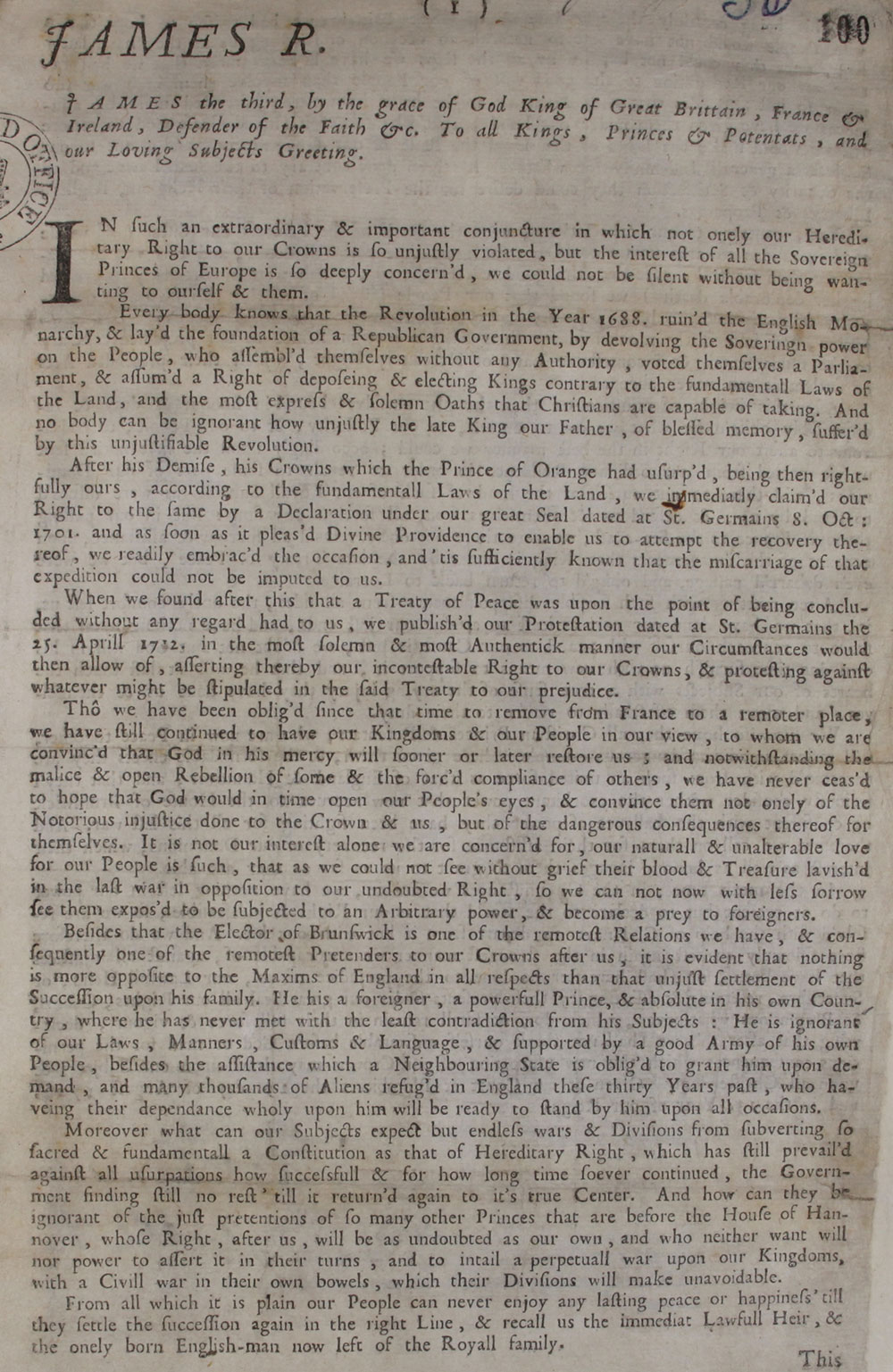
A handbill from James III, James Francis Edward, ‘The Old Pretender’ son of James II of England, August 1714 (SP 35/1/f30). James III explains how the Stuarts have been excluded from the succession. He says there can be no peace until the rightful heir of the kingdom is restored.
Transcript
JAMES R.
JAMES the third, by the grace of God King of Great Brittain, France & Ireland, Defender of the Faith &c. To all Kings, Princes & Potentats [rulers], and our Loving Subjects Greeting.
In such an extraordinary & important conjuncture [situation] in which not onely [only] our Hereditary Right [right to the throne] to our Crowns is so unjustly violated [disregarded], but the interest of all the Sovereign [royal] Princes of Europe is so deeply concern’d, we could not be silent without being wanting to ourself & them.
Every body knows that the Revolution in the Year 1688. ruin’d the English Monarchy, & lay’d the foundation of a Republican [rule without a King] Government, by devolving [passing] the Soveringn [royal] power on the People, who assembl’d themselves without any Authority, voted themselves a Parliament, & assum’d themselves without any Authority, voted themselves a Parliament, & assum’d a Right of deposeing & electing Kings contrary to the fundamentall [original] Laws of the Land, and the most express & solemn Oaths that Christians are capable of taking. And no body can be ignorant how unjustly the late King our Father [James II], of blessed memory, suffer’d by this unjustifiable Revolution [called the Glorious Revolution, 1688 William invaded and ruled with his wife Mary II until 1694.]
After his Demise [death], his Crowns which the Prince of Orange [William III of England & Ireland] had usurp’d [unjustly taken], being them rightfully ours, according to the fundamentall Laws of the Land, we immediately claim’d our Right to the same by a Declaration under our great Seal dated at St. Germains 8. Oct: 1701. And as soon as it pleas’d Divine Providence [God’s will] to enable us to attempt the recovery thereof, we readily embrac’d the occasion [took action], and ‘tis sufficiently known that the miscarriage [failure] of that expedition could not be imputed [related] to us.
When we found after this that a Treaty of Peace was upon the point of being concluded without any regard had to us, we publish’d our Protestation dated at St. Germains the 25. Aprill 1712 in the most solemn & most Authentick [genuine] manner our Circumstances would then allow of, alerting thereby our incontestable [unquestionable] Right to our Crowns, & protecting against whatever might be stipulated [set down] in the said Treaty to our prejudice [against us].
Tho’ we might have been oblig’d since that time to remove [travel] from France to a remoter place, we have still continued to have our Kingdoms & our People in our view, to whom we are convinc’d that God in his mercy will sooner or later restore us; and notwithstanding the malice [evil] & open Rebellion of some & the forc’d compliance [consent] of others, we have never ceas’d to hope that God would in time open our People’s eyes, & convince them not onely of the Notorious [wicked] injustice done to the Crown & us, but of the dangerous consequences thereof for themselves. It is not our interest alone we are concern’d for, our naturall & unalterable love for our People is such, that as we could not see without grief their blood & Treasure lavish’d in the last war in opposition to our undoubted Right, so we cannot now with less sorrow see them expos’d to be subjected to an Arbitrary [unreasonable] power, & become a prey to foreigners.
Besides that the Elector of Brunswick [George I, the nearest heir to Queen Anne] is one of the remotest Relations we have, & consequently one of the remotest Pretenders to our Crowns after us, it is evident that nothing is more opposite to the Maxims of England in all respects than that unjust settlement of the Succession upon his family. He is a foreigner, a powerful Prince, & absolute in his own Country, where he has never met with the least contradiction from his subjects: He is ignorant of our Laws, Manners, Customs & Language, & supported by a good Army of his own People, besides the assistance which a Neighbouring State is oblig’d to grant him upon demand, and many thousands of Aliens refug’d in England these thirty years past, who haveing their dependence wholly upon him will be ready to stand by him upon all occasions.
Moreover what can our Subjects expect but endless wars & Divisions from subverting [overthrowing] so sacred & fundamentall a Constitution as that of Hereditary Right, which has still prevail’d against all usurpations how successful & for how long time so ever continued, the Government finding still no rest ‘till it return’d again to it’s true Center. And how can they be ignorant of the just pretentions of so many other Princes that are before the House of Hannover, whose Right, after us, will be undoubted as your own, and who neither want will nor power to assert it in their turns, and to intail [result] a perpetuall war upon our Kingdoms, with a Civill war in their own bowels, which their Divisions will make unavoidable.
From all which it is plain our People can never enjoy any lasting peace or happiness’ till they settle the succession again in the right Line, & recall us the immediate Lawfull Heir, & the onely born English-man now left of the Royall family.
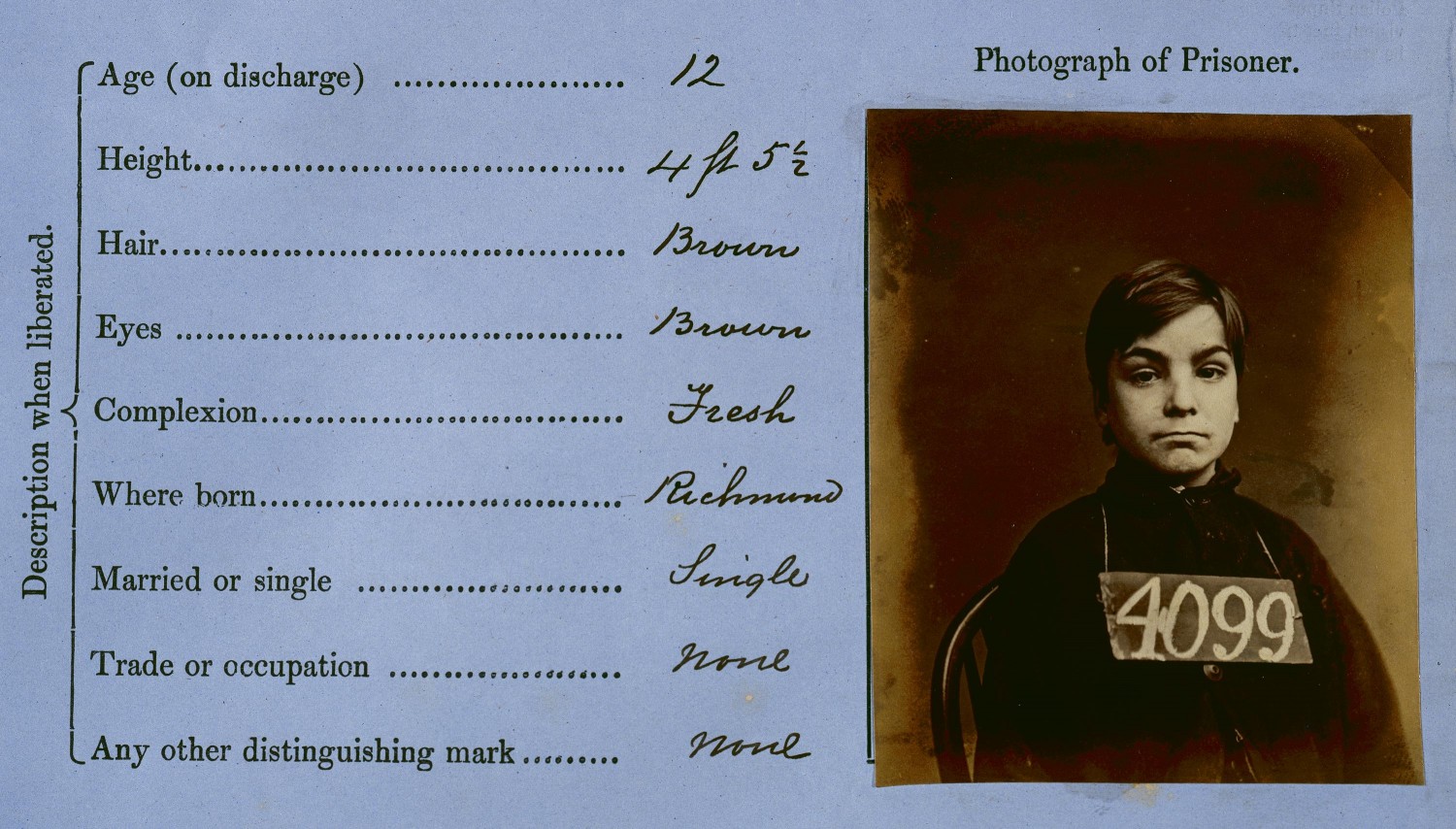
What was life like for young offenders in the 19th century?
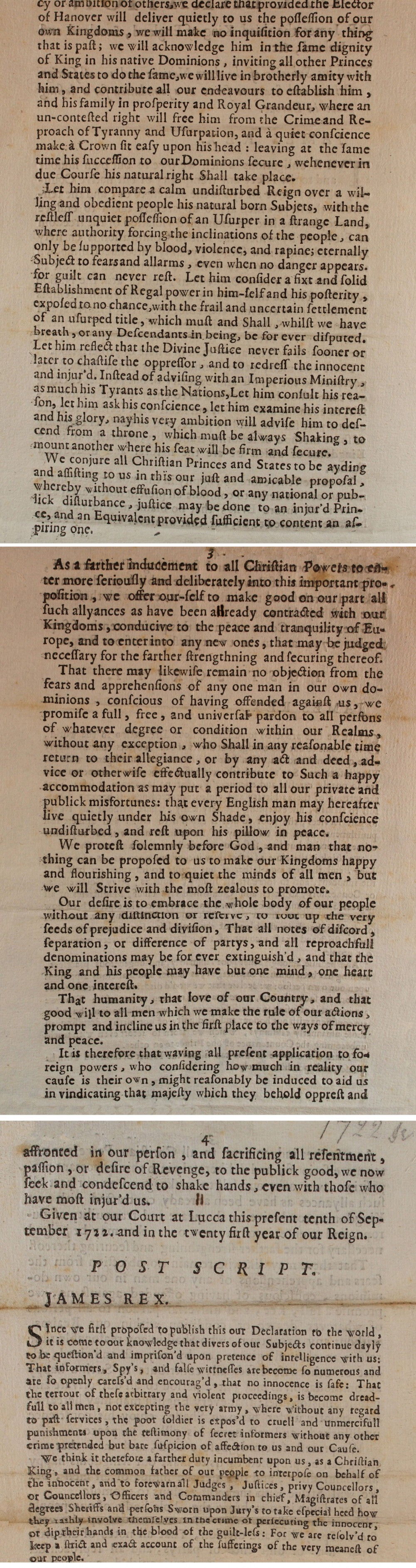
Extracts from a Jacobite Manifesto, dated at Lucca, Italy, 10 September 1722. This is a Jacobite call for George I, the Elector of Hanover to give up the throne of England and Scotland to its rightful king, James Francis Edward, the son of James VII and II and request for other countries to help. (SP 35/33 f.28).
Transcript
…we declare that provided the Elector of Hanover will deliver quietly to us the possession of our own Kingdoms, we will make no inquisition [investigation] for anything that is past; we will acknowledge [give] him in the same dignity [respect] of King in his native [own] Dominions [country], inviting all other Princes and States to do the same, we will live in brotherly amity [friendship] with him, and contribute all our endeavours [efforts] to establish him, and his family in prosperity and Royal Grandeur, where an un-contested right will free him from the Crime and Reproach of Tyranny [criticize him as an absolute ruler] and Usurpation [stealing the throne], and a quiet conscience make a Crown fit easy upon his head: leaving at the same time his succession to our Dominions [lands] secure, [whenever] in due Course his natural right Shall take place.
Let him compare a calm undisturbed Reign over a willing and obedient people his natural born Subjects, with the restless unquiet possession of an Usurper in a strange Land, where authority forcing the inclinations [against the wishes] of the people, can only be supported by blood, violence, and rapine; eternally Subject to fears and allarms, even when no danger appears, for guilt can never rest. Let him consider a fixt and solid Establishment of Regal power in him-self and his posterity, exposed to no chance, with the frail and uncertain settlement of an usurped title, which must and Shall, whilst we have breath, or any Descendants in being, be for ever disputed. Let him reflect that the Divine Justice never fails sooner or later to chastise [punish those who do wrong] the oppressor, and to redress the innocent and injur’d. Instead of advising with an Imperious Ministry, as much his Tyrants as the Nations, Let him consult his reason, let him ask his conscience, let him examine his interest and his glory, nay his very ambition will advise him to descend [give up the throne] from a throne, which must be always Shaking, to mount another where his feat will be firm and secure.
We conjure [encourage] all Christian Princes and States to be aiding and assisting to us in this just and amicable [peaceful] proposal, whereby without effusion of blood [bloodshed], or any national or publick disturbance, justice may be done to an injur’d Prince, and an Equivalent [justice] provided sufficient to content an aspiring [hopeful] one.
As a further inducement [encouragement] to all Christian Powers to enter more furiously and deliberately into this important proposition, we offer our-self to make good on our part all such alliances as have been allready contracted with our Kingdoms, conducive [useful] to the peace and tranquillity of Europe, and to enter into any new ones, that may be judged necessary for the farther strengthening and securing thereof.
That there may likewise remain no objection from the fears and apprehensions [worries] of any one man in our own dominions, conscious of having offended against us, we promise a full, free, and universal pardon to all persons of whatever degree or condition within our Realms, without any exception, who Shall in an reasonable time return to their allegiance, or by any act and deed, advice or otherwise effectively contribute to Such a happy accommodation as may put a period to all our private and publick misfortunes: that every English man may hereafter live quietly under his own Shade, enjoy his conscience undisturbed, and rest upon his pillow in peace.
We protest [declare] solemnly before God, and man that nothing can be proposed to us to make our Kingdoms happy and flourishing, and to quiet the minds of all men, but we will Strive with the most zealous to promote.
Our desire is to embrace the whole body of our people without any distinction or reserve, to root up the very seeds of prejudice and division, That all notes of discord [troubled times], separation, or difference of partys [different political groups], and all reproachfull denominations [shameful groups of people or churches] may be for ever extinguished [got rid of], and that the King and his people may have but one mind, one heart and one interest.
That humanity, that love of our Country, and that good will to all men which we make the rule of our actions, prompt and incline us in the first place to the ways of mercy and peace. It is therefore that waving all present application to foreign powers, who considering how much in reality our cause is their own, might reasonably be induced to aid us in vindicating [defending] that majesty [king] which they behold [see] opprest [oppressed] and Affronted [insulted] in our person, and sacrificing all resentment, passion, or desire of Revenge, to the publick good, we now seek and condescend to shake hands, even with those who have most injur’d us.
Given at our Court at Lucca this present tenth of September 1722, and in the twenty first year of our Reign.
POST SCRIPT
JAMES REX
Since we first proposed to publish this our Declaration to the world, it is come to our knowledge that divers [several] of our Subjects continue dayly to be question’d and imprison’d upon pretence of intelligence with us: That informers, Spy’s, and false witnesses are become so numerous and are so openly caress’d and encourag’d, that no innocence is safe: That the terror of these arbitrary [unreasonable] and violent proceedings, is become dreadfull to all men, not excepting the very army, where without any regard to past services, the poor soldier is expos’d to cruell and unmercifull punishments upon the testimony [statements] of secret informers [spies] without any other crime pretended but bare suspicion of affection to us and our Cause [soldiers being punished because they are sympathetic to the Jacobite cause].
We think it therefore a farther duty incumbent upon us, as a Christian King, and the common father of our people to interpose on behalf of the innocent, and to forewarn all Judges, Justices, privy Councellors, or Councellors, Officers, and Commanders in chief, Magistrates of all degrees Sheriffs and persons Sworn upon Jury’s to take especial heed how they rashly involve themselves in the crime of persecuting the innocent, or dip their hands in the blood of the guilt-less: For we are resolv’d to keep a strict and exact account of the sufferings of the very meanest [poorest] of our people.
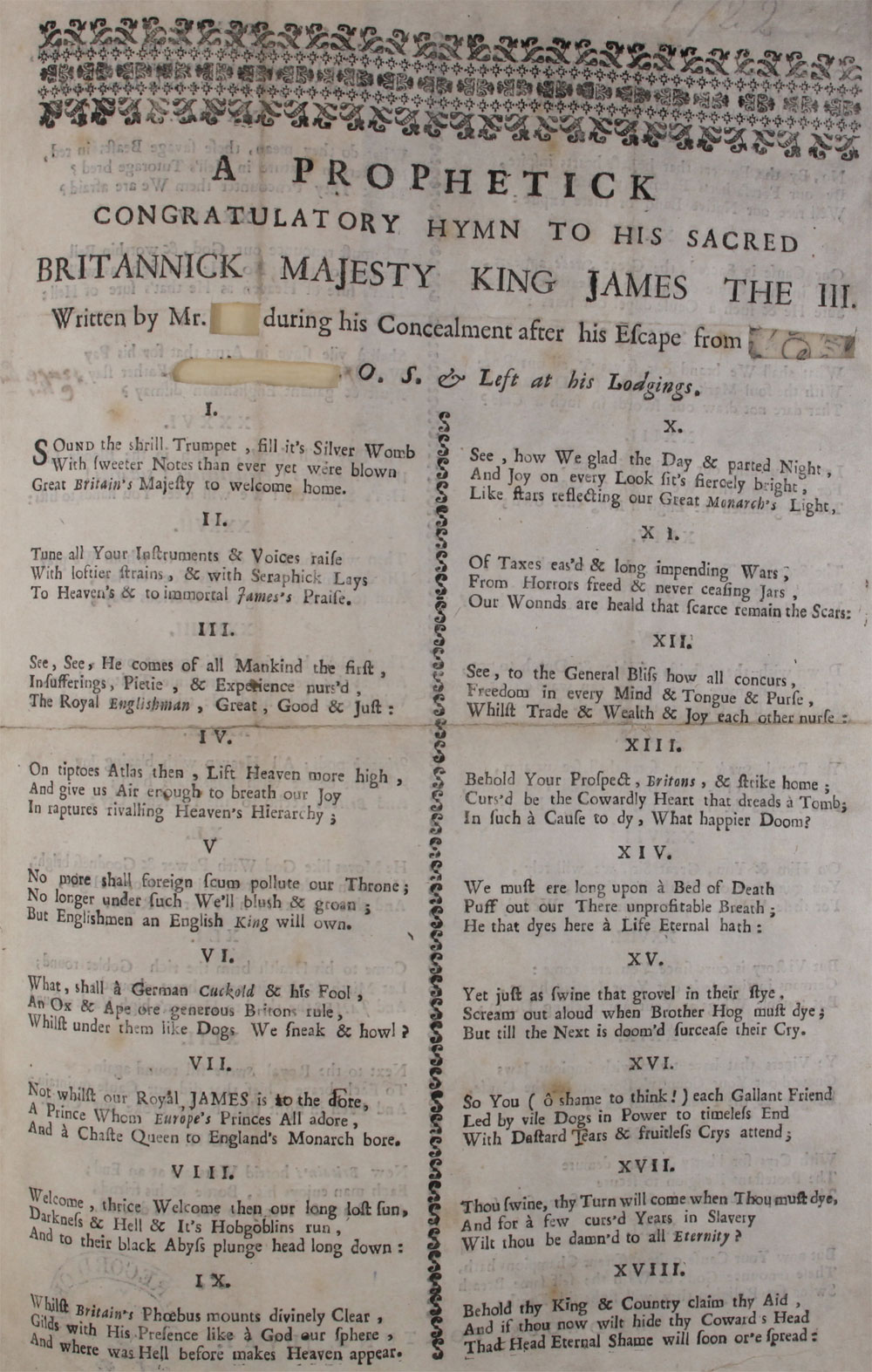
Extract from a Jacobite song consisting of 43 verses, 1722. The Jacobites were the supporters of King James VII of Scotland and II of Great Britain, his son James, ‘The Old Pretender’, King James VIII of Scotland and III of Great Britain and his grandson Prince Charles Edward Stuart, ‘The Young Pretender’. The word Jacobite comes from Jacobus, King James’s name in Latin. This song is calling for the return to the throne of the ‘Old Pretender’ and an end to rule by George I, House of Hanover. (SP 35/40 f.179).
Transcript
A PROPHETICK [what will happen in the future]
CONGRATULATORY HYMN TO HIS SACRED
BRITANNICK MAJESTY KING JAMES THE III [‘The Old Pretender’]
Written by Mr—during his Concealment after his Escape from—
O.S & Left at his Lodgings
I.
Sound the shrill Trumpet, fill it’s Silver Womb
With sweeter Notes than ever yet were blown
Great Britain’s Majesty to welcome home.
II.
Tune all Your Instruments & Voices raise
With loftier strains, & with Seraphick [angelic] Lays
To Heaven’s & to immortal James’s [‘The Old Pretender’] Praise.
III.
See, See, He comes of all Mankind the first,
Insufferings, Pietie, & Experience nurs’d,
The Royal Englishman, Great, Good & Just:
IV.
On tiptoes Atlas [Greek god responsible for holding the heavens on his shoulders]
then, Lift Heaven more high,
And give us Air enough to breath our Joy
In raptures rivalling Heaven’s Hierarchy;
V
No more shall foreign scum pollute our Throne;
No longer under such. We’ll blush & groan;
But Englishmen an English King will own.
VI.
What, shall a German Cuckold [George I] & his Fool,
An Ox & Ape ore generous Britons rule,
Whilst under them like Dogs We sneak & howl?
VII.
Not whilst our Royal, JAMES is to the dore,
A Prince Whom Europe’s Princes All adore,
And a Chaste Queen to England’s Monarch bore.
VIII.
Welcome, thrice Welcome then our long lost sun,
Darkness & Hell & It’s Hobgoblins [monsters] run,
And to their black Abyss [hole] plunge head long down:
IX.
Whilst Britain’s Phoebus [Apollo, Greek god of light and truth] mounts divinely Clear,
Gilds with His Preference like a God our sphere,
And where was Hell before makes Heaven appear.
X.
See, how We glad the Day & parted Night,
And Joy on every Look sit’s fiercely bright,
Like stars reflecting our Great Monarch’s Light,
XI.
Of Taxes eas’d & long impending Wars,
From Horrors freed & never ceasing Jars,
Our Wounds are heald that scarce remain the Scars:
XII.
See, to the General Bliss how all concurs,
Freedom in every Mind & Tongue & Purse,
Whilst Trade & Wealth & Joy each other nurse:
XIII.
Behold Your Prospect, Britons, & strike home;
Curs’d be the Cowardly Heart that dreads a Tomb;
In such a Cause to dy, What happier Doom?
XIV.
We must ere long upon a Bed of Death
Puff out our There unprofitable Breath;
He that dyes here a Life Eternal hath:
XV.
Yet just as swine that grovel in their stye,
Scream out aloud when Brother Hog must dye;
But till the Next is doom’d surcease [stop] their Cry.
XVI.
So You (o shame to think!) each Gallant Friend
Led by vile Dogs in Power to timeless End
With Dastard [cowardly] Tears & fruitless Crys attend;
XVII.
Thou swine, they Turn will come when Thou must dye,
And for a few curs’d Years in Slavery
Wilt thou be damn’d to all Eternity?
XVIII.
Behold thy King & Country claim thy Aid,
And if thou now wilt hide thy Coward’s Head
That Head Eternal Shame will soon or’e spread:
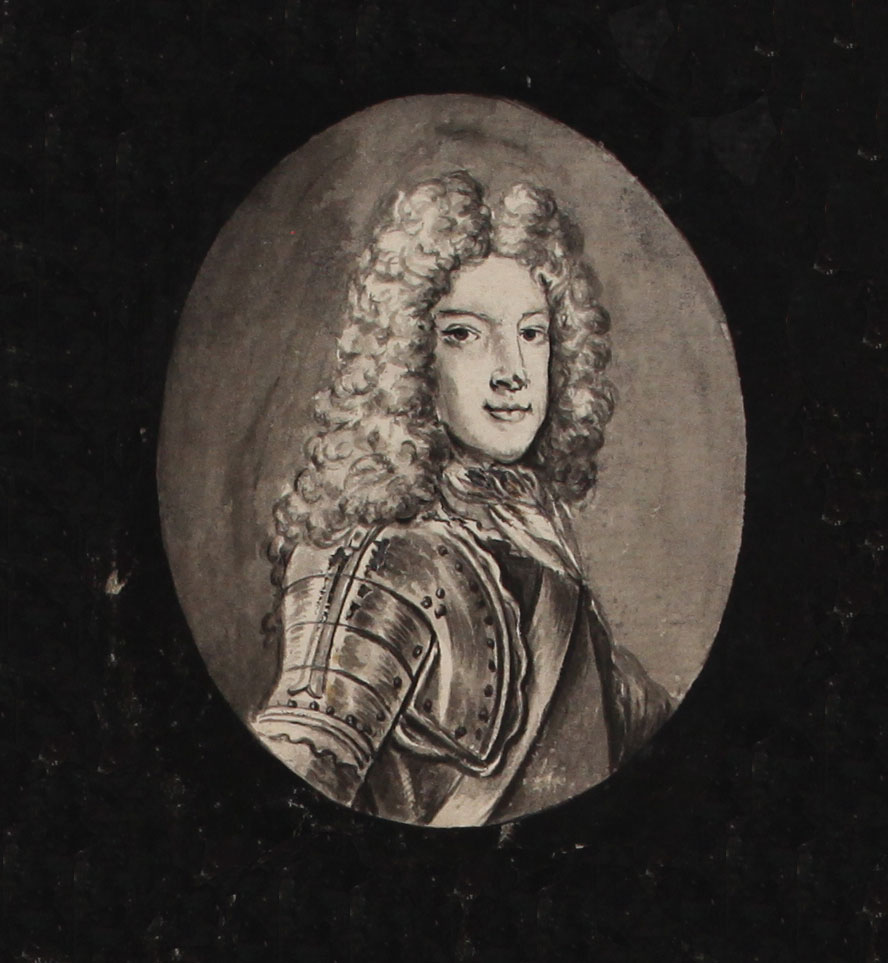 Rebels with a cause?
by Professor Daniel Szechi
The 1715 Jacobite rebellion was the result of deep-seated political division and turmoil. The 1688 Revolution, often called the ‘Glorious Revolution of 1688’ ended the reign of James II and Catholic line of the Stuart dynasty. However, their supporters, the Jacobites, refused to accept this revolution or the political settlement that followed. For three generations the exiled Stuarts, the Jacobites and their European allies plotted to restore the Stuarts, so for over 70 years, the ruling government in the British Isles was threatened by conspiracies, uprisings and threats of foreign invasion.
For the Jacobites, every serious crisis faced after the Revolution was a chance to restore the Stuarts, and therefore the political turmoil in England in 1714-15 seemed full of promise. English politics had become more and more heated after 1688 as Whigs and Tories fought for power, and by 1714 extremists on both sides were secretly preparing for armed conflict in case the other party gained ground. Thus when Queen Anne died on 1 August 1714 and Georg Ludwig, Elector of Hanover, succeeded her, the Tories were outraged to find he strongly favoured the Whig party. The Union of England and Scotland that took place in 1707 added to the political tension.
This union had been pushed through the Scots Parliament in the hope of securing George I’s peaceful succession. There were many truly patriotic unionists in Scotland, but equally there were many other Scots who refused to accept that the combination (as they saw it) of political fixing, selfish economic deals and threats that got the union bill through the Scottish Parliament was in any way lawful. For these Scots the union was an unforgiveable betrayal of the nation. Disillusionment with the way the union worked in practice further reinforced their anti-unionism. The promised equal political partnership with the English proved hollow and the economic improvement promised at the time of the Union was very slow in coming.
These two strands of political alienation were brought together by the Jacobite alternative King James ‘III and VIII’, the son of James II and VII. Fearful that George I’s clear support of the Whigs would mean the end of Anglican religious control in England, many Tories took to the streets. They expressed their anger in waves of rioting that rippled across England between autumn 1714 and the early summer of 1715. Meanwhile their leaders secretly negotiated with King James III for a new revolution that would put them back in power. Meanwhile in Scotland Jacobite Scots were encouraged by the disorder in England to begin secretly preparing an uprising that would restore both the Stuarts and an independent Scotland. When George I and his ministers got wind of this grand conspiracy they swiftly arrested the Tories’ leaders in England, but failed to catch the Jacobites’ leaders in Scotland. John Erskine, the earl of Mar, escaped from London to the Highlands and started a Scotland-wide rising. On 6 September 1715 Mar raised the Jacobite standard at Braemar and the ’15 began.
Professor Daniel Szechi is the author of The Jacobites: Britain and Europe, 1688-1788
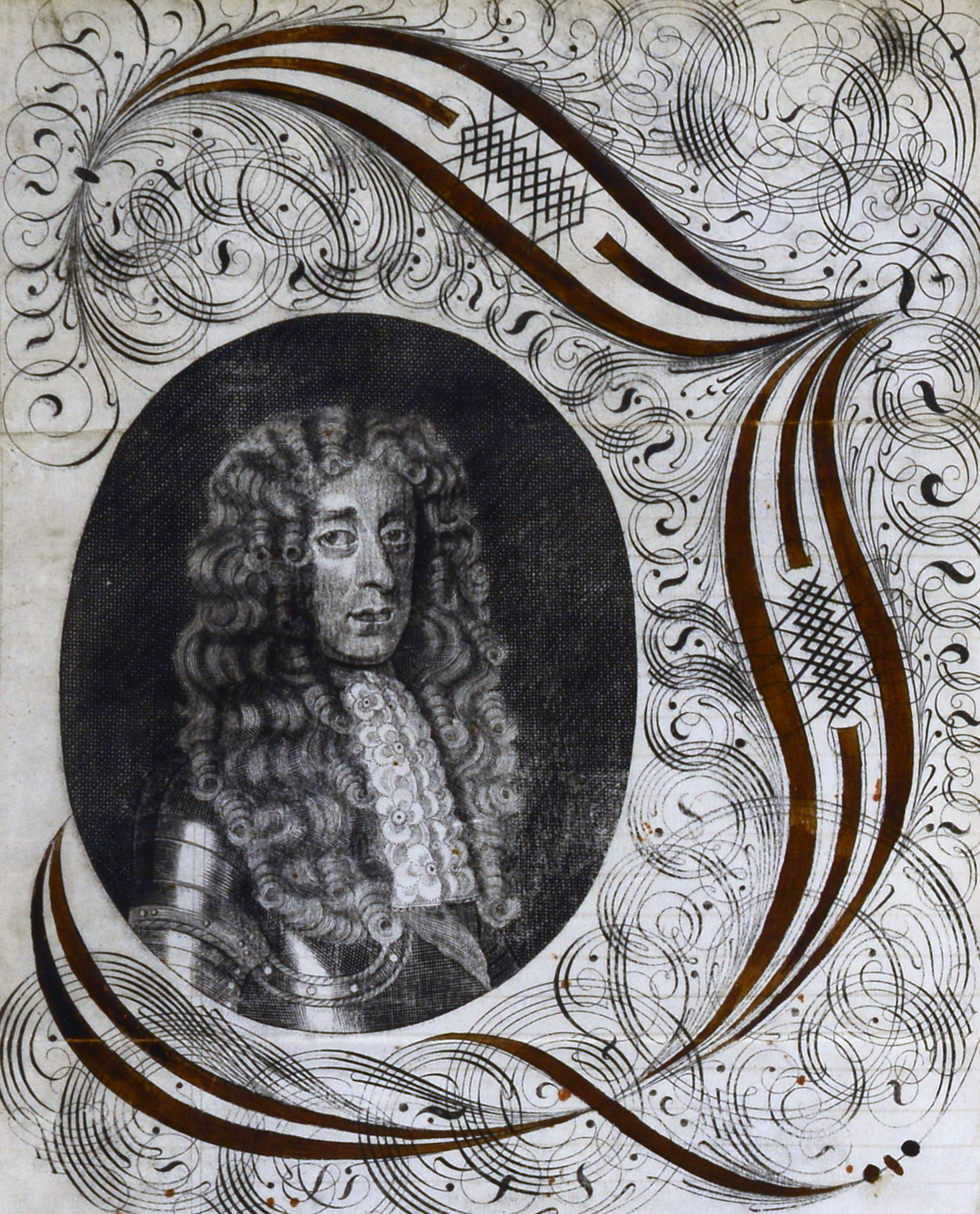
Image of James II: Letters patent granted by James II to Sir Stephen Fox and Sir Christopher Wren, proprietors by purchase of the market in St Martins-in-the-Fields, 9 July 1685 (RAIL 1073/60).
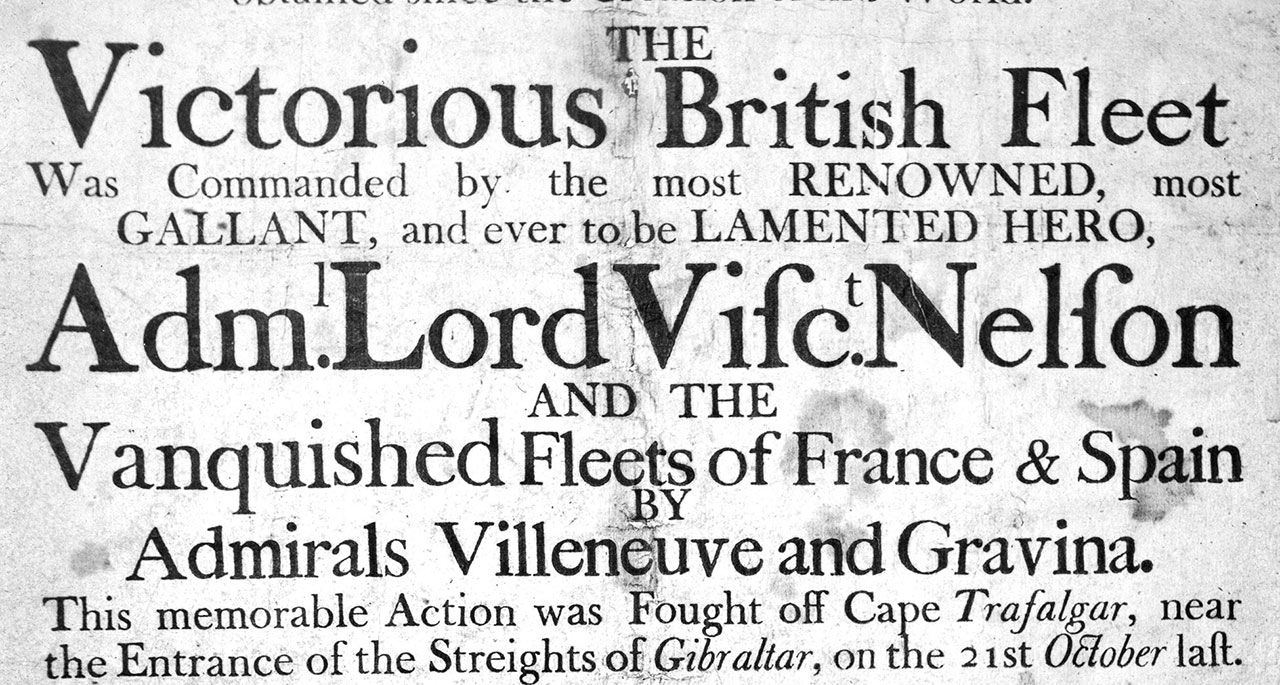
An online exhibition to commemorate the bi-centenary of the Battle of Trafalgar, highlighting key episodes in Nelson’s personal and professional life and a searchable database of those who served in Nelson’s fleet at Trafalgar.