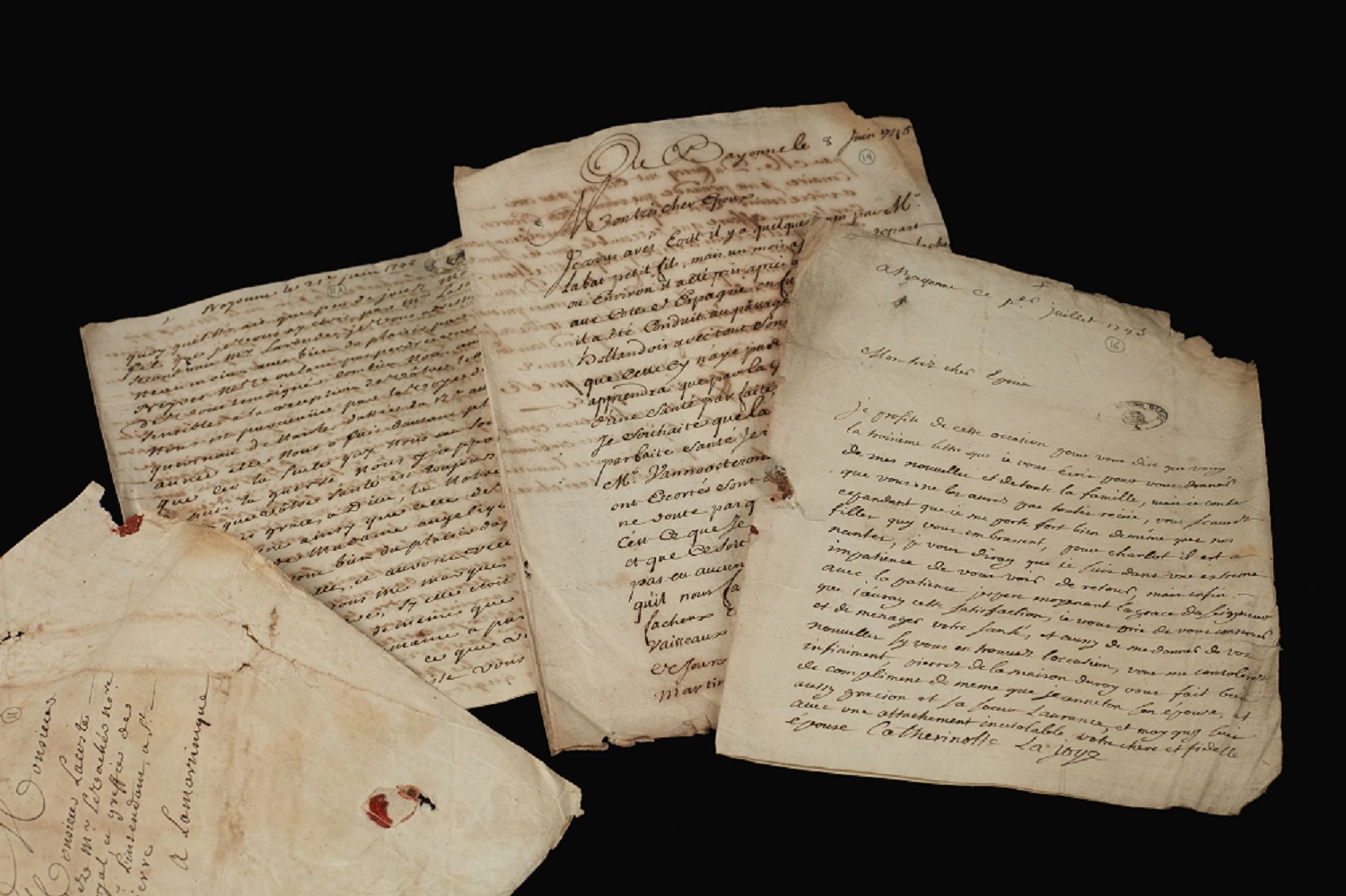
Court records, ship’s papers and mail-in-transit revealing the details of French ships captured during the War of the Austrian Succession are now available online for the first time.
The records from ten ships captured by the English from their French opponents between 1740 and 1748 have been uploaded online today as part of the Prize Papers project.
Collected during the early modern naval practice of prize-taking, the records offer valuable insight into the legality of ship capturing, the international trading of goods and the personal stories of war during the 18th Century.
Dr Amanda Bevan, Head of Legal Records at The National Archives, said: ‘We have uncovered the stories of ships captured by the Royal Navy and privateers in the wars of the 1740s. Any letters on board, for delivery across the seas, were confiscated: the Prize Papers project is virtually delivering them to and across the world, 300 years later.’
Prof Dr Dagmar Freist, director of the Prize Papers project, said: ‘With the publication of these exemplary ships, we provide an insight into the research potential of the manifold documents surviving as Prize Papers in The National Archives, UK. More so, we demonstrate the incredible benefit of sorting, cataloguing, digitizing and presenting this vast collection as open access for academic research and the interested public, which is being made possible by the funding of the Union of the German Academies of Sciences and Humanities. For the first time, researchers can search the prize papers on document level, on a large scale, and they can establish various relations between documents, captures, court processes, actors, time and place in this beta version of the Portal.’
The Prize Papers project is part of the Göttingen Academy of Sciences and Humanities and funded as part of the Academies Programme of the Union of the German Academies of Sciences and Humanities. The project is based at The National Archives and the Carl von Ossietzky University of Oldenburg, in Germany.
Since 2018, both teams have been working to catalogue and digitize documents seized from more than 35,000 captured ships between 1652 and 1817, including 160,000 undelivered letters.
The collection of documents and artefacts provide an interesting look into the daily lives of people around the globe, preserving the history of societies and cultures spanning across a 165-year period.
The papers uploaded to the portal today are from The National Archives’ HCA 32 series. Three of the ten ships have been studied in detail and are available as case studies on the project homepage. The digital images of all ten ships, accompanied by detailed metadata, are available on the open access Prize Papers portal.
For further information on the project, please visit the project homepage.
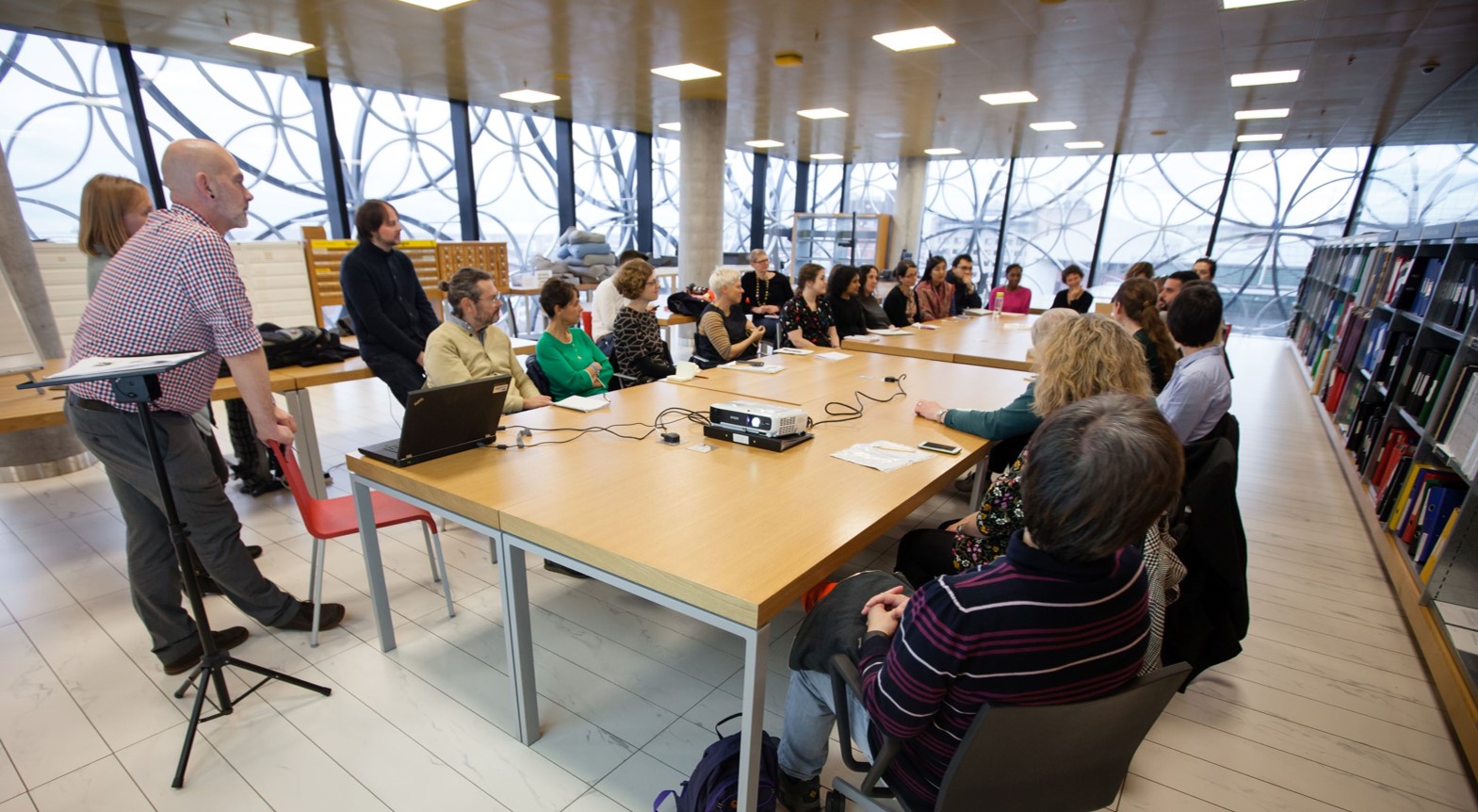
The National Archives and Arts Council England are pleased to announce that they have signed a collaboration agreement until 2024, building on a long history of mutual support. Archives, libraries and museums are closely connected in their work and our two organisations have many shared values and goals.
Dr Valerie Johnson, Director of Research and Collections at The National Archives, said:
‘This agreement comes at an important time for our sector when many institutions are facing challenges and having to make difficult decisions due to a variety of circumstances. We are delighted to be working with Arts Council England to bring together our work across the country and to facilitate a more collaborative conversation and I believe that through this new agreement, both partners will be able to support the wider cultural sector much more effectively.’
Sue Williamson, Director, Libraries at Arts Council England said:
‘The Arts Council is delighted to have developed a partnership agreement with The National Archives, building on a strong foundation of mutual support. There are many synergies and common areas of interest between Archives and Public Libraries, with some library services being responsible for managing an archive collection. We foresee many opportunities to work together in partnership to support national strategic developments, to share learning and intelligence and to continue to support the wider cultural sector.’
By working together, we will be better able to identify and tackle challenges across culture and heritage. These include diversifying the sector’s workforce, developing its digital capacity, expanding audiences, improving the accessibility and visibility of collections, and building resilience.
To achieve these goals, The National Archives and the Arts Council will focus on advocating collaboratively, sharing knowledge, skills and data, and making the most of funding opportunities. In particular, we will alert each other to collections at risk, enabling us to act more quickly so that we can preserve them. We will also seek out new opportunities, such as promoting the positive role of archives and collections in placemaking and wellbeing.
We already work together on a number of initiatives and this agreement will further support these. The National Archives will continue supporting the delivery of archival cases for the Arts Council’s Acceptance in Lieu scheme, as well as contributing to the ongoing development of the Arts Council’s Designation Scheme for outstanding collections in museums, libraries and archives.
Arts Council England will continue to provide input as a member of the Archives Unlocked steering board, which shapes The National Archives’ strategy for leading the archives sector. The Arts Council will also keep recognising archives as part of the nation’s wider creative, cultural and learning offer, and will connect its Tech Champions and Digital Culture Networks with the Digital Archives Learning Exchange.
Senior members of staff from both organisations will meet on an annual basis at the Discovering Collections Discovering Communities (DCDC) conference to discuss mutual interests, share the lessons learnt from our respective sectors, and review the direction of this agreement to ensure that the public has a comprehensive cultural offer.
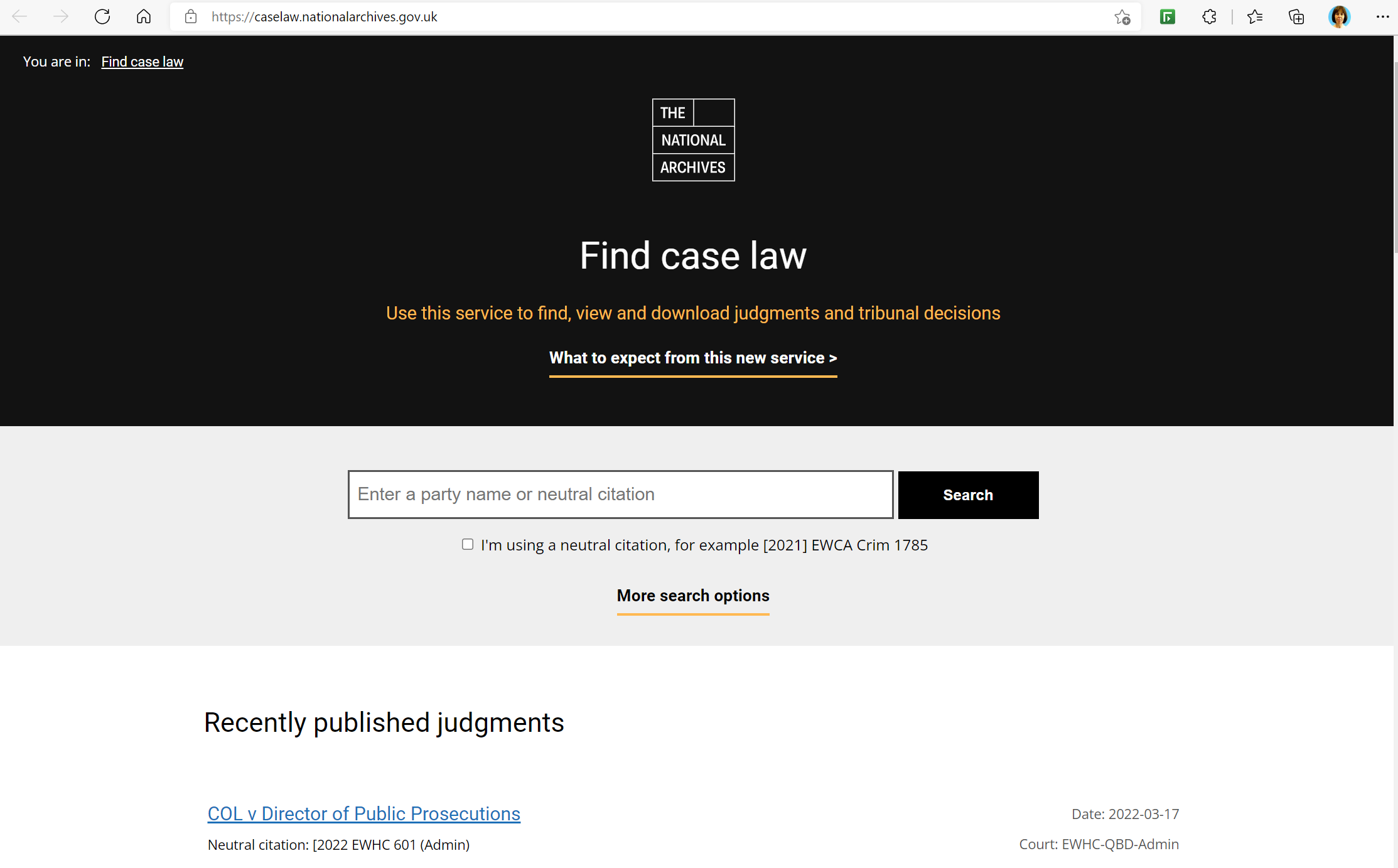
The National Archives has today taken on responsibility for the external publication of court judgments, creating the first publicly available government database of judgments.
John Sheridan, Digital Director at The National Archives said:
‘We are taking on this role as keepers of the public record, working under the Public Records Act 1958. Court judgments are hugely important public documents. We are providing access for people today, with a modern digital service. We are also preserving the records for future generations. It is a step change in terms of access and use of judgments data.’
The new service, known as Find Case Law, will begin by publishing court and tribunal decisions from the superior courts of record – The Supreme Court, Court of Appeal, High Court, and Upper Tribunals. Going forward, The National Archives will continue to work with the Ministry of Justice and the Judiciary to include judgments from more courts and tribunals and to add historical judgments to the service. As this is a new service, we will continue to improve it over the next few months and years, please help us to improve the service by giving us feedback.
The initial collection of judgments and decisions will total 50 000 dating back to 2003 for court judgements and 2015 for Tribunal decisions. Users will be able to search by neutral citation, party name, Judge’s name, court / chamber and date.
New judgments and decisions that are ready for publication will be sent directly from the courts and tribunals – The National Archives will never change them. However, if over time we receive several versions, we will keep all the digital copies but only publish the latest version authorised by the Court or Tribunal.
We will check every judgment and decision before we publish them on the Find Case Law service. We will always revert back to the judge for clarification when required. We know that speed is important for many of our users so we are aiming to publish judgments and decisions quickly.
The documents are published using an international open standard, the Legal Document Mark-up Language. That makes them machine-readable, opening the way for further processing and computational analysis.
The National Archives has worked with colleagues at the Ministry of Justice and the Judiciary to develop two free licences allowing re-use of content from the service.
The Open Justice Licence allows members of the public to continue to use, quote, and publish judgments or extracts from judgments. There are some limits to protect the proper administration of justice, around computational analysis of judgments as data.
For data users, there is a separate free Licence, which you need to apply for. This allows users such as legal publishers, LawTech companies, or academic researchers to process judgments as data, to provide a website search services, compute statistics or computationally analyse the law.
More information can be found on the Find Case Law site.

The National Archives has welcomed Professor Andrew Wathey CBE as the new Chair of its advisory Board for a three-year term. Professor Wathey succeeds Lesley Cowley OBE, the inaugural holder of the role, who stepped down in March, at the conclusion of a transformative and highly successful six-year tenure.
Professor Wathey is currently Vice-Chancellor and Chief Executive of Northumbria University and was appointed a CBE in 2016 for services to Higher Education. He is a graduate of the University of Oxford, where he also took his doctorate in Music. His published research focuses on the social and cultural history of music in late-medieval England and France. He is a Fellow of the Royal Historical Society, the Society of Antiquaries, and the Royal Society of the Arts and is a co-founder of the Digital Image Archive of Medieval Music (DIAMM).
Jeff James, Chief Executive and Keeper of The National Archives, said: ‘I am delighted to welcome Professor Wathey to lead our Board. We are fortunate to have a person of Andrew’s calibre join us at this key stage in our development. His experience in leadership of complex organisations will be invaluable as we continue to realise our strategic vision, Archives for Everyone, and we welcome his input and guidance as we continue with our historic mission to collect and preserve the public record.
Professor Andrew Wathey said: “The National Archives is one of the world’s great collections, and I am thrilled to be taking up the role of Chair of its Board. I am hugely looking forward to working with Jeff James, the Board and all of the staff at The National Archives, as this amazing organization moves to new levels of success and realizes the ambitions of its strategic vision, Archives for Everyone, in a period of exciting and transformative change”.
Further information on The National Archives’ leadership and strategy can be found here.
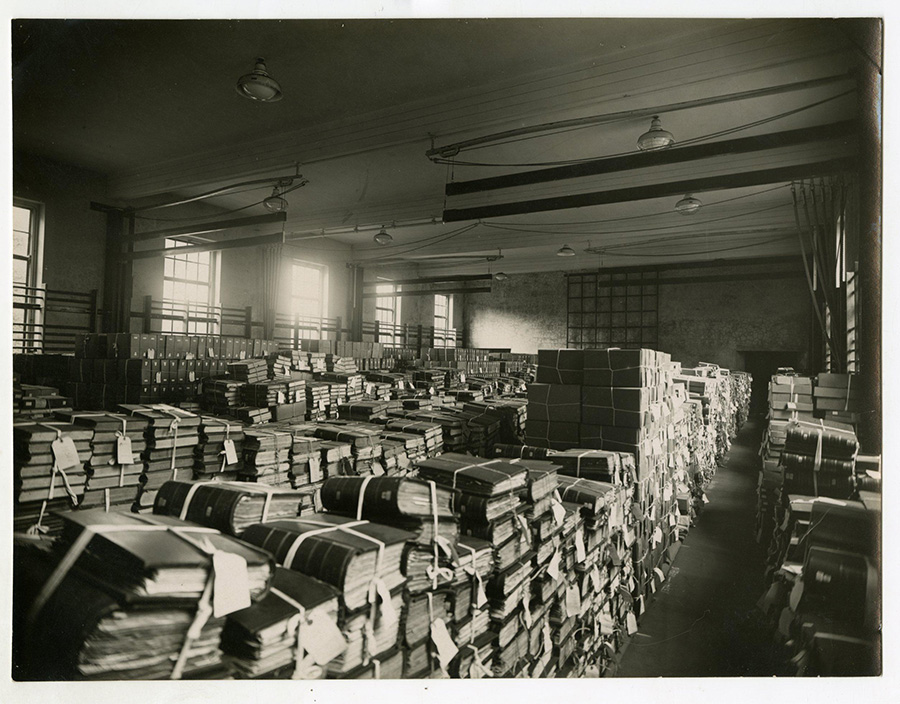
Today we are pleased to announce the successful applicants who have received grants from our Records at Risk Fund. Eight archives from across England and Scotland have each received grants of up to £5,000.
The Records at Risk Fund provides support for urgent, short-notice interventions to save historical records, in both physical and digital formats, that face immediate peril. The fund focuses on categories of records that are not protected by legislation, such as the archives of businesses, charities and private individuals.
A broad range of organisations have been supported, with grants given to preserve collections focusing on policy, engineering history, film, sculpture, youth culture and more. The grant to South West Heritage Trust, for example, will allow them to meet the costs of emergency storage for the Debenhams archive after the last store closed in May 2021. South West Heritage Trust will also now be able to employ a consultant archivist to re-home the 200-year-old business archive, which contains letters, ledgers, deeds and photographs, at an appropriate archive service.
Another grant was awarded to the Garden Museum to preserve the records of R. Halliday & Co. Ltd, one of the foremost glasshouse manufacturers in Victorian and Edwardian Britain. The archive contains the last evidence of some glasshouses’ existence but the collection is currently at serious risk of degradation due to its storage in a hayloft and cellar. The Records at Risk grant will enable a consultant to survey the records, carry out urgent conservation work and re-package them for future safekeeping and public access.
The Records at Risk Fund is a partnership between The National Archives, the Archives and Records Association and the British Records Association. The Business Archives Council is an associate partner, and is using its own funds to further support some of the business records that have been identified as being at risk.
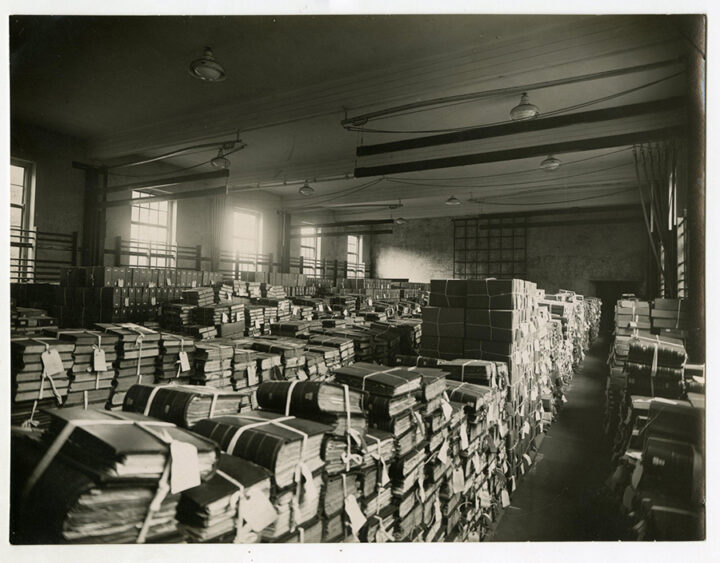
PRO 18/3 (4) – Culham College, repository for evacuated Public Record Office records, 1939-45
Dr Valerie Johnson, Director of Research and Collections at The National Archives, said:
‘I welcome this innovative collaboration with our partners in the archives sector, which has prevented the loss of significant, vulnerable records. Thanks to these grants, multiple collections will now be saved and preserved, allowing future generations to research and learn from them. This is a very practical demonstration of our ongoing support to the wider archive sector.’
You can find a full list of the grant recipients here.
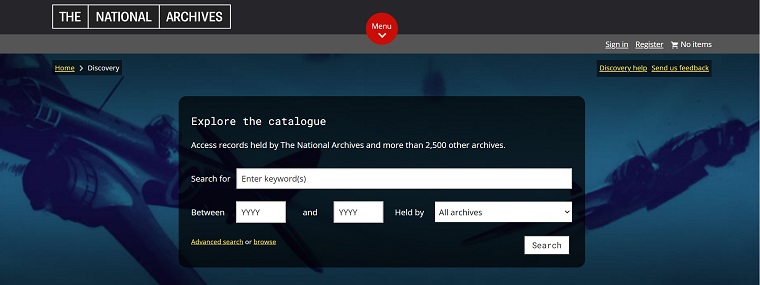
Today, the first tranche of Ministry of Defence (MOD) service personnel records will go on to our catalogue and be made available for ordering. These are the first of 9.7 million records that will be transferred from MOD over a six-year period.
The records are those in series WO 420 and relate to the Corps of Royal Electrical and Mechanical Engineers regiment. They relate to service personnel with a date of birth greater than 115 years.
Service records are a record of an individual’s time in the military. The information contained in the record typically consists of personal information and interactions between the individual and the part of the armed forces they served with such as record of service, disciplinary and conduct sheets, service postings and information captured when they first signed up.
In February 2021, the MOD began the transfer of historic service personnel records to The National Archives and since then staff have been preparing the records for access. This work is continuing and we will provide updates when more records are available.
Currently, documents can only be viewed when ordered in advance (4 days) which allows us to ensure the preparation of the records before viewing and allows us to monitor usage and popularity which in turn will enable us to react to researcher requirements.
Advice on how to access records can be found here.
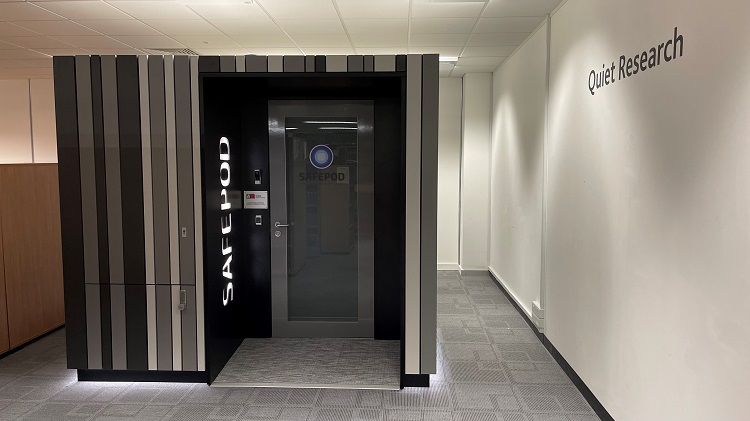
We have today become one of the first places in the UK to host a SafePod for data research.
A SafePod is a small prefabricated room, which provides the necessary security and controls to enable a researcher to access and work on data that requires secure access. In most cases no data needs to be held inside a SafePod, and instead access is provided by secure remote connection to the dataset-holding organisation’s server.
A wealth of government datasets, as well as study and survey datasets, are available for secure access from SafePods. These include new linked datasets created by Administrative Data Research UK (ADR UK) projects, such as the ground-breaking Data First programme at the Ministry of Justice, and the majority of datasets held by the Office for National Statistics’ Secure Research Service, the UK Data Service and SAIL Databank.
The security of data used for research is vital, as many of the datasets in question are based on the administrative records of millions of people across the UK. Strict controls are already in place for their research use, and the datasets are either de-identified or anonymised before they can be used.
SafePods maintain the physical security needed for research use of these datasets and enable researchers to provide valuable insights about how our society and economy function, without compromising anyone’s privacy.
The SafePod Network is funded by the Economic and Social Research Council and run by the Scottish Centre for Administrative Data Research as part of the ADR UK programme. Researchers can learn more and book a SafePod through the SafePod Network website, and where necessary, priority access will be given for research that is critical to society and the economy.
Other organisations that host a SafePod include universities in Bath, Bristol, Cambridge, Central Lancashire, Dundee, Exeter, Glasgow Caledonian, Liverpool, London School of Economics and Political Science, Manchester, Nottingham, Oxford, Ulster and York.
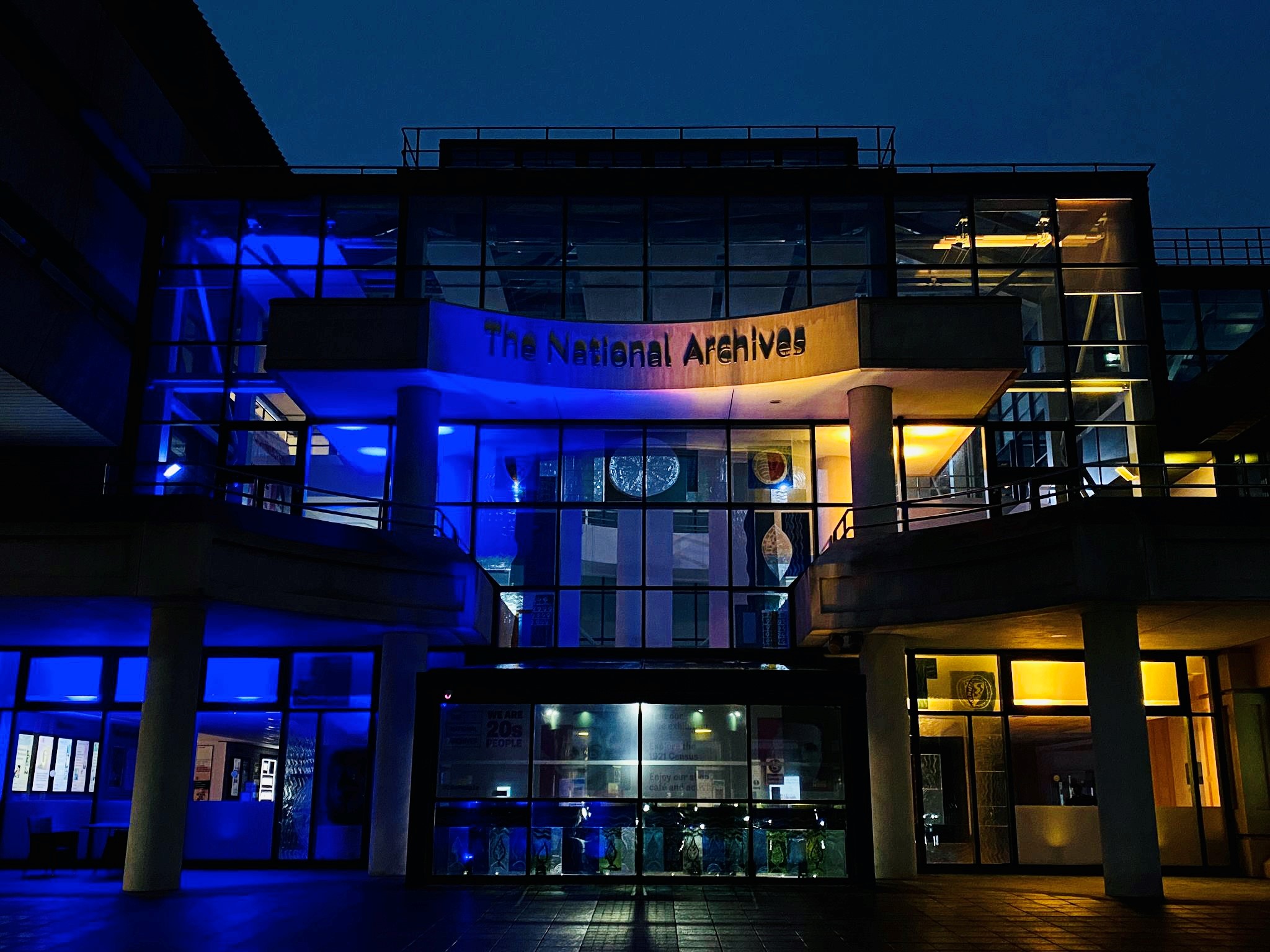
We have all seen the horrific events unfolding in Ukraine. Many of us are looking for different ways to help; as an institution, we are looking at practical ways to help our colleagues in Ukraine preserve their national archival collections that are in peril.
We’re really proud to be a part of the international archive community, to be one of many playing our part. Earlier this month, our Keeper of Public Records, Jeff James, who sits on the International Council on Archives (ICA) Executive Board and is President of the Forum of National Archivists, agreed with other Board members to pass a resolution suspending relations with four Russian and Belarusian public archival institutions that are members of the ICA.
Last week, along with others across the sector, we responded to a request from the Ukrainian archives, to help them preserve their digital archives. As a leader in digital archiving, we have the expertise to support colleagues in Ukraine as they preserve their digital archival heritage and will continue to work with our international networks to provide whatever support we can.
Jeff James, Keeper of The National Archives said:
“We stand by the efforts of our international archive community to support our colleagues in Ukraine and we hope for a swift and just end to this devastating war. In tragic situations like these, we are reminded of the significant role archives play in preserving the stories of a nation. The digital archives we have agreed to protect will form a vital part in the reconstruction of Ukrainian society. Alongside other institutions, we will continue to do what we can until that time arrives.”
Across our organisation, in line with the UK Government’s position, teams are working on other activities to show our solidarity with the people of Ukraine, including registering and publishing Statutory Instruments relating to sanctions, exploring what support we can offer the Institute for Conservation’s (ICON) appeal to protect Ukraine’s cultural heritage, and our Web Archiving team is ensuring we capture as complete a record as we can of the UK Government’s response on the web to the invasion of Ukraine.
The UK Archive Service Accreditation Committee is pleased to announce that the following archive services have been awarded accredited status for the first time following the latest panel meeting:
- Commonwealth War Graves Commission Archive
- Institute of Advanced Legal Studies Archives
All accredited archive services must apply again for accreditation six years after their initial award to retain their accredited status. At the same accreditation panel meeting, the following archive services were awarded accreditation for the second time:
- Cheshire Archives and Local Studies
- National Library of Wales
- Oxfordshire History Centre
- Sheffield City Archives
- The National Archives
By attaining accreditation, archive services demonstrate that they meet the UK standard for collections management and access to collections, showing resilience and the ability to manage changing circumstances successfully.
This has been vital to granting awards during the COVID-19 pandemic, which has presented exceptional challenges to archive services across the UK.
Archive Service Accreditation is supported by a partnership of the Archives and Records Association (ARA), Archives and Records Council Wales (ARCW), National Records of Scotland (NRS), Public Record Office of Northern Ireland (PRONI), Scottish Council on Archives (SCA), The National Archives, and the Welsh Government through its Museums, Archives and Libraries Wales division.
The recent panel comprised committee members from PRONI, NRS and recruited professionals from across the archive sector to ensure the independent and impartial assessment of The National Archives and the National Library of Wales.
View the full list of accredited archive services
Find out more about Archive Service Accreditation and the COVID-19 pandemic
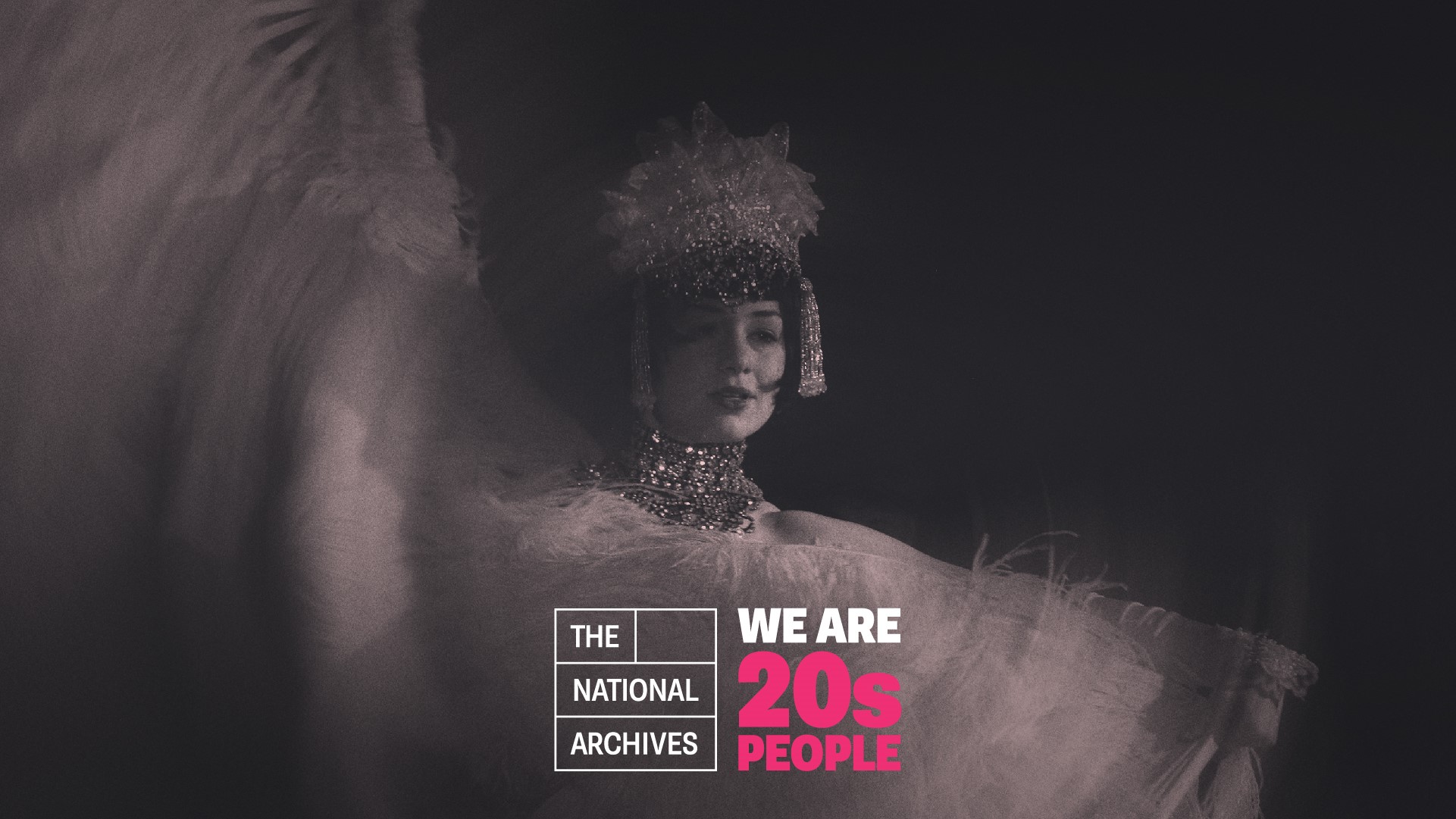
Get ready for a trip back to the glitz and glamour of London’s hottest 1920s underground spot, The 43 Club, courtesy of our late event on 20 May.
Join us as we party with the notorious and scandalous Kate Meyrick, the ‘Nightclub Queen’ of Soho, in an exciting one-off recreation of her famous venue, brought to you in collaboration with The Candlelight Club. Learn more about Kate in our 20 People of the 20s series.
The evening, hosted at our site in Kew from 7.30pm to 11pm, will recreate the sights and sounds of the 43 as inspired by records in our collection. With live cabaret, jazz, and DJ sets, and curated cocktails and food from Maids of Honour, the night is set to be abuzz with 1920s frivolity.
Dress up in your best 1920s outfit as this immersive evening will include actors playing Kate and her staff, who will chat to you about their misadventures with the celebrities, royalty, gangsters, and bright young things, who all partied at the club.
Amy Marr, Event Producer at The National Archives, said: ‘We are looking forward to welcoming guests to our reimagined 43 Club, with all the sights, sounds, entertainment and refreshments that many of the original patrons would have experienced.
‘We know a lot about British nightlife in the 1920s thanks to our rich collection of records; although some of the information comes from the police raids called in to close down the illicit sale of alcohol.
‘This unique evening provides an opportunity for visitors to take a step back in time to meet our interpretation of Meyrick and spend an evening in her company.
‘Dressing up for the occasion is definitely encouraged!’
Bring your friends and get your tickets here.
The evening is part of as part of our 20sPeople season marking the publication of the 1921 Census earlier this year.
Full details of all our 1920s activities can be found in our 20sPeople online portal, including our free exhibition The 1920s: Beyond the Roar.
Join our mailing list to hear first about upcoming events with priority booking.