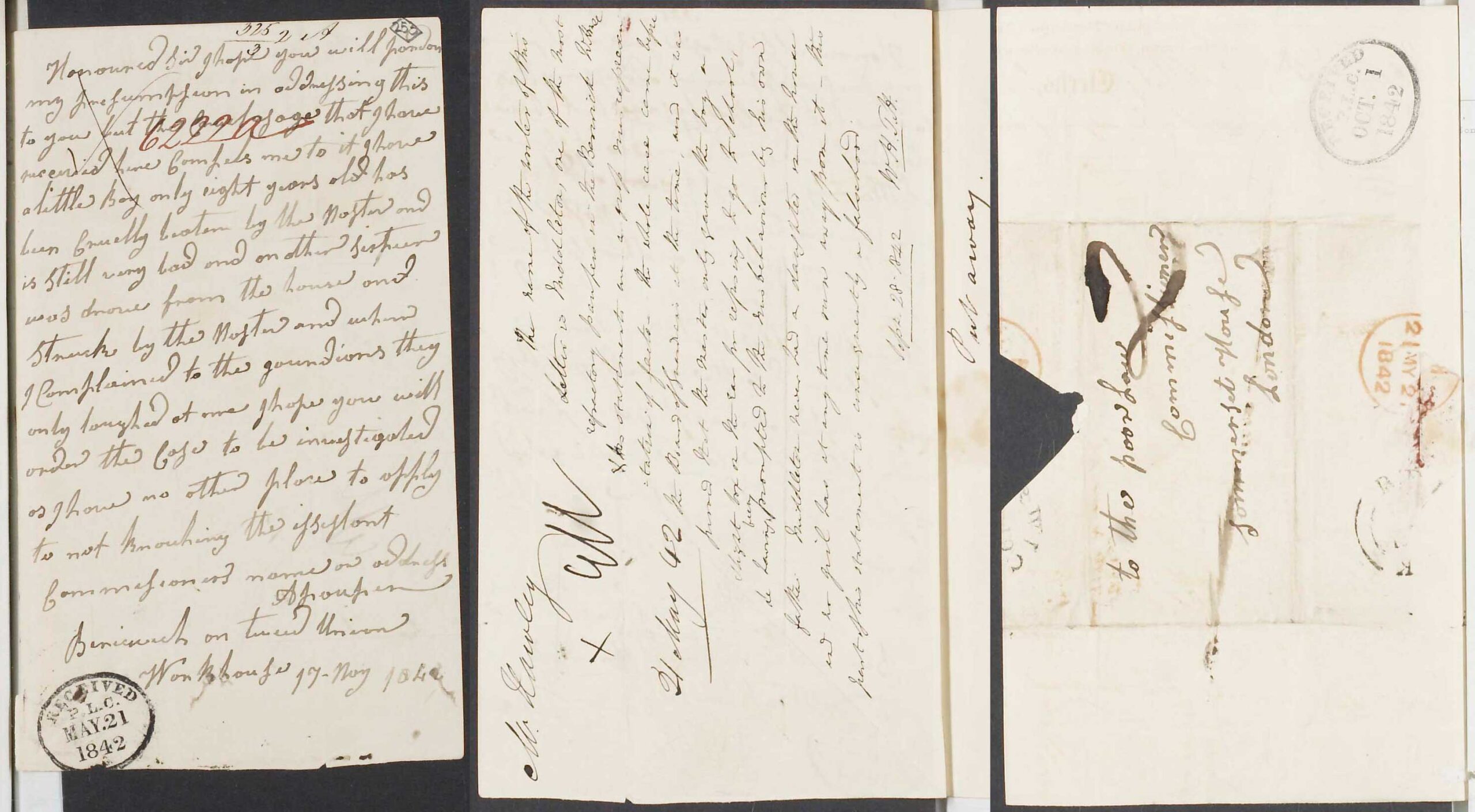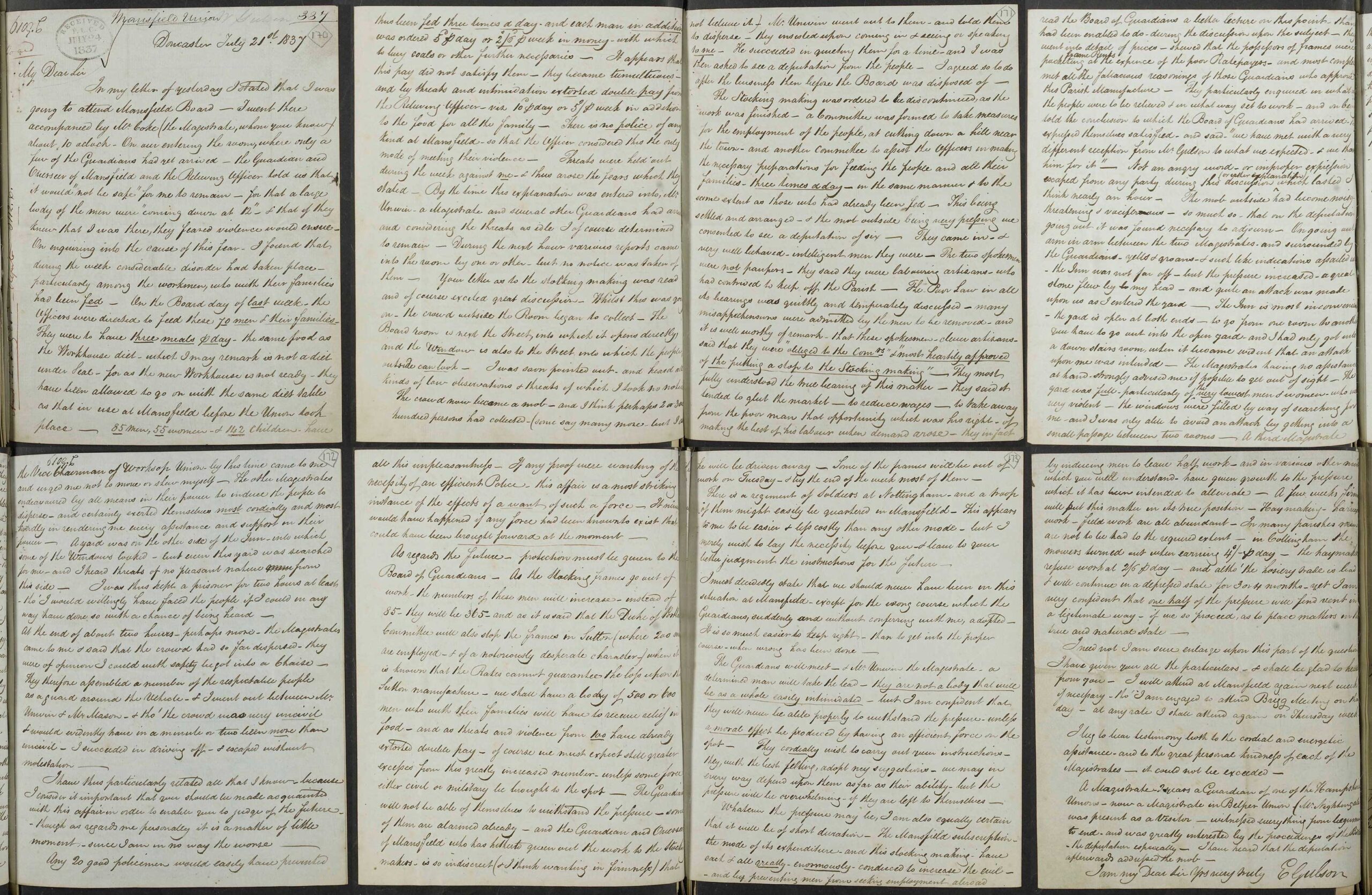
The document displayed here is the lengthy letter described in the catalogue entry, but the entry itself is the item for study.
This document pack and associated activity are designed to support students with their depth study of Poverty, Public Health and the State in Britain c1780 – 1939. The period of 1834-55 has been chosen to allow focus on the Poor Law Amendment Act and its impact on society.
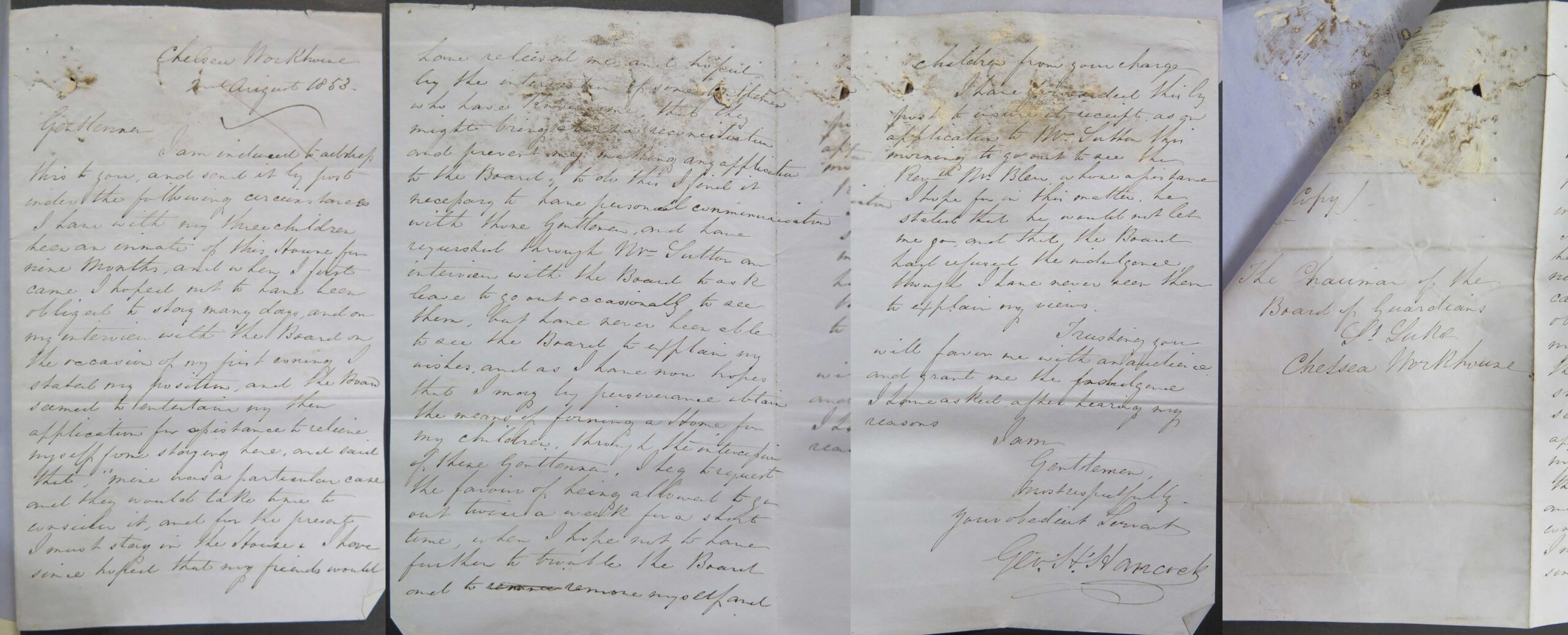
The letters provided in this pack are largely from paupers or interested parties writing to the Poor Law Commision, the Poor Law Board or local authorities in regards to the act, as such they offer genuine contemporary reactions to the Act.
The letters have been presented as photographs with transcripts available (printed on the reverse if this pack is printed double-sided). An accompanying powerpoint has been provided which can be edited to suit your needs. Teachers notes have been provided within the powerpoint with suggested activity instructions.
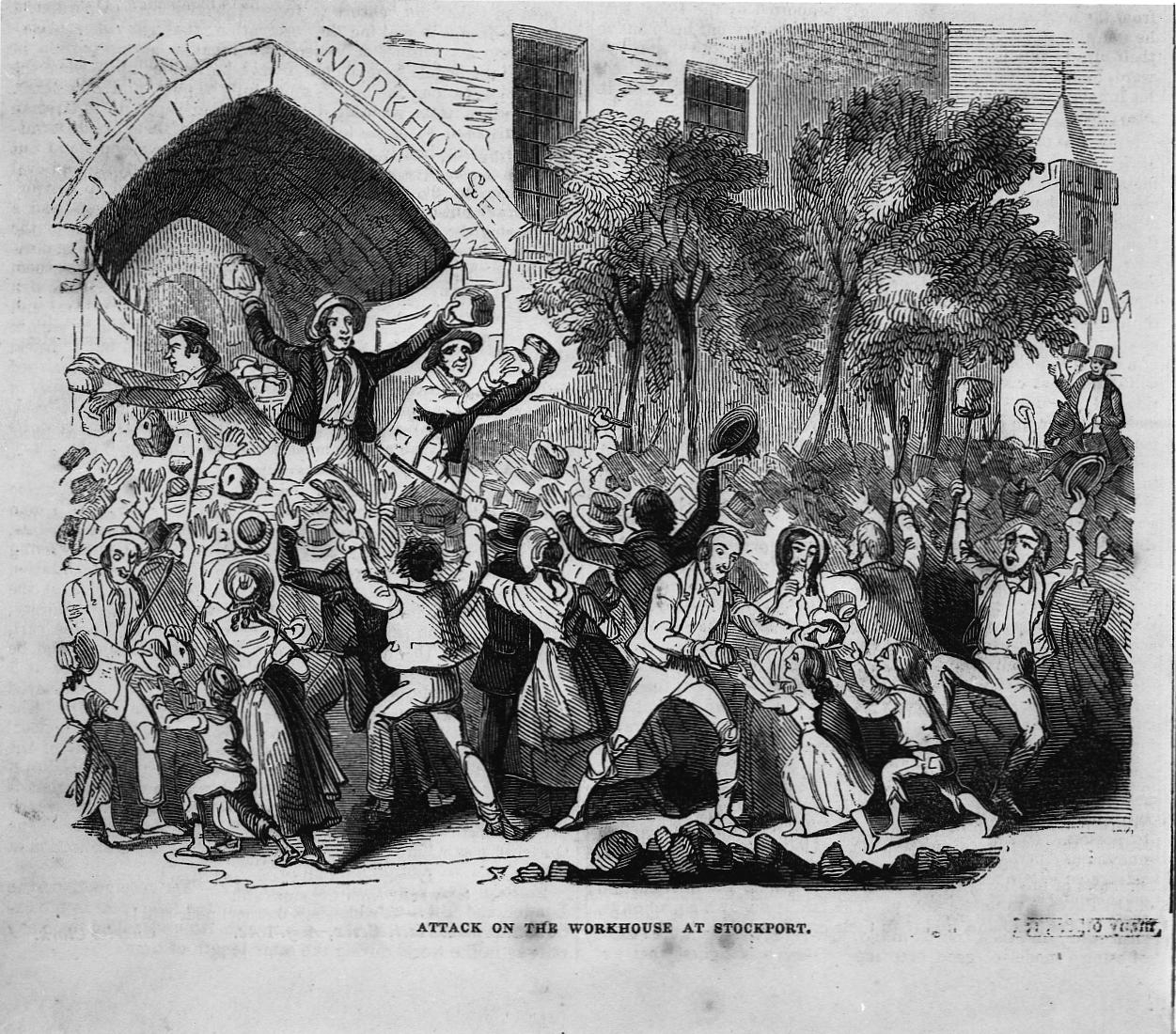
What can archival material tell us about protest?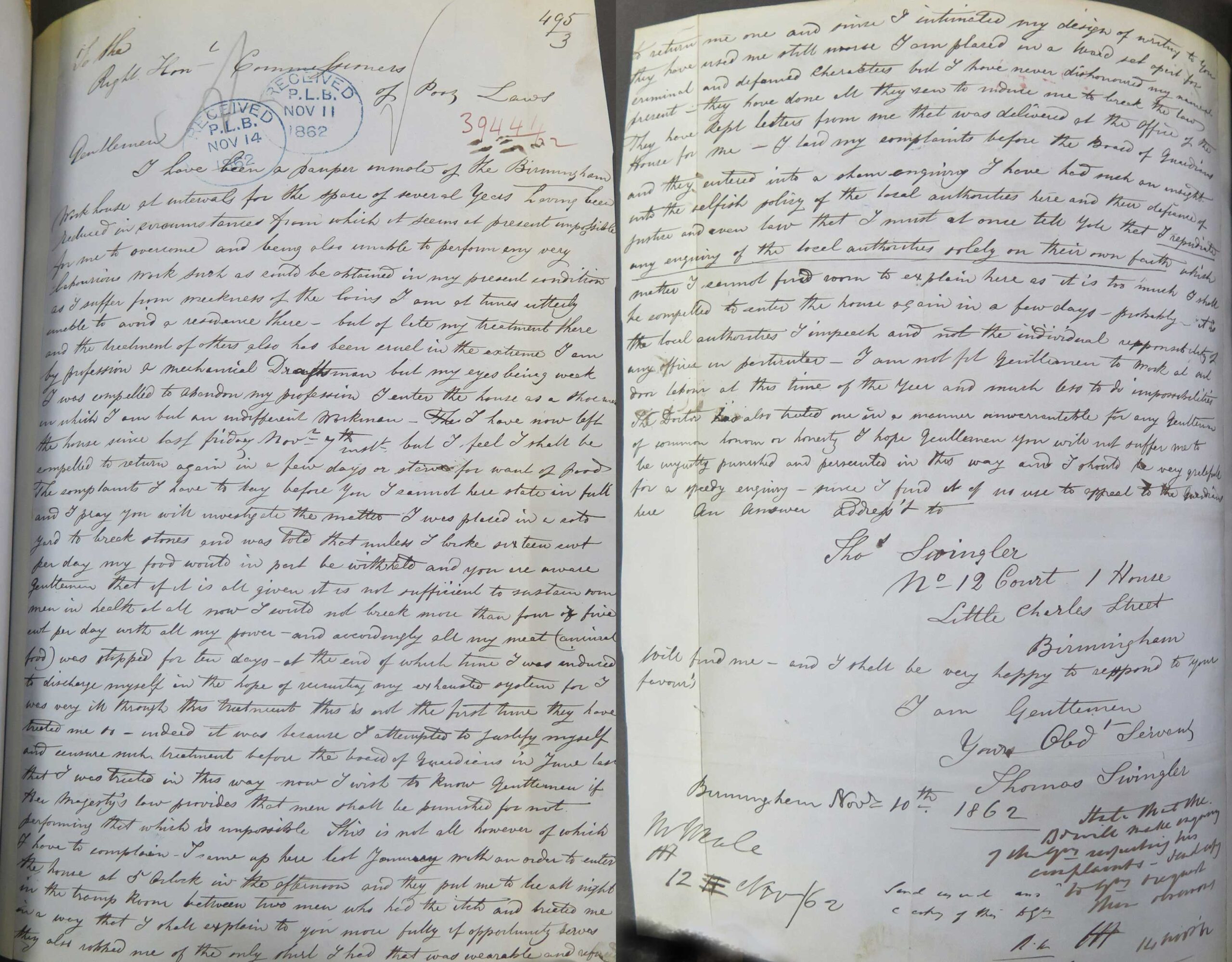
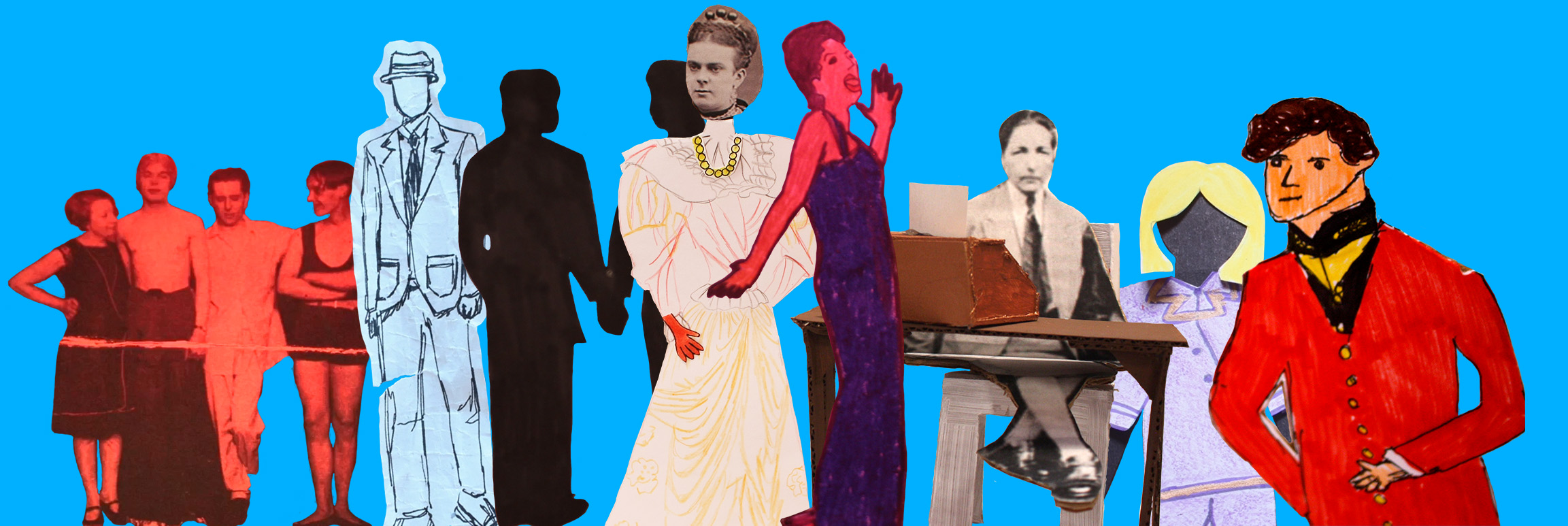
‘Uncovering LGBTQ+ lives in the archive’ is a series of films combining puppetry, model-making, and animation created by a group of eight young people in July 2022. The project allowed the group to explore moments of LGBTQ+ history from the collection, some more well-known than others, and to interpret the documents from a 21st century perspective. They then used their reflections to inspire the narrative and artwork for their films.
This was the first young person’s project to be run onsite since 2019. The group worked with a filmmaking team led by Nigel Kellaway, as well as staff from the Education and Outreach department and record specialists.
The young people explored stories relating to individuals and ‘spaces’ which allowed them to consider wider themes such as the use of language, criminalisation, and communication through the 18th to 20th centuries. Under the guidance of staff, the young people worked with original archive documents, in some cases seeing photographs of the people and places they were researching. The group demonstrated emotional intelligence and compassion for the people whose lives they have interpreted.
The series of films can now be used by teachers and students as brief overviews or introductions to the themes explored within the films.
The following questions can be asked of each film:
- What types of documents are shown in the films?
- What do the documents reveal about what life was like for LGBTQ+ people at the time?
- What themes can you identify within the films?
- How do we view these stories today, with a contemporary perspective?
- Can you find out how the laws affecting the lives of LGBTQ+ people have changed over time? Can you explain why?
- Why are these documents kept at The National Archives?
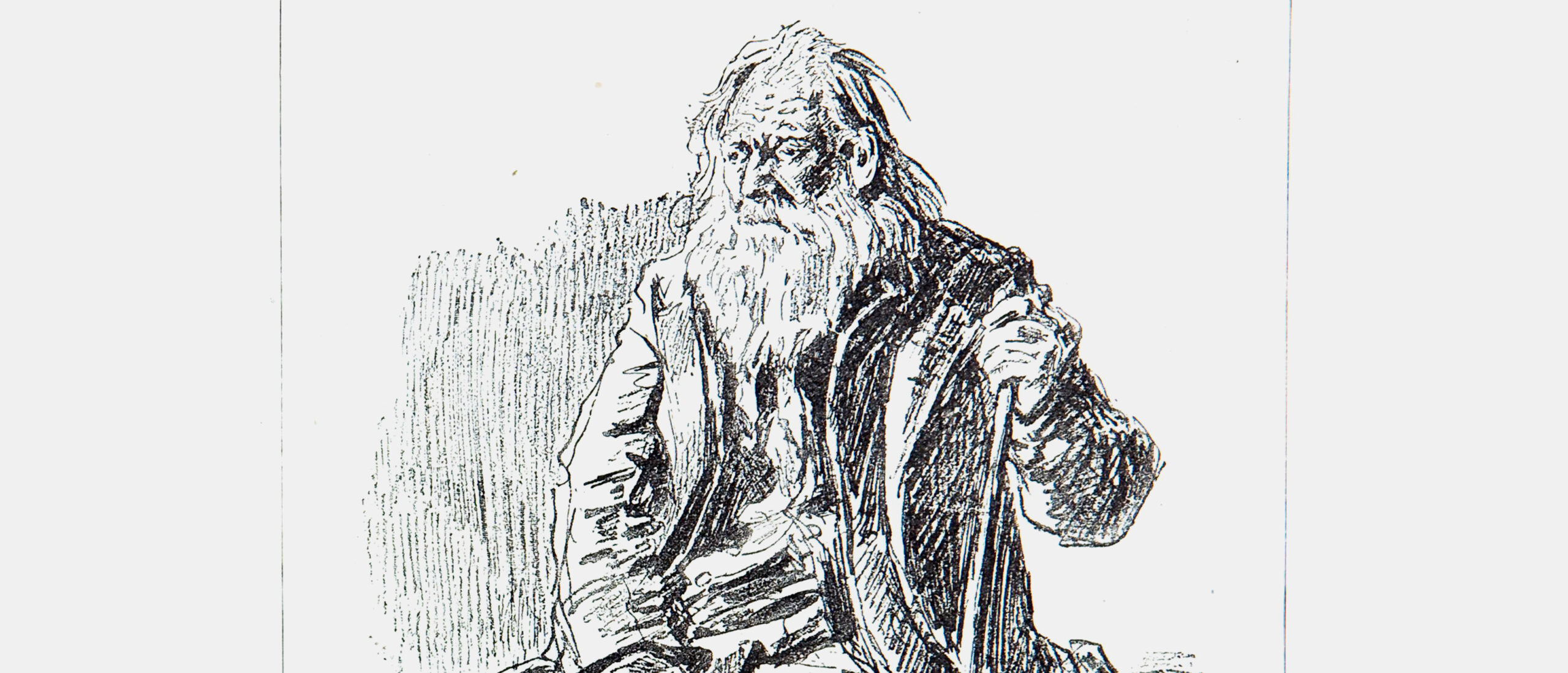
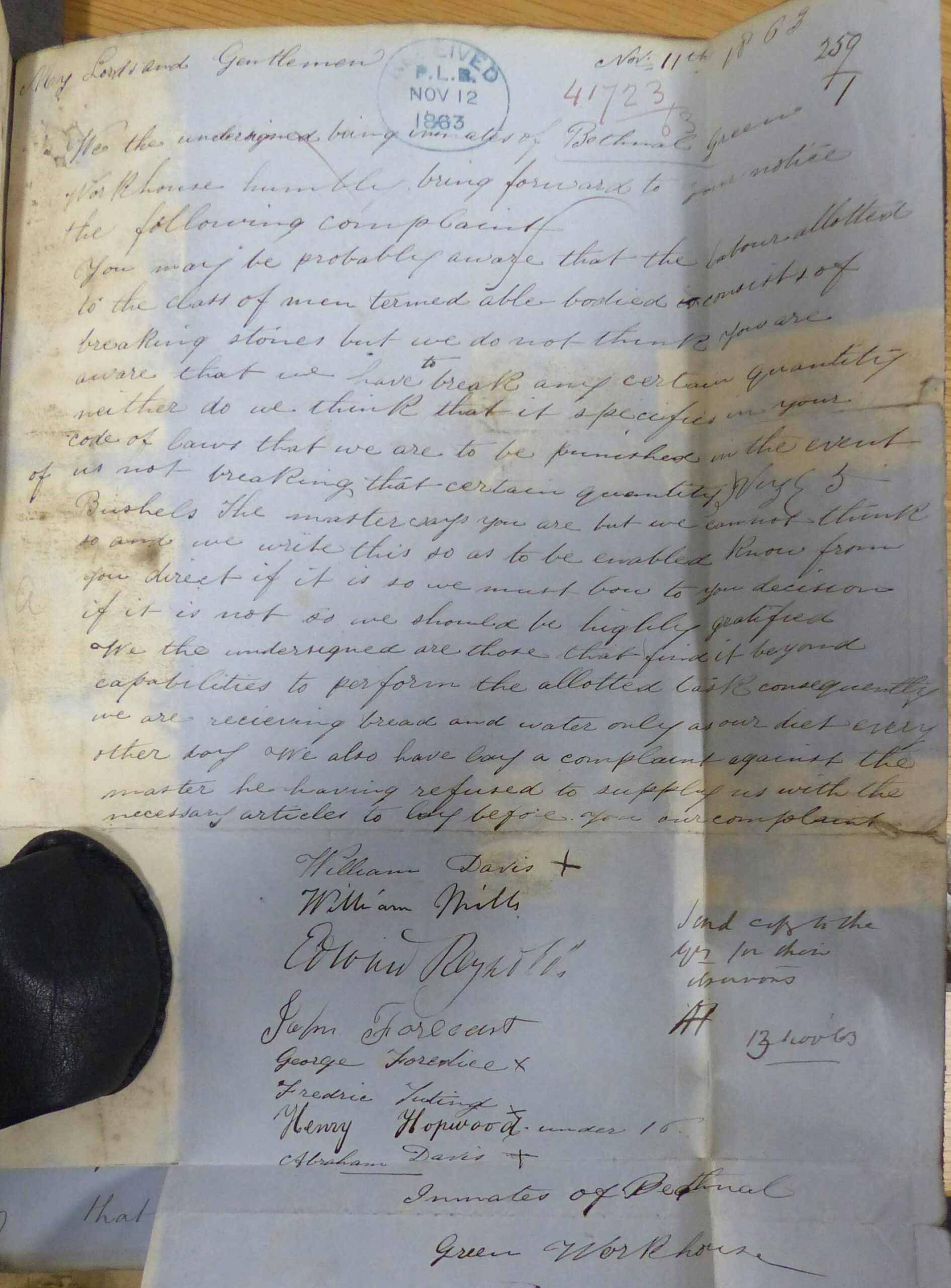
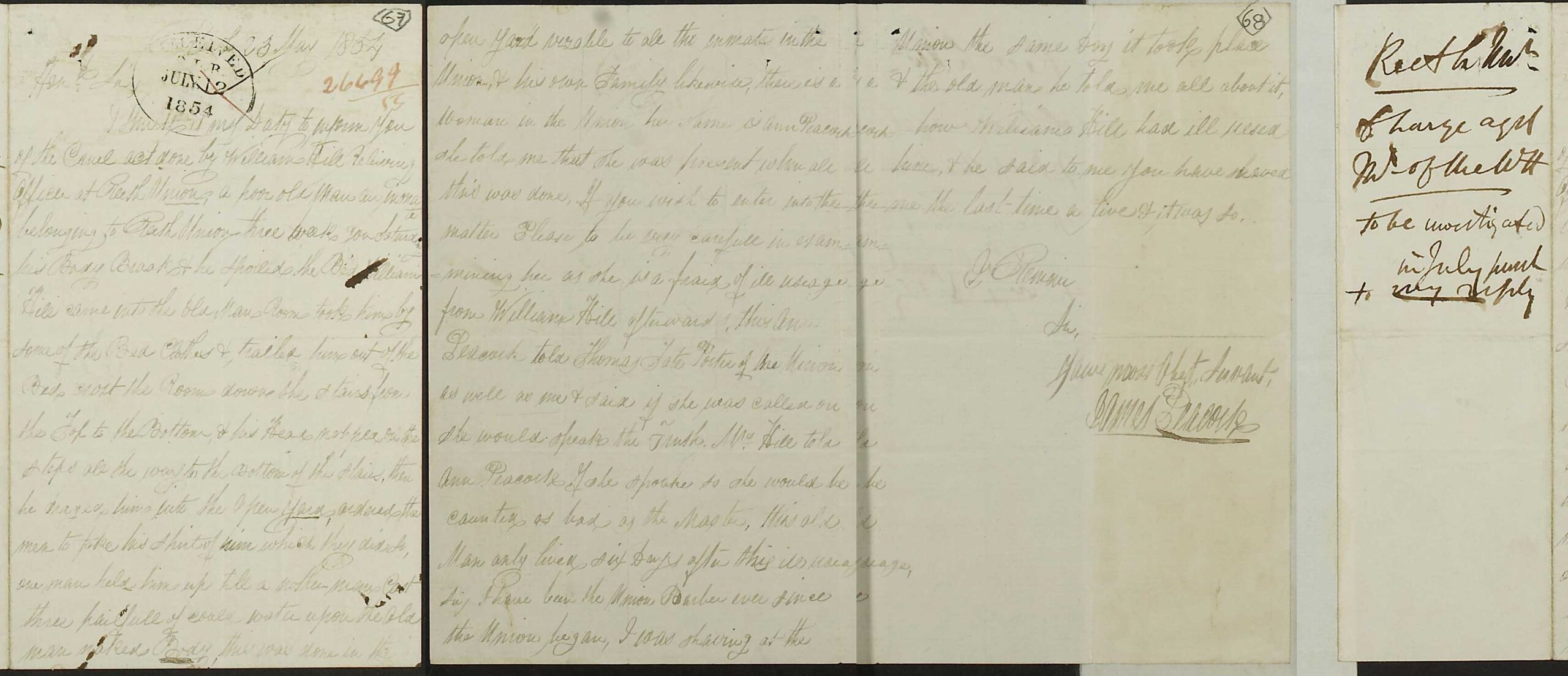
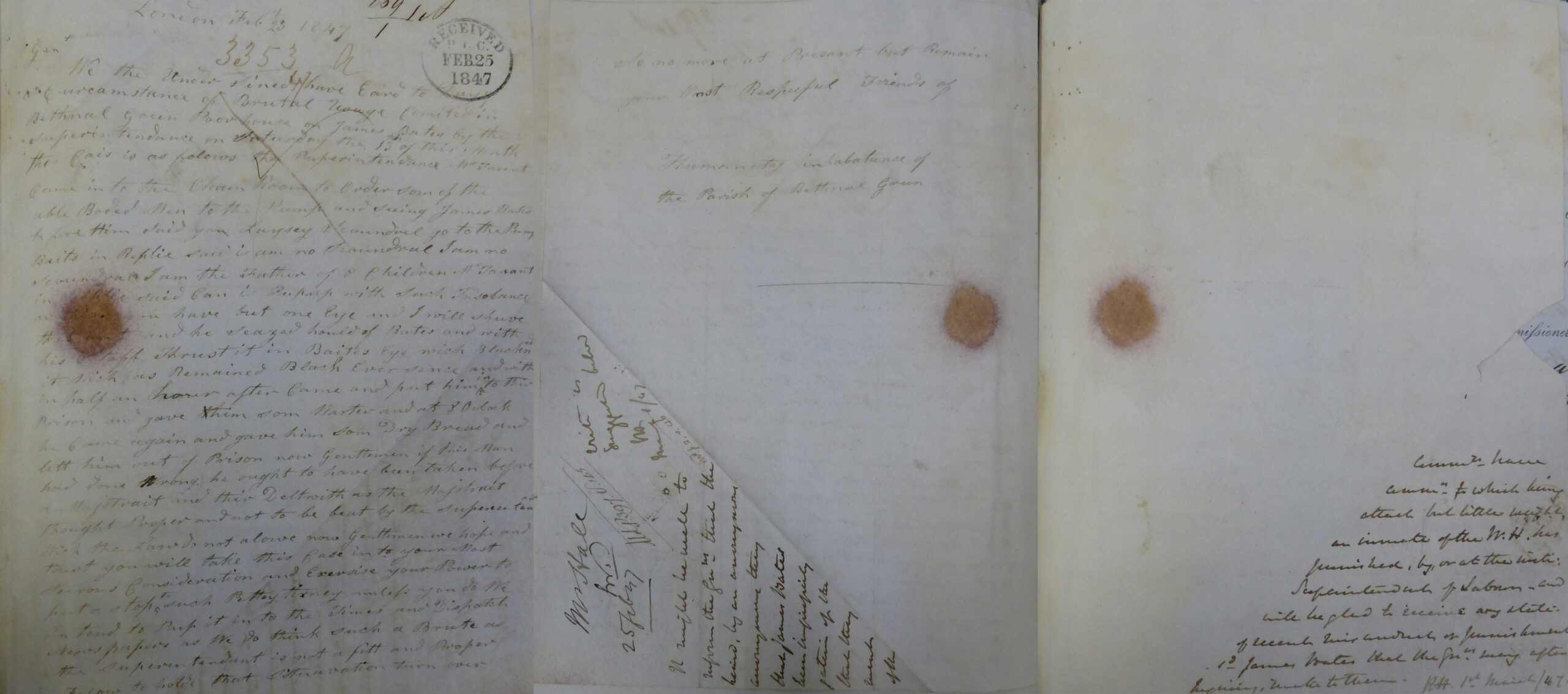
This is the second of two lessons exploring descriptions of the punishment of the poor in the MH12 collection. The first lesson explores punishments given to children while the second lesson examines pauper attitudes to punishments for the general population.
It was created as part of the Teaching the Voices of the Victorian Poor Teacher Scholar Programme.
You can download both parts in a single zip file here:
Download Punishment in the Workhouse lesson sequence
What can ‘pauper voices’ reveal about attitudes towards punishments in the workhouse?The workhouse: an intended place of punishment
From the very beginning, the Poor Law Commission (PLC) was conscious that there would be a need for the systematic disciplining of paupers within the workhouse and that the local workhouse authorities must have the right to inflict punishment upon inmates who broke those rules designed for good governance. In the first of their annual reports, the Commissioners set out a host of rules under the general title of ‘Discipline and Diet’, the breaking of any of which would signify the pauper as ‘disorderly’. Such rules included making a noise when silence was ordered, using obscene or profane language or insulting a fellow inmate. The classification of disorderly might result in the pauper being ‘placed in apartments provided for such offenders, or shall otherwise be distinguished in dress, and placed upon such diet as the board of guardians shall prescribe’. Any pauper who then repeated, within a week, an act that would have deemed them as disorderly, or who committed two disorderly acts, or who insulted the master or matron, or who was drunk or acted indecently, would be classed as ‘refractory’. The refractory pauper could expect a greater period of confinement and greater alteration to their diets than that of the disorderly pauper. However, the confinement was limited to twenty-four hours or such time when the individual could be taken before a magistrate to be dealt with under the criminal justice system should their transgression warrant.
Punishment in the name of order was a feature of nineteenth-century institutions, and the workhouse was no exception. In the first decades of the New Poor Law, it is clear that weak central controls and a fragile administrative reach at the local level led to instances of egregious, not to say brutal, treatment of some paupers. Codification (and watering down) of the centrally directed punishment framework from the 1840s stifled the systematic physical chastisement and concentrated on the removal of privileges as a means of confronting disorder, but it was still a punishment framework.
Selective punishment also has important implications for the way that the inmate poor understood and experienced workhouse life and how those at risk of workhouse admission viewed the institution… The fact is, however, that injustices were often confronted by paupers, inspectors and newspaper commentators.
Taken from P. Carter, J. James and S. King, ‘Punishing Paupers? Control, discipline and mental health in the Southwell workhouse (1836-71), Rural History (2019), 30, pp. 161-180