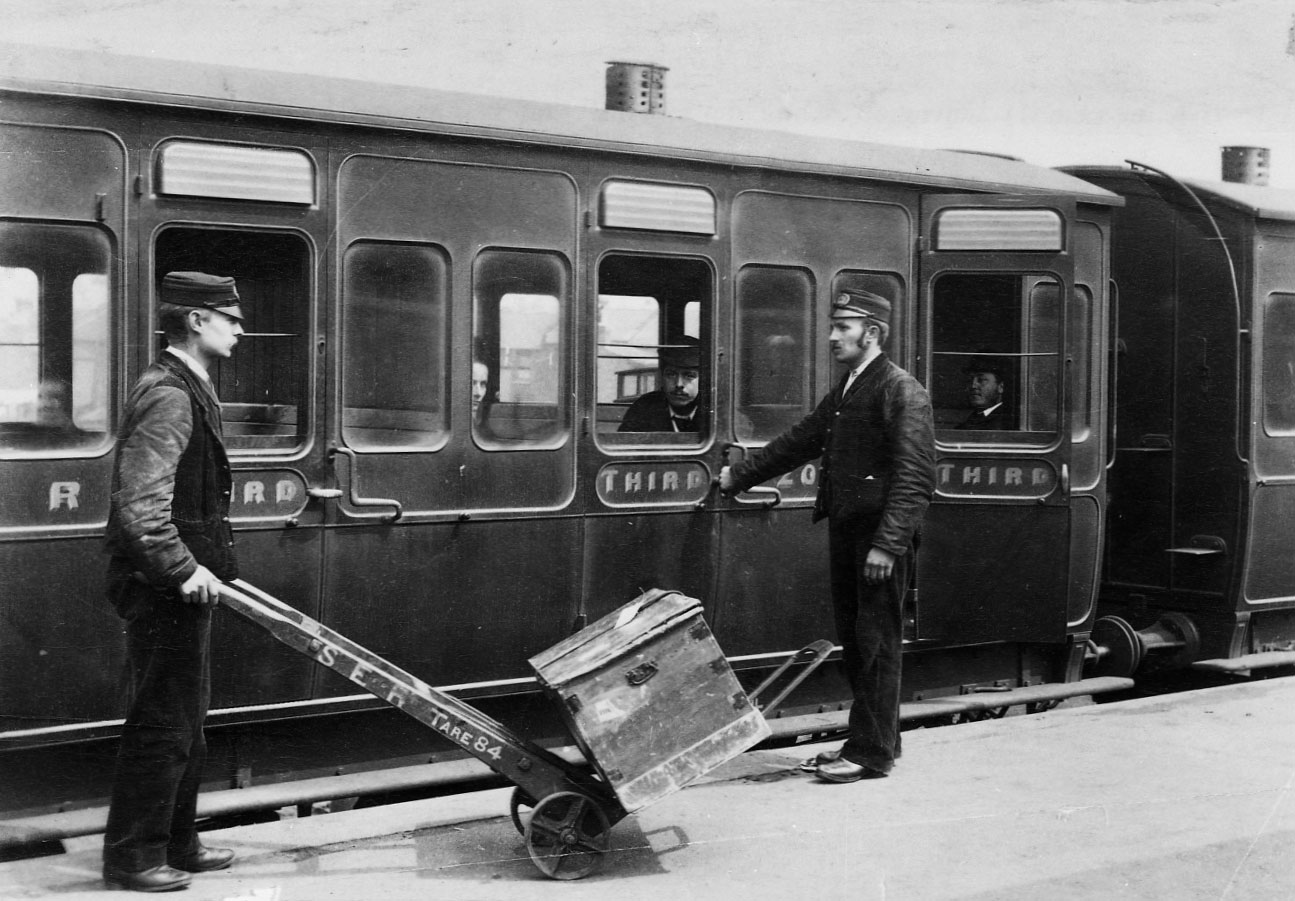
Our day at the seaside is ending. What can we do to remember our day? What have we learned about the Victorian seaside?
The following ‘tasks’ are suggested activities which you can choose from or adapt to make them suitable for your students.
Further information:
Photography
The very first photographic portraits were made in the late 1830s. Early pioneers like Louis Daguerre and Henry Fox Talbot helped to improve the technology of photography and popularise its use. By the end of the 19th century, there was a huge demand for photographic portraits. With the introduction of the Kodak Brownie in 1901, photography became available to the masses.
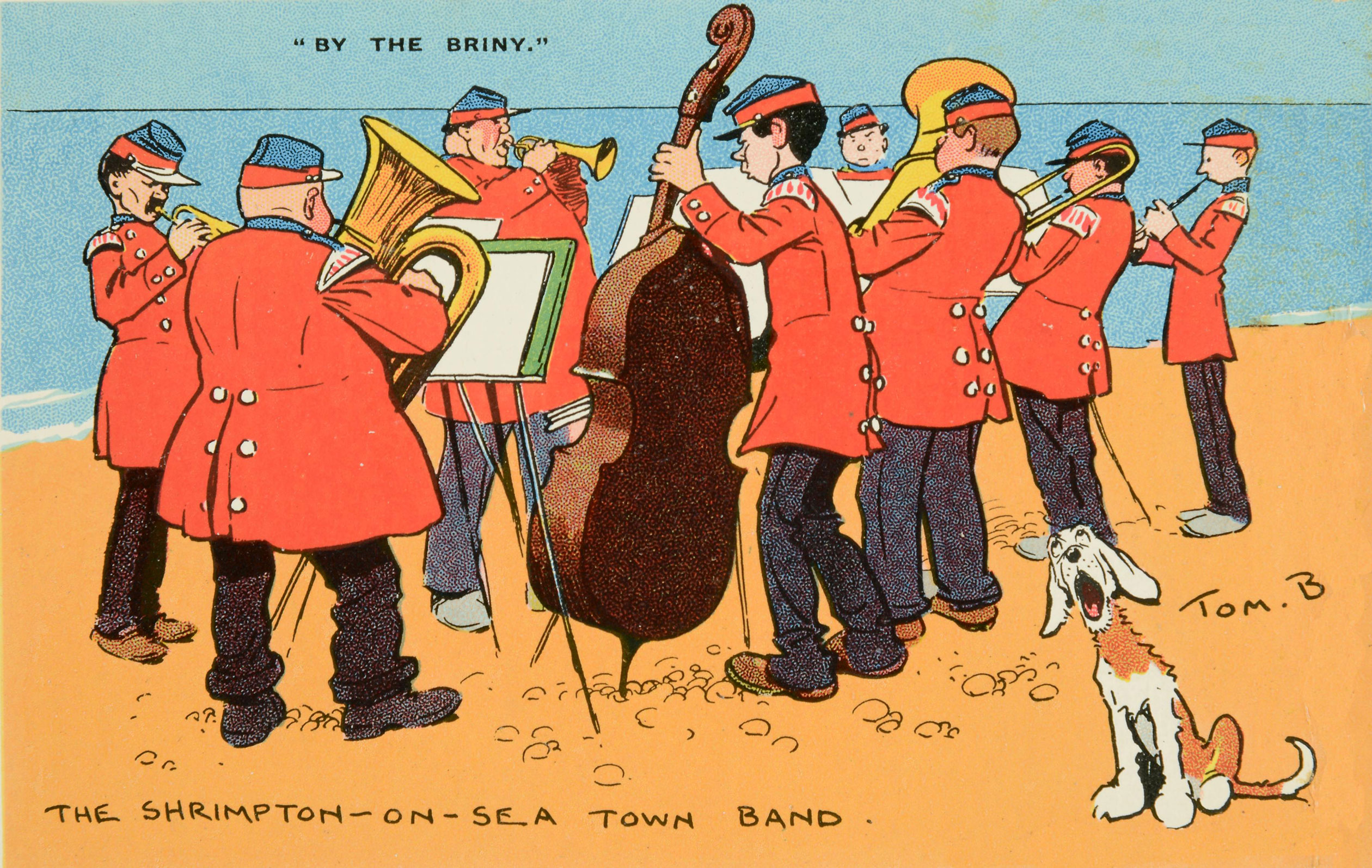
By The Briny Tom Browne 1907. Catalogue Ref: COPY1/329 (1a)
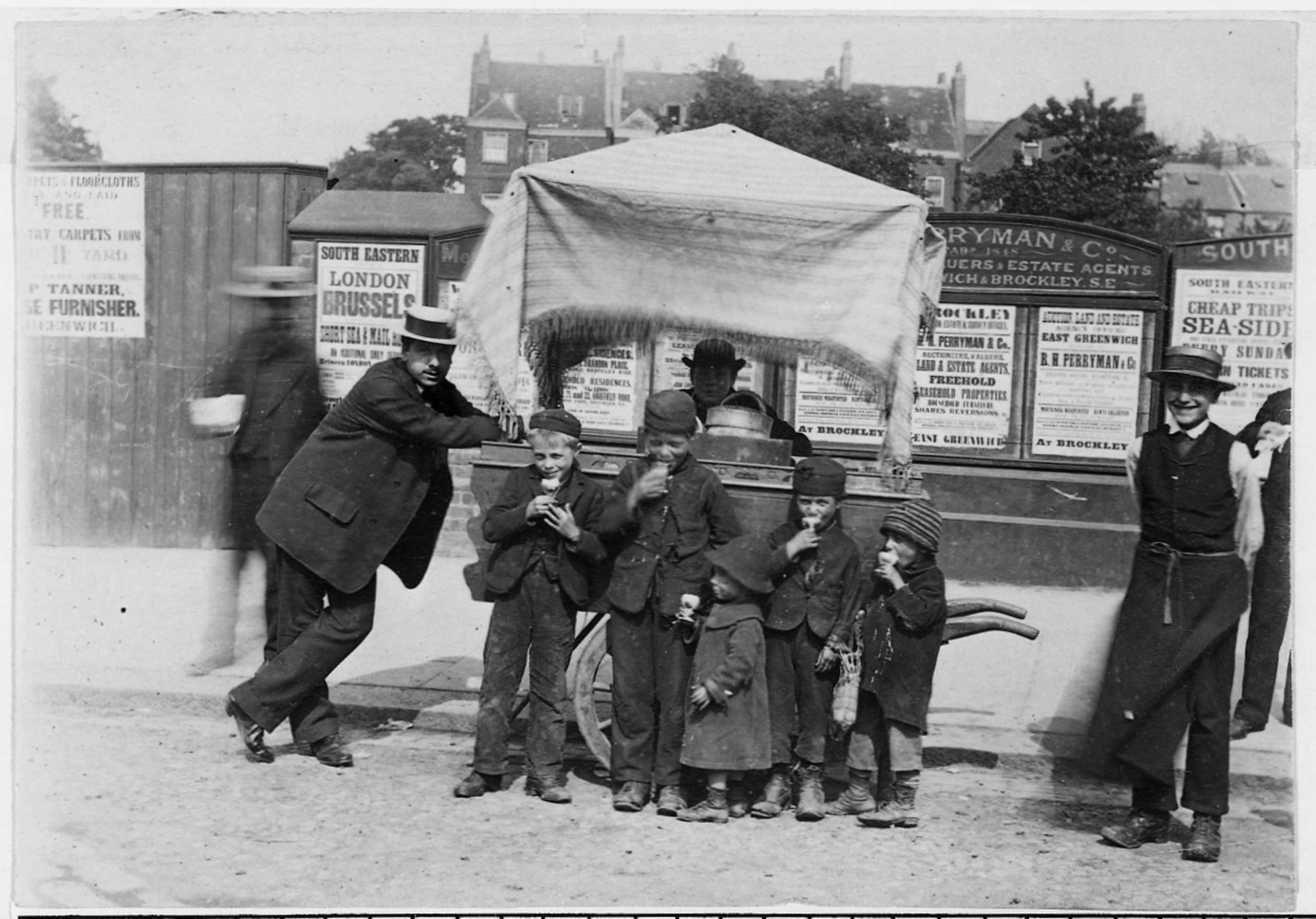
Ice cream stall Kent, 1884. Catalogue Ref: COPY1/369
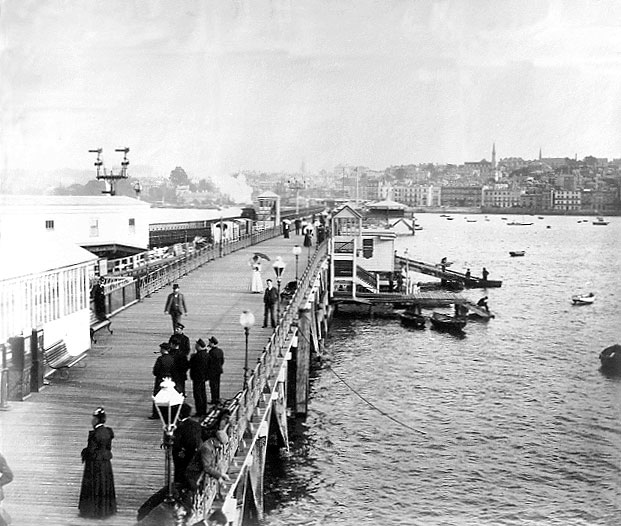
Ryde Pier, 1897. Catalogue Ref: COPY1/430
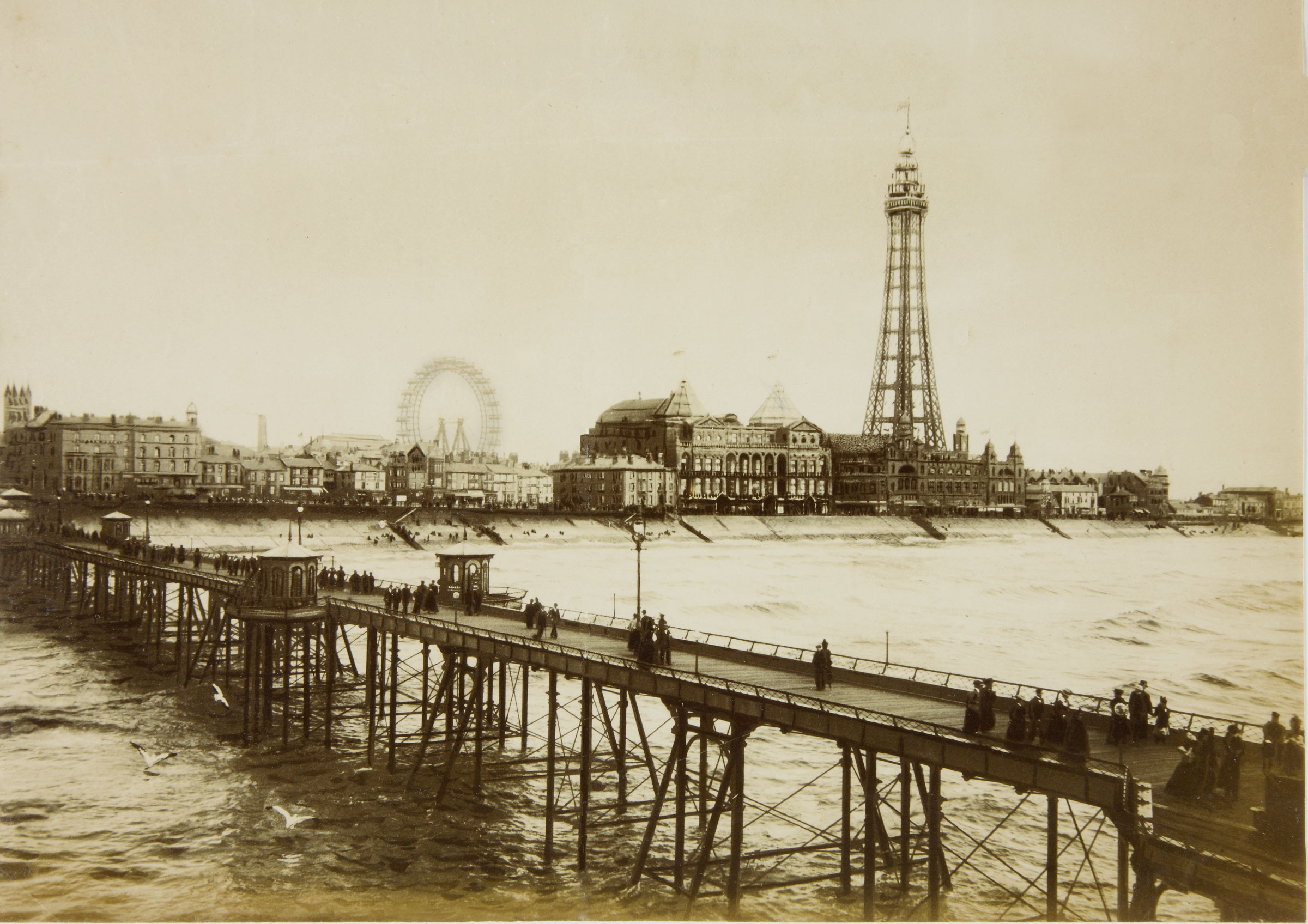
Blackpool 1899. Catalogue Ref: COPY1/440 (240)
Let’s take a walk along the pier. What activities can we do here?
The following ‘tasks’ are suggested activities which you can choose from or adapt to make them suitable for your students.
Further information:
The Pier
The first seaside piers were built in the early 19th century. They began simply as places to moor boats but soon developed into impressive feats of engineering – places where holidaymakers would go for entertainment and relaxation. The oldest pier in Britain is at Ryde on the Isle of Wight, opened in 1814. One hundred years later, there were over a hundred pleasure piers around the UK, offering fine pavilions, penny arcades, refreshment and other entertainment.
Ice Cream
By the mid-19th century, ice cream had become popular and inexpensive in Britain. Street sellers of ice cream were known as hokey-pokey men. Nobody is quite sure where the name comes from, but it was used in a chant by the vendors to sell their wares: ‘Hokey pokey penny a lump, that’s the stuff to make you jump.’ As many of the ice cream sellers were of Italian descent, the phrase may come from the Italian ‘Ecco un poco’ (‘Here’s a little piece’).
The ice cream would be sold for a penny and served in small glass cups which were returned to the vendor after use, given a quick wipe and were then ready for the next customer. More environmentally friendly than cardboard tubs, but as hygienic?
Music
‘I do like to be beside the seaside’ was written in 1907 and first recorded in 1909, making it an Edwardian rather than a Victorian song! But it reflects how popular trips to the coast were becoming by the turn of the century. Some of the less familiar verses to the song talk of saving up all year to go away, arriving in Blackpool and having a few too many glasses of wine at the station!
There were all forms of musical entertainment at the Victorian seaside – town bands, music hall shows, classical concerts and musical theatre.
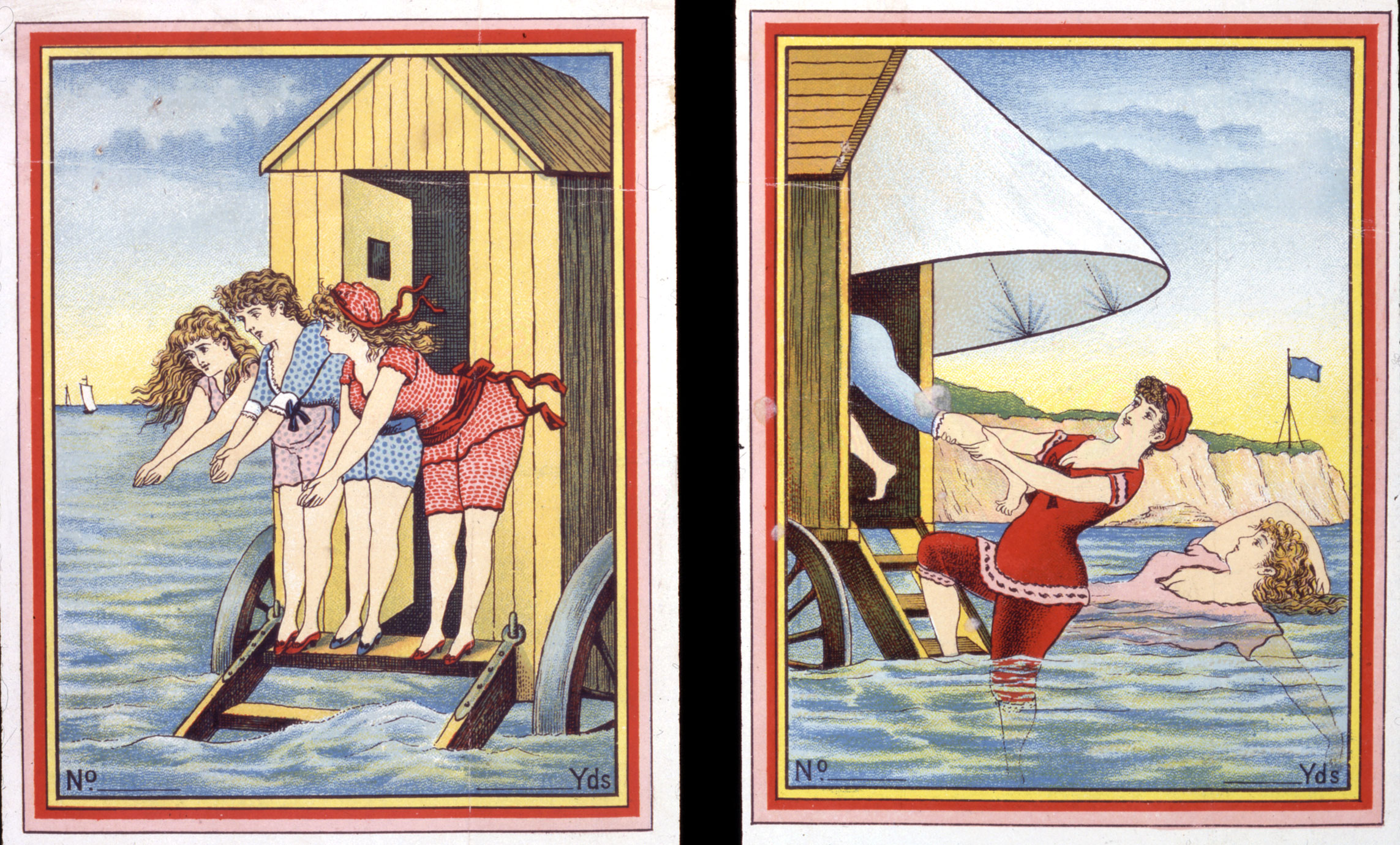
Ladies bathing from bathing carts 1890. Catalogue Ref: COPY1/91 (131-132)
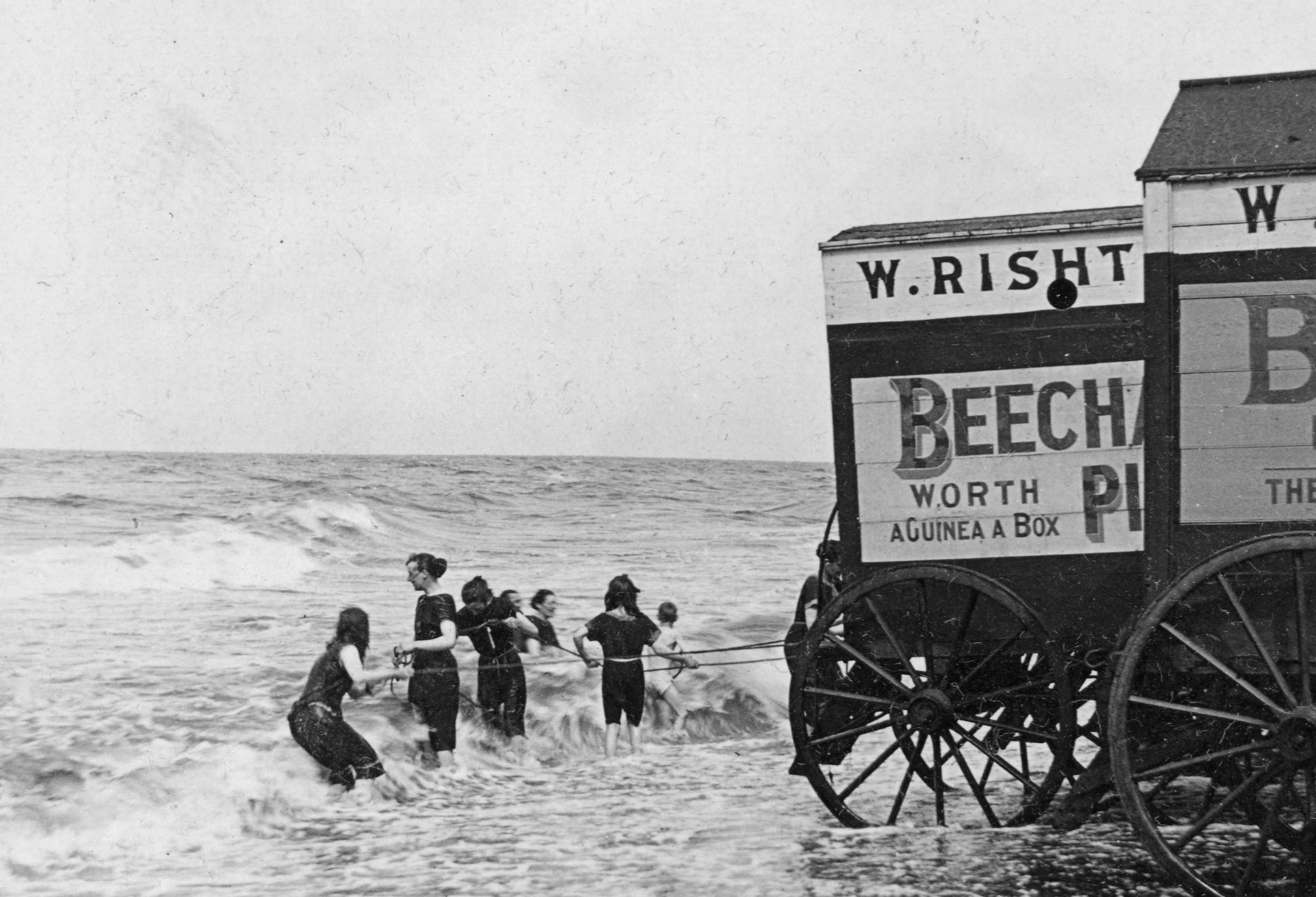
Bathing from bathing carts at Blackpool 1895. Catalogue Ref: COPY1/421 (627)
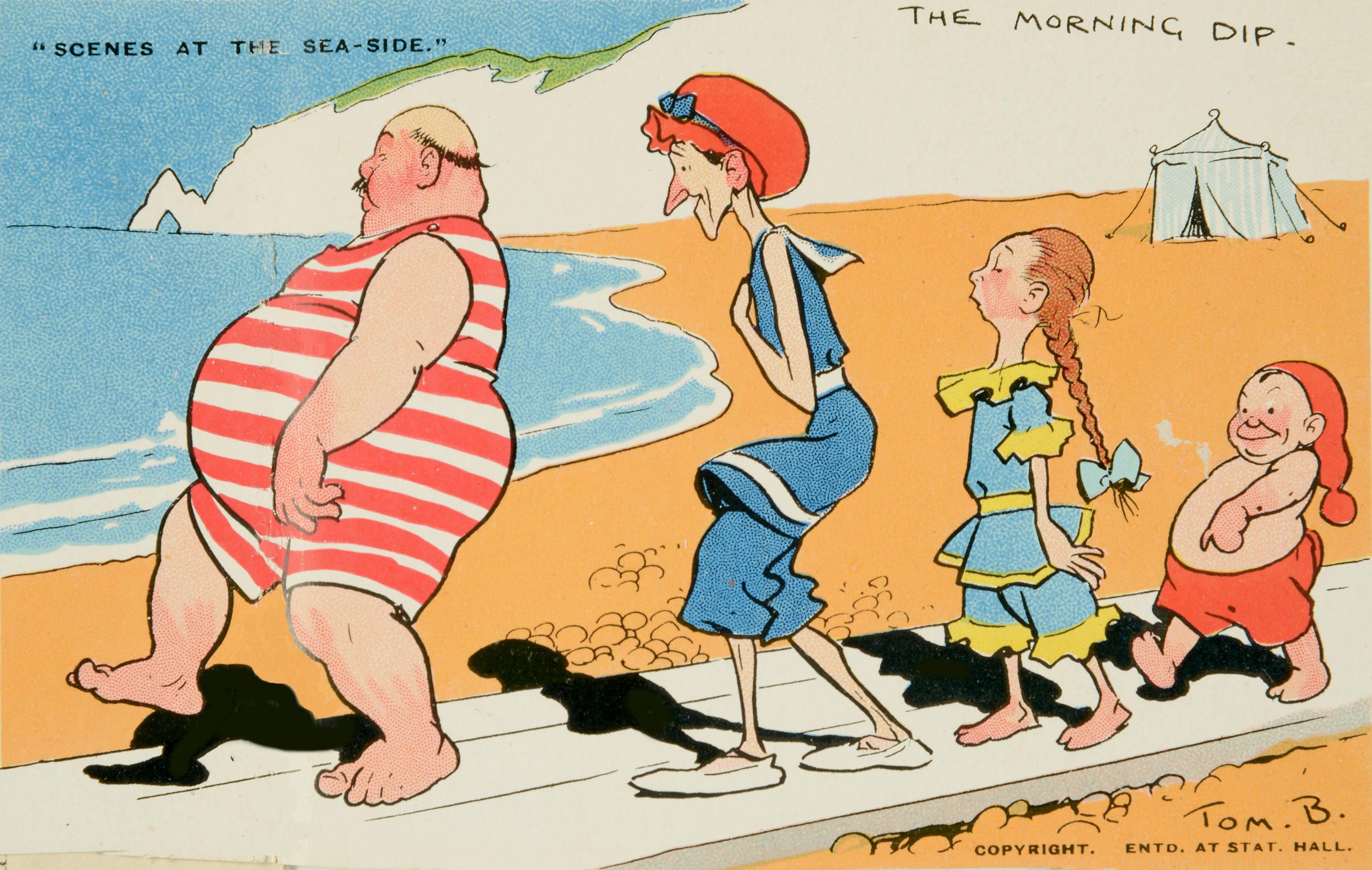
The Morning Dip Tom Browne 1907. Catalogue Ref: COPY1/329 (3f)
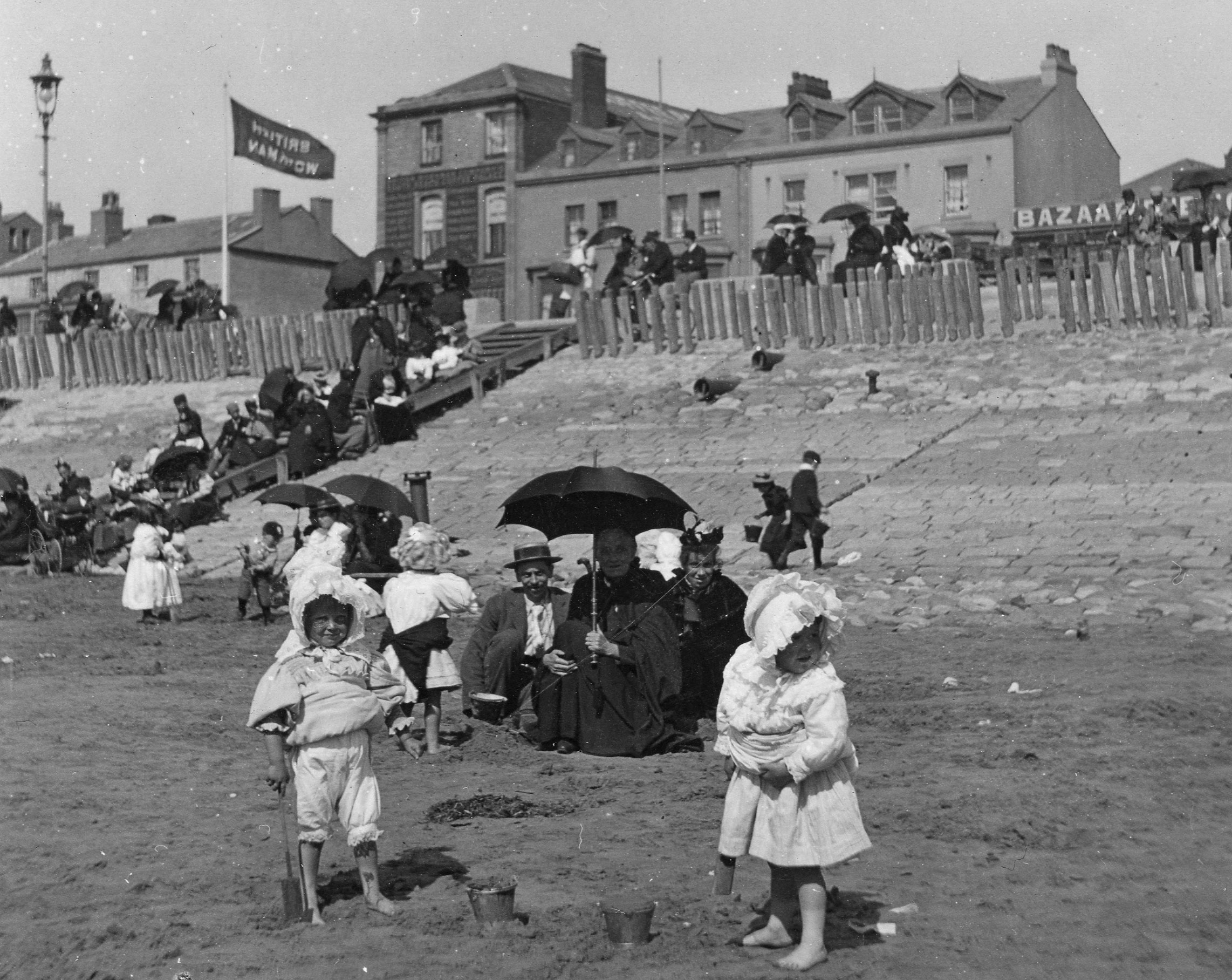
Children on the beach at Blackpool 1895. Catalogue Ref: COPY1/421 (5)