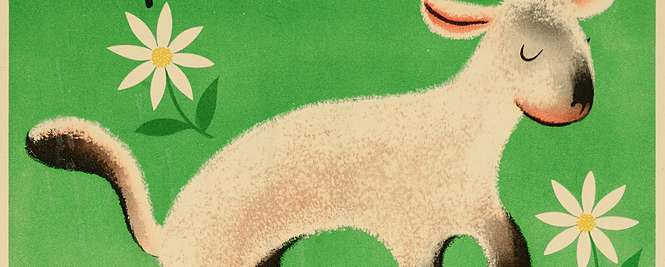
Over the last few months, my team has been busy searching through The National Archives’ image library for images related to spring, including the one above. It’s been quite an enjoyable way to spend an hour or ten. In our search, we tried to identify which pieces of artwork would appeal to the groups we work with, including those with dementia.
According to The Alzheimer’s Society, dementia describes a ‘set of symptoms that over time can affect memory, problem-solving, language and behaviour’. Our outreach work has found that visual records can provide a starting point for resurfacing memories and creating conversation for those affected by the condition. Through our sessions with those in care, we explored this further through sensory and creative activities. These focused on our visual records with seasonal themes and imagery.
These sessions are part of a larger project; we have been developing multi-sensory workshops to engage people with additional needs for over a year. This has included working with groups from Mencap, Age UK and The Alzheimer’s Society.

Participants enjoying ‘slow’ looking at some of The National Archives’ images of Autumn.
Photo: Sara Griffiths
Setting the scene
Alison Teader and Maria Harvey-Lavin, who have many years of experience working in care, have been helping us to deliver workshops for people living with dementia and their carers. Sessions are held in a variety of settings, including care homes and day centres. Typically we set the scene by playing seasonal music. Participants are invited to choose items from a range of natural objects and flowers. This involves participants in a variety of verbal and non-verbal ways to help them relax in the session. It also provides a starting point for connection.
From here, we gradually introduce a selection of large-format images from our records showing showing different aspects of the current season. We ask people to look at them and share their thoughts. In particular, we encourage slow looking; this was introduced by art galleries as a way of prompting audiences to get more out of art. It asks viewers to go beyond initial observations and really consider an image. In our sessions, slow looking enables people to look closely at the artwork and describe what thoughts, sounds and emotions come to them.
We also share information about about the time and place in which the record was created. Historical information is also provided for context about the piece and the time it was created in. Often this led to conversations about people’s childhood experiences or facts or memories prompted by the image.
A multi-sensory approach
The subject matter, colours and imagery presented to participants during the Autumn and Winter workshops resulted in a wide variety of responses. The nature-based pictures seemed to bring up powerful autobiographical memories and emotions. Many of us will know the beneficial effects of being in nature in reducing cortisol, the stress hormone. Certainly, my experience of running these sessions showed that having access to nature, through art, resonated with participants. The experience generated strong expressions from participants, and many reported feeling uplifted afterwards.
Smell is known to be closely linked to our memories. The involvement of Maria Harvey-Lavin, a qualified aromatherapist, allowed us to explore these connections between scent and memory together. During sessions, we shared fragrances related to specific images in the form of essential oils and natural objects. For example, pinecones sprinkled with spruce oil were popular in many sessions. Holding and smelling the pinecones reminded participants of forest walks and winter decorations. Based on this, we received some great feedback:
You are stirring up lovely old memories
Care home participant
Some observations and session outcomes
Some sessions also led to animated discussions within the group. One experience that stands out to me is when we invited people to choose an image that they liked and share the reason behind their choice. One gentleman selected the below image after studying it closely for a long time. He then explained that, when he looked closely at it, his fond childhood memories came rushing back. He told us that he could almost hear his friend’s laughter in the image and feel the cold snow in his hands. He also shared that seeing the image ‘had made his day’.

Hawkhurst in Winter by Hugh Speers, 1970. Catalogue reference: NSC 62/89
Some sessions also led to shared memories within the group. For example, the below fireplace image brought back many evenings spent feeling cosy indoors when the weather was cold outside. Some participants also recalled having to clear out the ashes the following morning! Others remembered the ‘Big Freeze’ of the 1960s (where the temperature across the UK stayed below freezing for weeks) and exchanged stories about their experiences.
It was lovely to see the impact our records could have in bringing people’s personal histories back to them.

When The North Winds Blow coal leaflet, artist unknown, dated 1970. Catalogue reference: COAL 20/93
Follow up and next steps
We encourage relatives, staff and volunteers to join our sessions, and suggest follow-up activities for them to try together. Based on our experience, we believe this can promote better communication and enhance wellbeing for all involved.
We are currently running a few workshops themed on Spring and thought that you might enjoy the taster activity below.
We also would welcome your suggestions as we continue to develop this initiative and hope to share more outcomes with you in the future.
Get in touch
Please share any questions, suggestions or ideas with our team through email.
Spring activity suggestion
Why not try this simple spring activity with a loved one, using an image from The National Archives’ collection?
Take time to really look at this image; think about the picture in terms of its subject matter, colours and style and what it suggests to you.

Brighton & South Coast Railway Whitsun Excursions poster. Catalogue reference: COPY 1/229 B (14)
When looking at the image, ask yourself:
- What are your first responses?
- Does this image suggest any sounds and smells?
- How would you describe the depiction of the woman in the poster?
- Have you been on a trip to the seaside or ever lived by the sea?
- Do you try to follow the path of the train towards the coast?
- How does this image make you feel?
Explore previous blog posts, including posts related to Dementia Action Week, by Sara Griffiths.