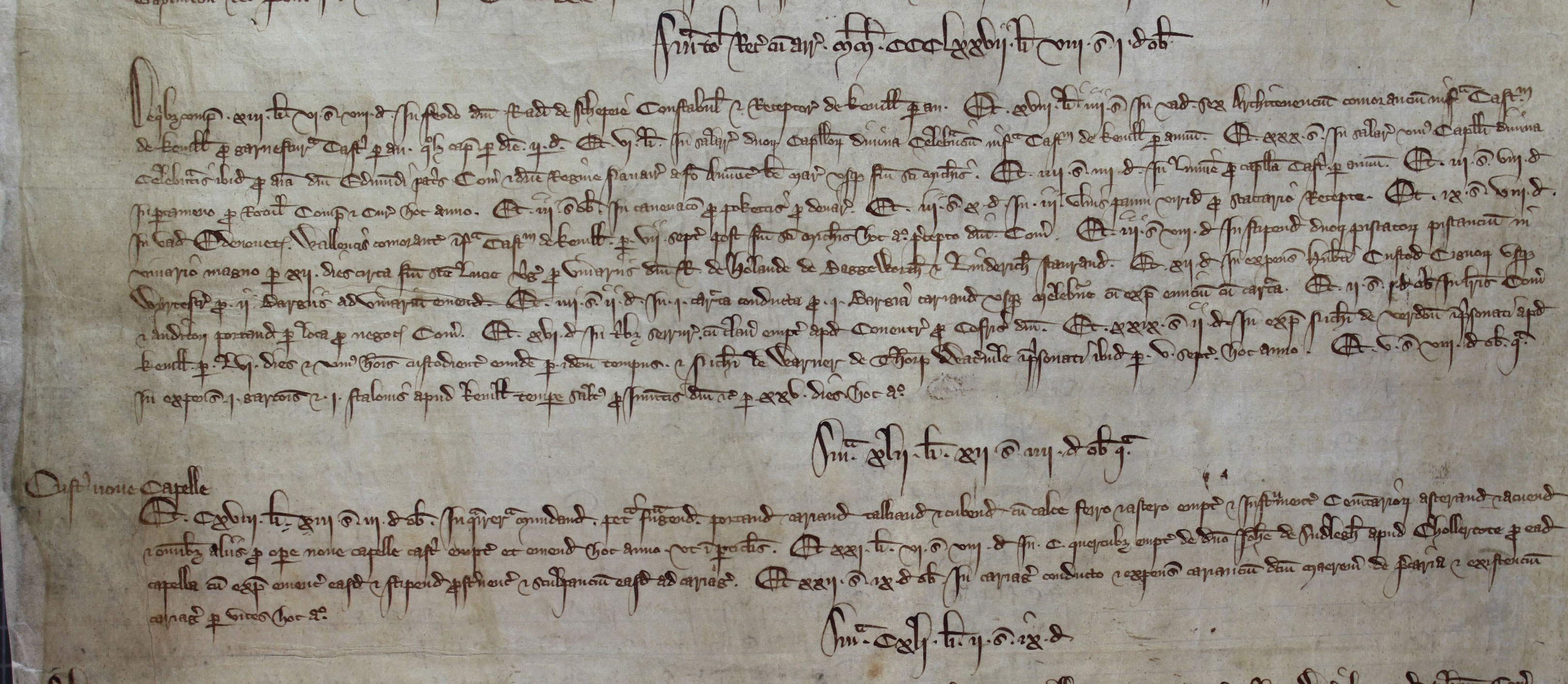
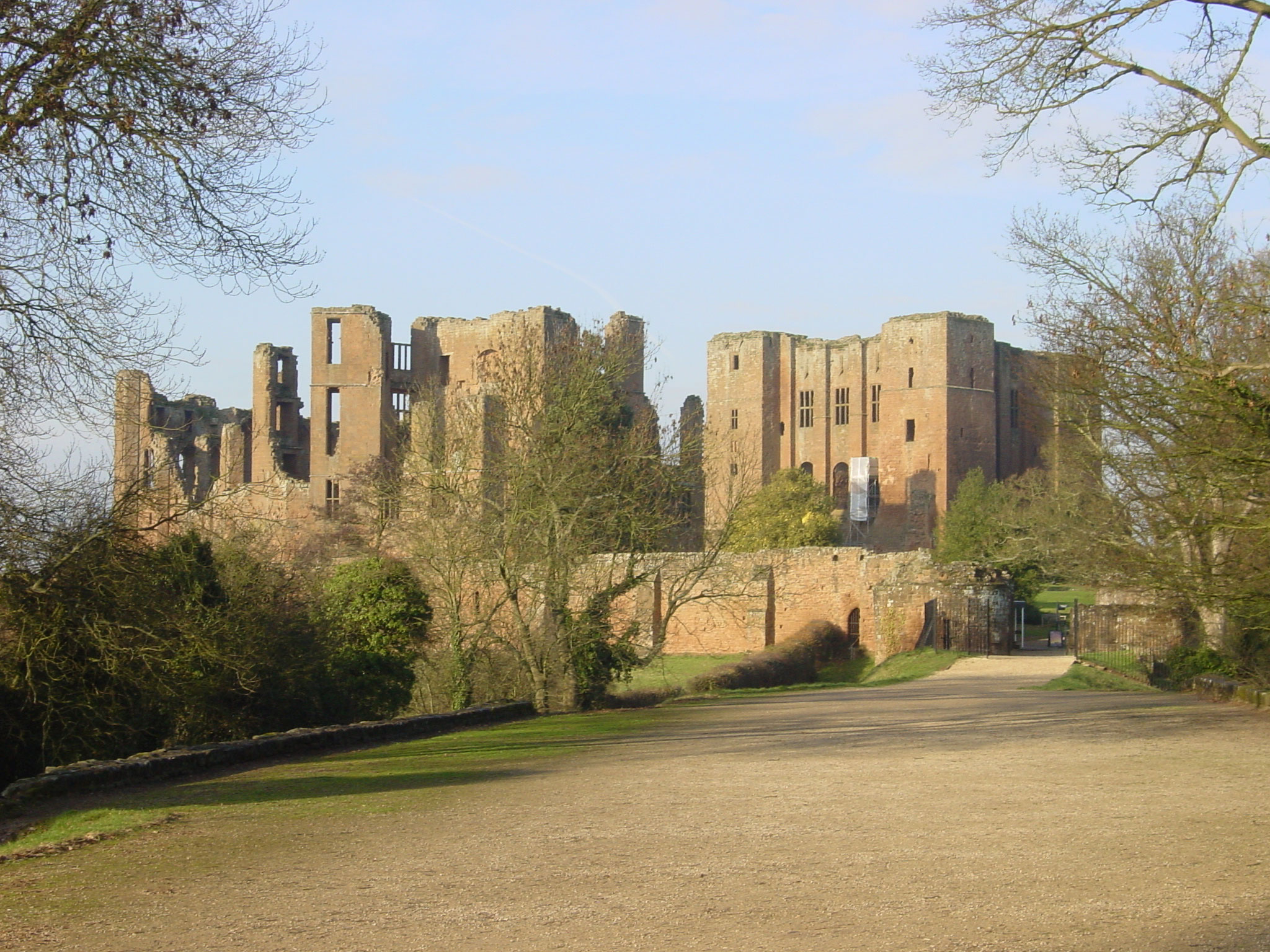
In this lesson you will use different types of original medieval records from The National Archives to explore how Kenilworth Castle functioned in times of peace and war during the ‘Middle Ages’. It aims to help you understand what you can find out about castles from written records which archaeology cannot tell you. This activity will also help you to appreciate the physical nature of the buildings in a different way from the more recent visual sources on the castle used in the starter lesson. Therefore, before attempting this lesson it is important to complete the starter lesson on Kenilworth Castle first.
What do the medieval records reveal?Kenilworth Castle in Warwickshire in the heart of England is one of the country’s largest medieval castles. Built in the twelfth century by Geoffrey de Clinton, chamberlain of King Henry I (1100-1135), the castle developed in several phases over the next four centuries. It began as a rectangular keep (about 24 metres by 18 metres) with towers at each corner. Two sides were defended by a large pool created by damming the river and the other two sides were protected by a moat. Around the keep was a large bailey in which buildings like the kitchen and stables were raised against the outer walls. This was both a defensive site and a domestic building from its origins, with weapons and armour being stored there and constant repairs needed on the buildings to make it both defensible and comfortable
By the thirteenth century, under King John, the castle was in the king’s hands again, and John surrounded the old castle with a much stronger curtain wall with towers, spending the enormous sum of £2000 on the works. This is the equivalent to about £1.5m in today’s money. Despite this investment neither John (1199-1216) nor his son Henry III (1216-1272) paid much attention to the castle, and it fell into disrepair – the great chamber, for example, lost its roof. But in 1244 Henry made his brother-in-law Simon de Montfort, earl of Leicester, keeper of the castle, and then in 1253 finally presented the castle to him and Simon’s wife, the king’s sister Eleanor. Simon strengthened the castle to such an extent that the garrison survived a long siege by the king’s army at the end of the Barons’ War in 1366.
The defeat of Simon de Montfort brought Kenilworth Castle back permanently into the hands of the royal family. Henry III granted it to his second son Edmund, earl of Lancaster, and in 1279 Edmund had a very famous ‘Round Table’ tournament. Edmund’s son Thomas undertook many important building works in the castle including a new chapel in the castle for worship. Like Simon de Montfort, Thomas rebelled against the king, his cousin King Edward II (1307-1327), and Kenilworth was captured for the king in 1322, with some inside the castle being punished. It was ironic that Thomas’ brother, Henry earl of Lancaster, held King Edward prisoner there during 1326 and 1327 after his capture by his enemies and then during and after the parliament which forced the king to abdicate his throne.
Later earls of Lancaster adopted the title duke, notably John of Gaunt, the third surviving son of King Edward III who married Blanche, grand-daughter of Earl Henry and who gained Kenilworth in 1361. Gaunt spent lots of money on repair of the castle and then making it into a palace fit for a prince. The building works include the magnificent Great Hall, the location for feasting and display. In 1399 Gaunt’s son Henry seized the throne from Richard II and the duchy of Lancaster came directly to the crown. In the early fifteenth century a so-called ‘pleasure-house’ (Pleasunce Marys) was built outside the castle.
In the Tudor period, after the Wars of the Roses, King Henry VIII demolished the pleasure-house and used its materials to build new towers and structures within Kenilworth Castle. Finally, in 1563, Queen Elizabeth I (1558-1603) granted the castle to her favourite Robert Dudley, later earl of Leicester, restoring a grant made to John, the earl’s father, in 1553. Like several of his predecessors Robert made significant alterations to bring the castle up to date with the latest architectural fashions. These included new windows, the laying out of pleasure gardens and remodelling of the gatehouse.
Kenilworth Castle, then, was at times in its history a popular residence for kings, princes and their families, but often fell out of favour and had to be repaired or remodelled. It became part of the domestic life of the royal family across many generations. For that reason, it also became a focus for rebellion and conflict during times of national crisis and civil war and changed hands several times.
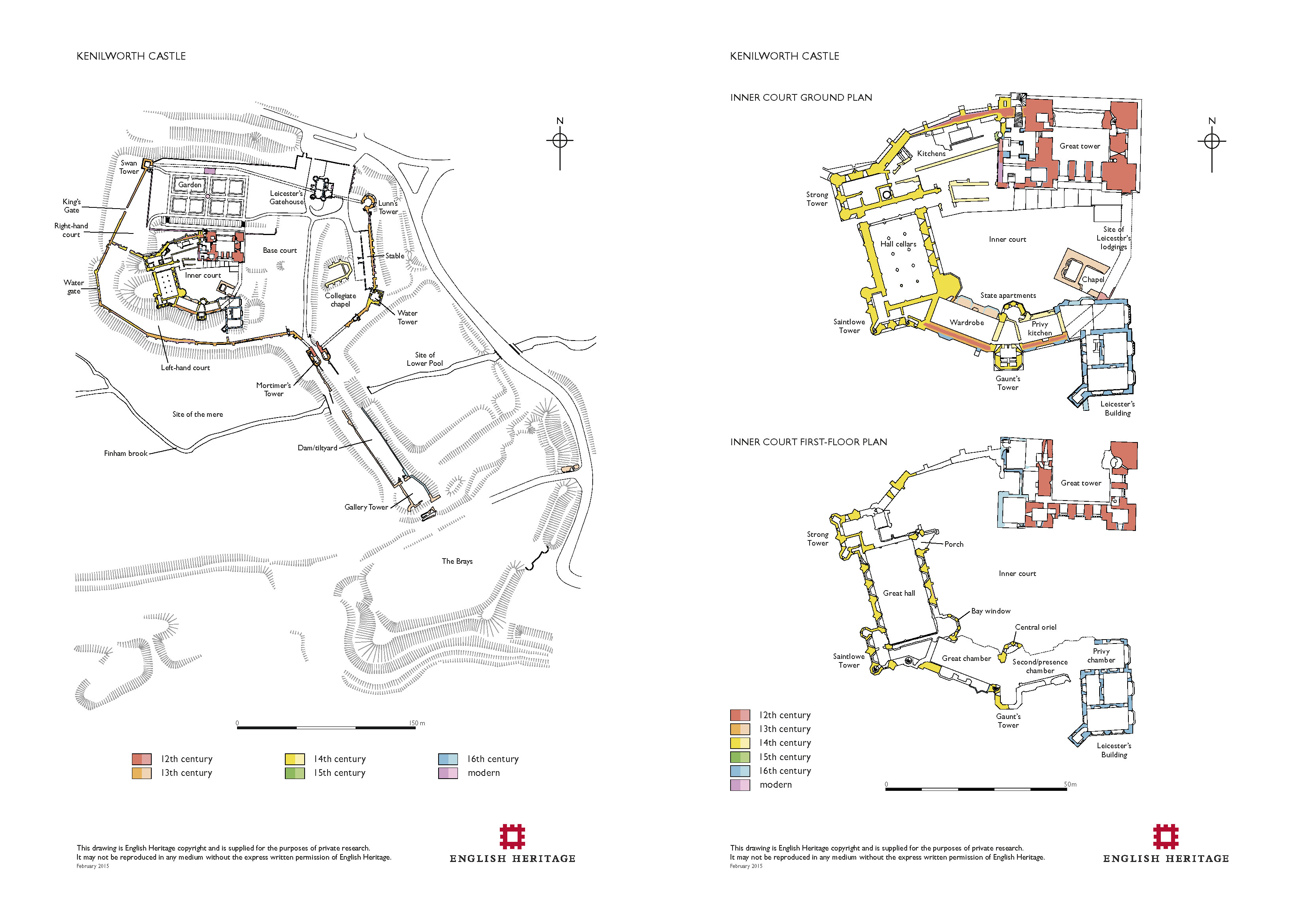
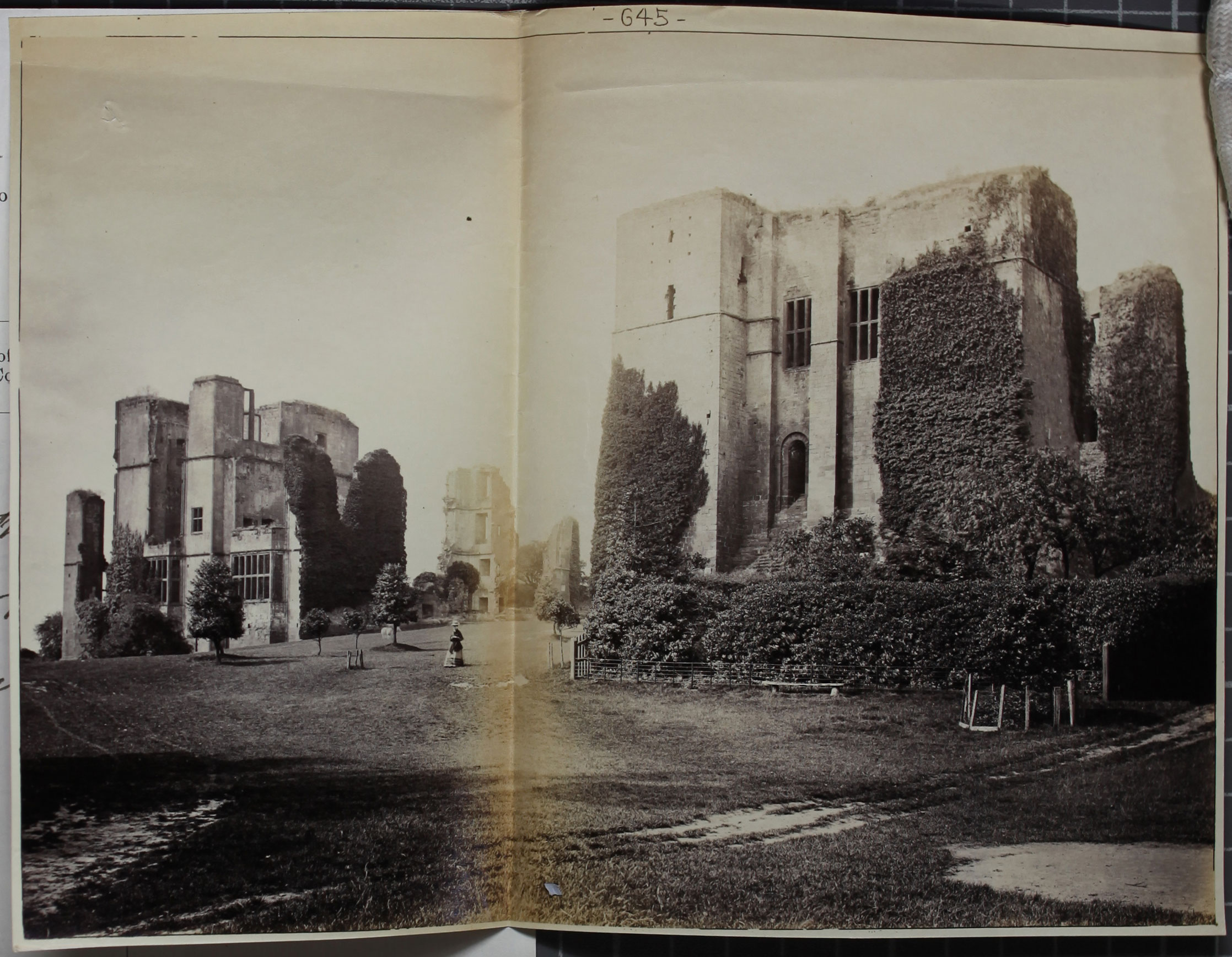
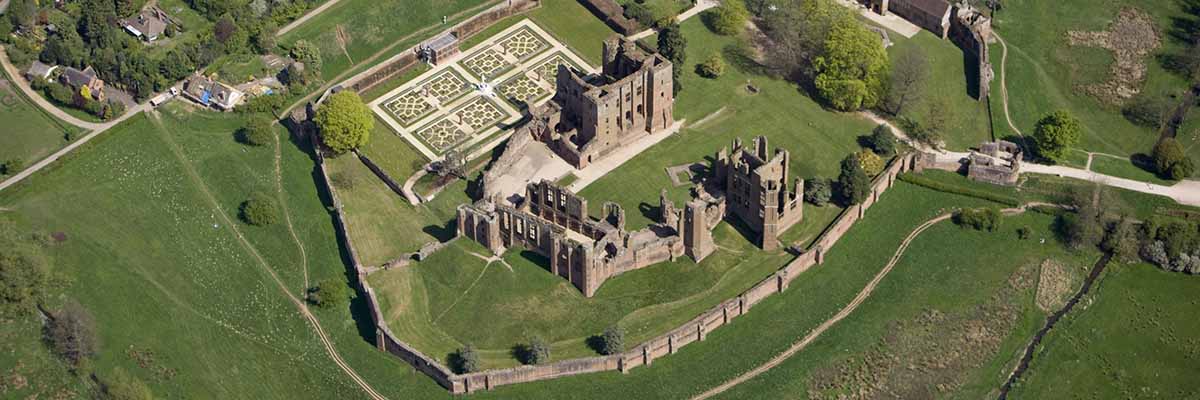
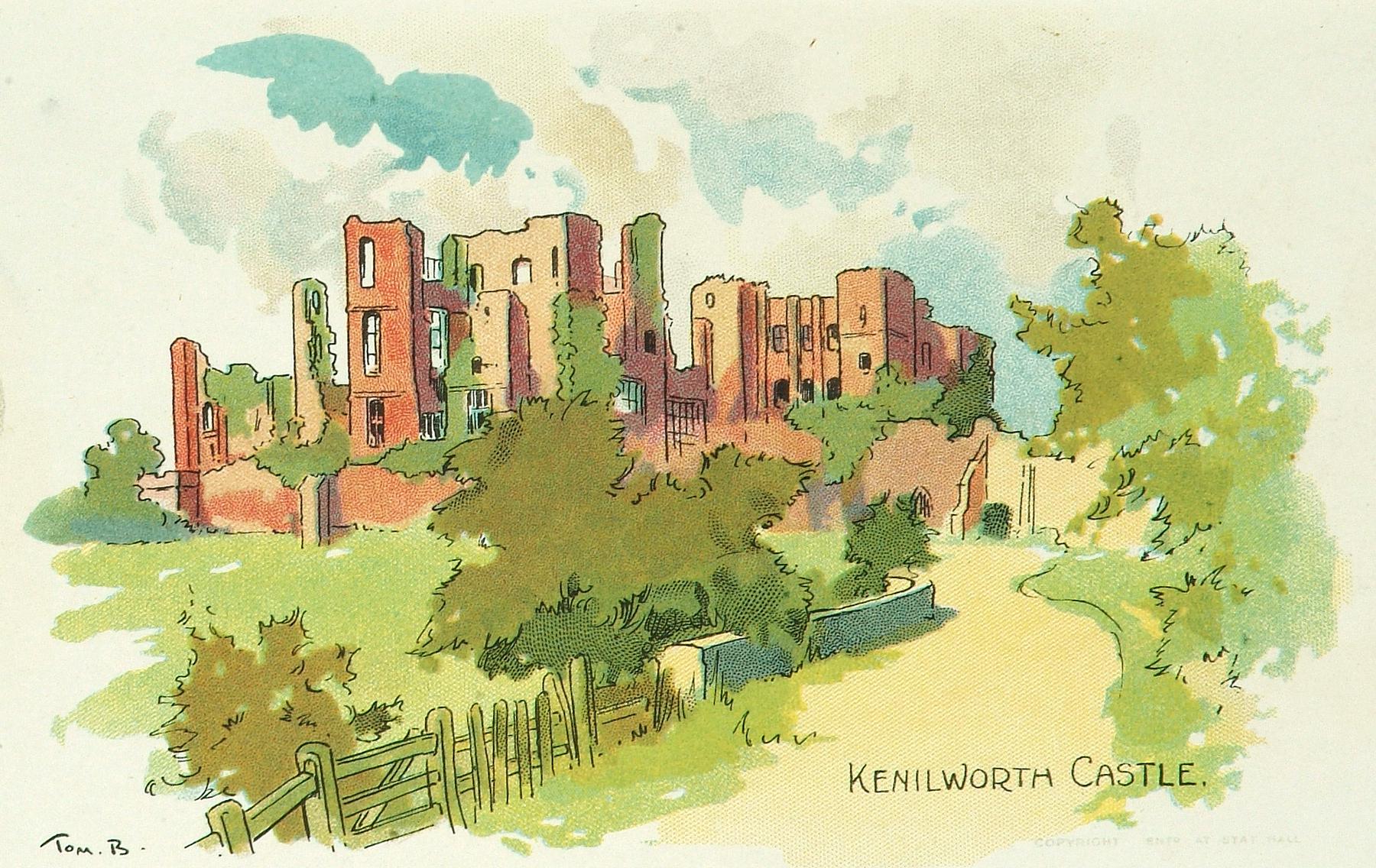
This starter lesson will introduce you to Kenilworth Castle using visual sources from more recent times. There is a postcard from 1903, a modern aerial photograph, a Victorian photograph and some modern plans of the castle which show change over time to its buildings. Once you have finished this activity, attempt our lesson on Kenilworth Castle which is based on original medieval documents.
What can you tell from an image?Kenilworth Castle in Warwickshire in the heart of England is one of the country’s largest medieval castles. Built in the twelfth century by Geoffrey de Clinton, chamberlain of King Henry I (1100-1135), the castle developed in several phases over the next four centuries. It began as a rectangular keep (about 24 metres by 18 metres) with towers at each corner. Two sides were defended by a large pool created by damming the river and the other two sides were protected by a moat. Around the keep was a large bailey in which buildings like the kitchen and stables were raised against the outer walls. This was both a defensive site and a domestic building from its origins, with weapons and armour being stored there and constant repairs needed on the buildings to make it both defensible and comfortable
By the thirteenth century, under King John, the castle was in the king’s hands again, and John surrounded the old castle with a much stronger curtain wall with towers, spending the enormous sum of £2000 on the works. This is the equivalent to about £1.5m in today’s money. Despite this investment neither John (1199-1216) nor his son Henry III (1216-1272) paid much attention to the castle, and it fell into disrepair – the great chamber, for example, lost its roof. But in 1244 Henry made his brother-in-law Simon de Montfort, earl of Leicester, keeper of the castle, and then in 1253 finally presented the castle to him and Simon’s wife, the king’s sister Eleanor. Simon strengthened the castle to such an extent that the garrison survived a long siege by the king’s army at the end of the Barons’ War in 1366.
The defeat of Simon de Montfort brought Kenilworth Castle back permanently into the hands of the royal family. Henry III granted it to his second son Edmund, earl of Lancaster, and in 1279 Edmund had a very famous ‘Round Table’ tournament. Edmund’s son Thomas undertook many important building works in the castle including a new chapel in the castle for worship. Like Simon de Montfort, Thomas rebelled against the king, his cousin King Edward II (1307-1327), and Kenilworth was captured for the king in 1322, with some inside the castle being punished. It was ironic that Thomas’ brother, Henry earl of Lancaster, held King Edward prisoner there during 1326 and 1327 after his capture by his enemies and then during and after the parliament which forced the king to abdicate his throne.
Later earls of Lancaster adopted the title duke, notably John of Gaunt, the third surviving son of King Edward III who married Blanche, grand-daughter of Earl Henry and who gained Kenilworth in 1361. Gaunt spent lots of money on repair of the castle and then making it into a palace fit for a prince. The building works include the magnificent Great Hall, the location for feasting and display. In 1399 Gaunt’s son Henry seized the throne from Richard II and the duchy of Lancaster came directly to the crown. In the early fifteenth century a so-called ‘pleasure-house’ (Pleasunce Marys) was built outside the castle.
In the Tudor period, after the Wars of the Roses, King Henry VIII demolished the pleasure-house and used its materials to build new towers and structures within Kenilworth Castle. Finally, in 1563, Queen Elizabeth I (1558-1603) granted the castle to her favourite Robert Dudley, later earl of Leicester, restoring a grant made to John, the earl’s father, in 1553. Like several of his predecessors Robert made significant alterations to bring the castle up to date with the latest architectural fashions. These included new windows, the laying out of pleasure gardens and remodelling of the gatehouse.
Kenilworth Castle, then, was at times in its history a popular residence for kings, princes and their families, but often fell out of favour and had to be repaired or remodelled. It became part of the domestic life of the royal family across many generations. For that reason, it also became a focus for rebellion and conflict during times of national crisis and civil war and changed hands several times.