Archives of IT (AIT)
AIT curated and published the personal stories of 21 former workers of the Digital Equipment Corporation (DEC) on their website as part of a collaboration with Reading Museum’s Digital Revolution project and The National Museum of Computing. DEC became known for its pioneering design and production of the minicomputer through its Programmed Data Processor line. In 1988, it was named the second largest computer company in the world.
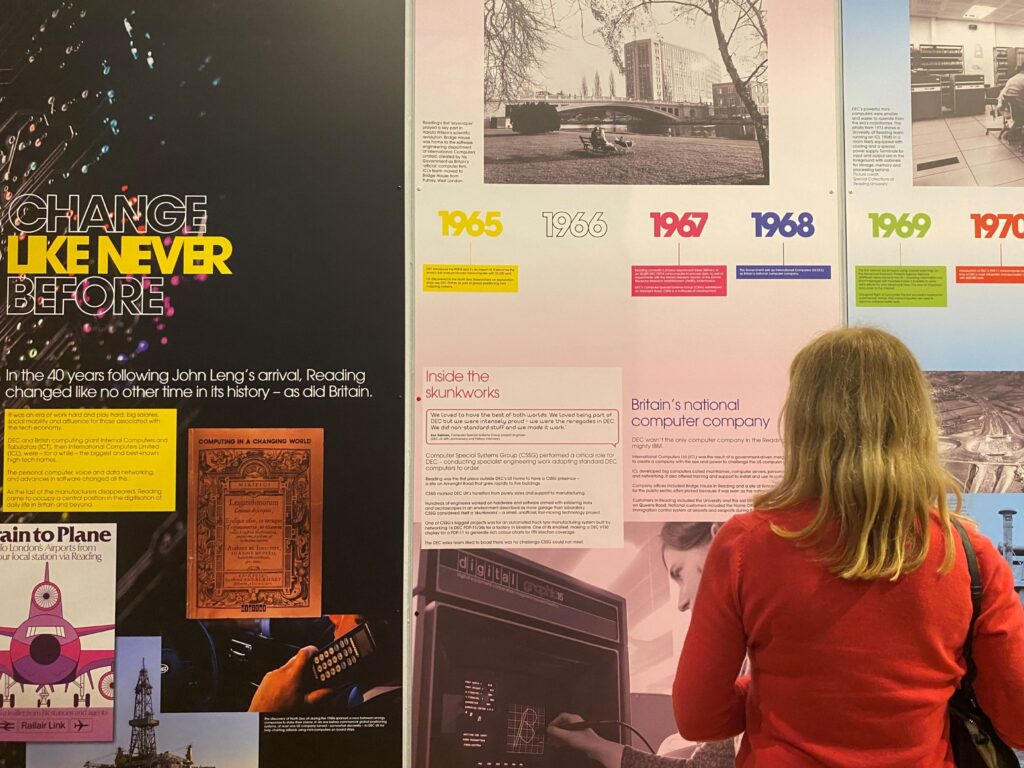
Image credit: Archives of IT
The Box Plymouth
In 2023, The Box launched Reimagining the Film Archive, supported by the BFI Screen Heritage Fund, Plymouth City Council, and Arts Council England. This transformative programme has created new roles, mentoring opportunities, and greater inclusion of volunteers and researchers from underrepresented communities. Film archive content has inspired artistic, educational, and community-led projects, introducing new perspectives and shaping more inclusive approaches to film archiving. The Box has also adopted low-carbon digital and analogue preservation workflows, leading to greater sustainability.
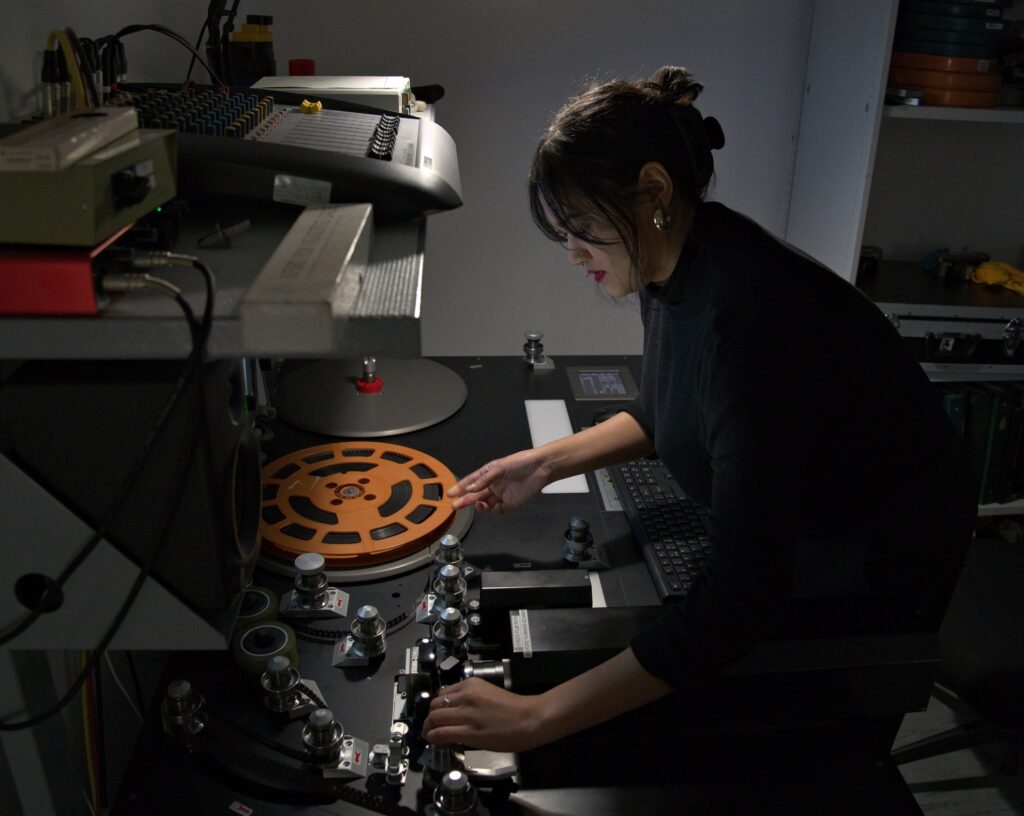
Image credit: The Box Plymouth
Dorset History Centre (DHC)
DHC made The Thomas Hardy archive searchable and discoverable via an online catalogue for the first time, opening up the world’s largest collection of material relating to Hardy for a new generation of researchers. DHC formed partnerships with several organisations to execute the project, supervised a National Trust intern to examine and interpret the papers for presentation, and arranged show-and-tell talks for stakeholders, students, and members of the public.
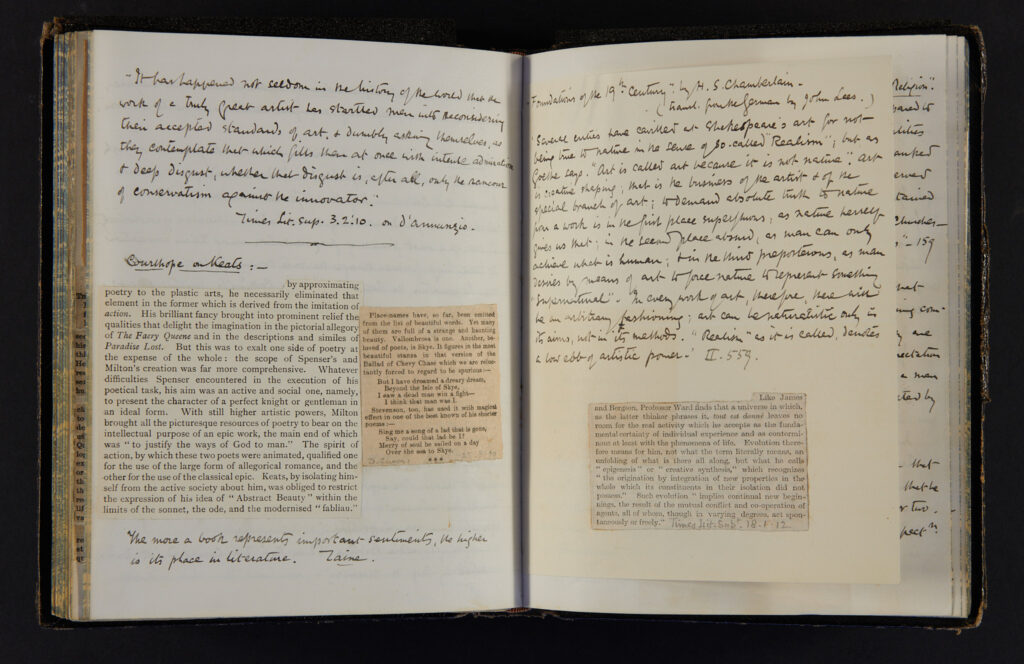
Image credit: Dorset Museum & Art Gallery, held by Dorset History Centre. D-HAR/A/5/4
Gloucestershire Archives
Gloucestershire Archives took a holistic ‘green’ approach to reducing their environmental footprint through their two-year ‘Green Pledge Project’. They catalogued environmental archives, trained staff and a new archives apprentice, co-created green themed activities and exhibitions, provided volunteer opportunities, and ran a public pledge campaign. This work was funded by the National Lottery Heritage Fund’s Dynamic Collections scheme and Salix which provided supplementary funding to install solar panels.
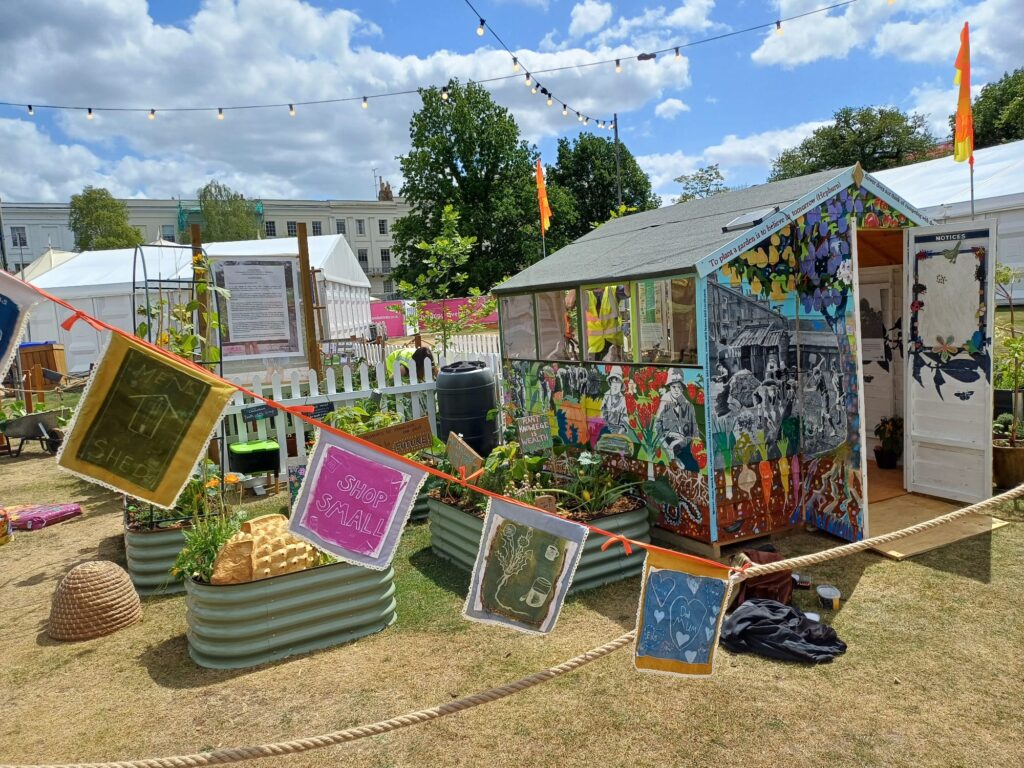
Image credit: Gloucestershire County Council
Historic England Archive (HEA)
HEA commemorated the 80th anniversary of D-Day by publishing photographs from their Knicky Chapman Collection, which capture the pioneering but little-known role women played in military photography during the Second World War, specifically documenting the Women’s Auxiliary Air Force personnel who undertook specialist training at the RAF No. 2 School of Photography in Blackpool. The series was catalogued and over 150 photographs were digitised and made available to view online.
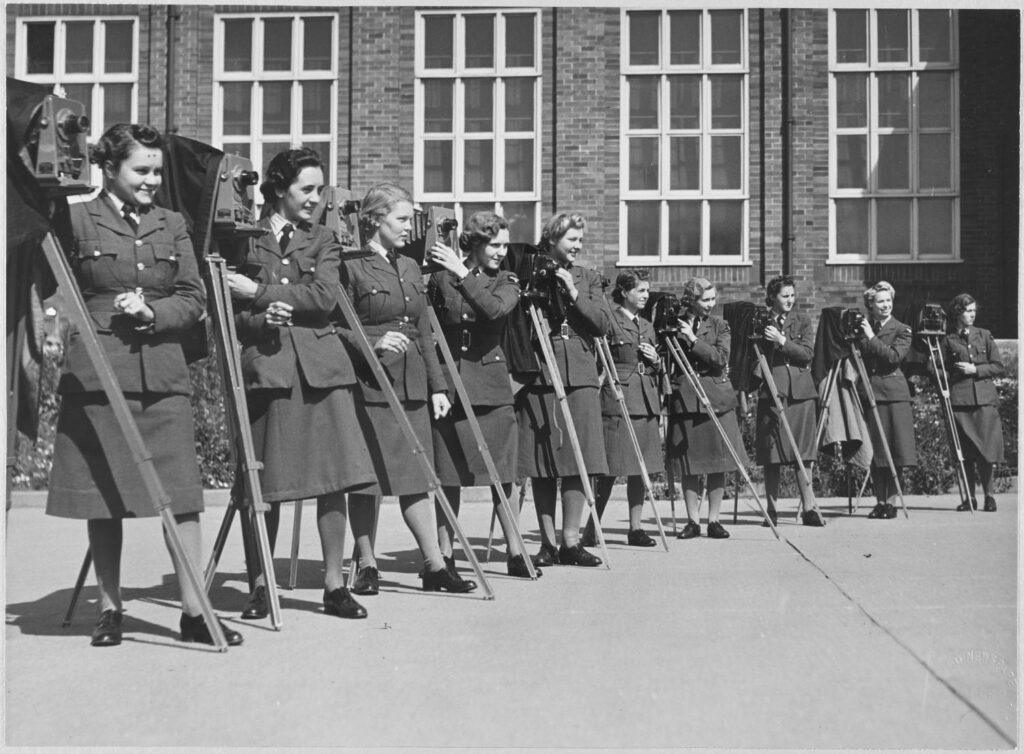
Image credit: Source: Historic England Archive. CHP01/07/01/005
Kent Archives and Local History Service
Kent Archives collaborated with inclusive arts practitioner, Elaine Foster-Gandey, and Nepalese artist, Pabitra Ale, by hosting ‘Hope – weaving Communities Together’. The display included a sleeve from Elaine’s Hope Dress made from upcycled fabric and decorated with strips of fabric featuring words of hope written by participants of Elaine’s workshops. Pabitra’s art included her painted picture-books chronicling her life story from Nepal to Maidstone and her community’s experience of Lockdown respectively.
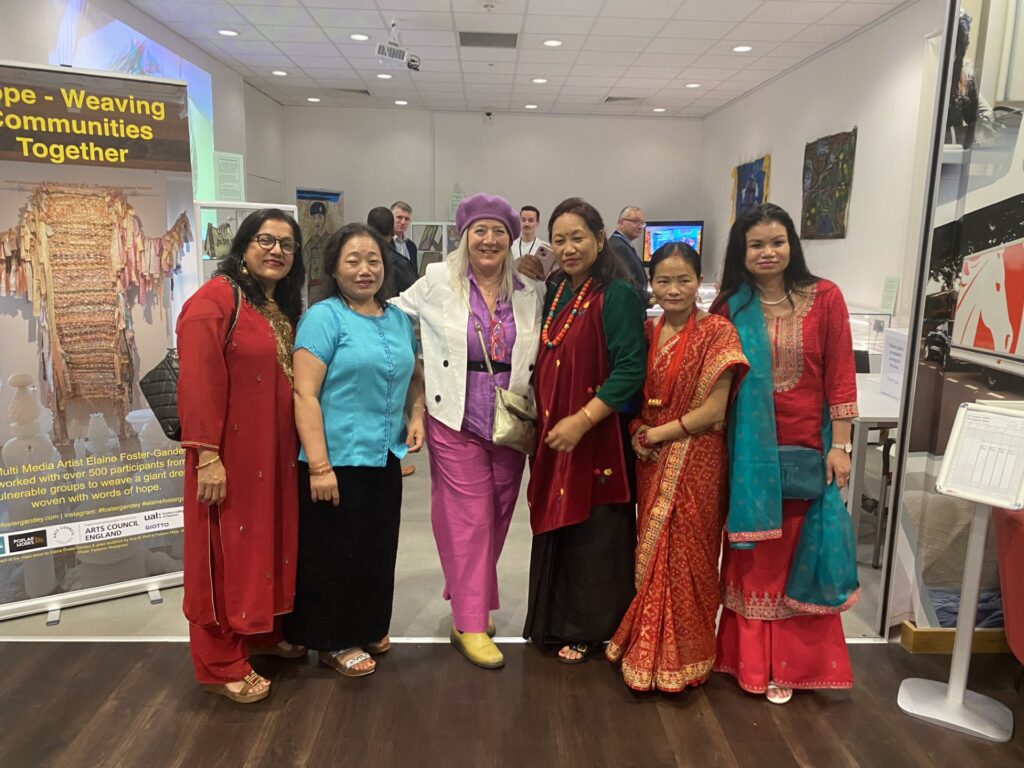
Image credit: Kent Archives and Local History Service
Oxford University Museum of Natural History (OUMNH)
With funding from Archives Revealed, OUMNH assigned a Project Archivist to catalogue the William Buckland archive. Consequently, they staged an exhibition called ‘Breaking Ground’ and ran a related programme of public events using the archive material, including tours, talks, a dino-themed Late Night, and an escape room. This brought in new audiences and inspired conversations on gender, unsung characters and colonialism, while highlighting the power of archives in a museum traditionally focused on specimens.
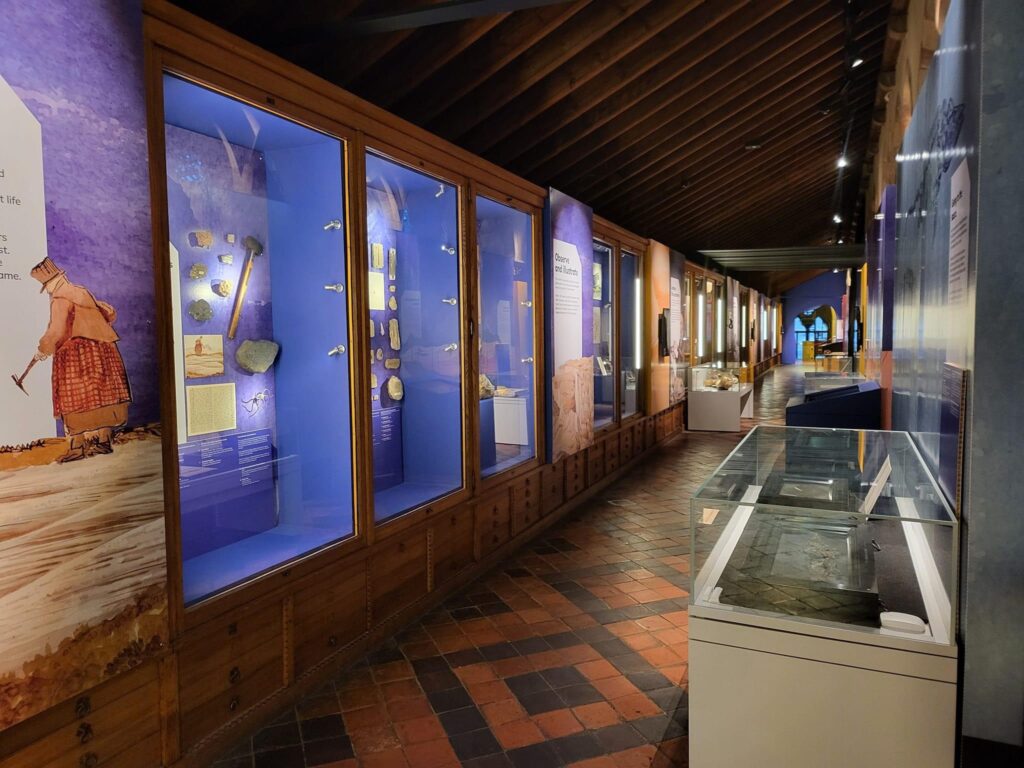
Image credit: Oxford University Museum of Natural History
University of Bristol (UoB) Theatre Collection
UoB ran workshops for Graphic Design undergraduates from the University of the West of England using the Welfare State International (WSI) archive. The students, all archive novices, designed and produced interpretation material for an imagined WSI exhibition. Inspired by posters, photographs, song lyrics, drawings and newsletters, their final work took the form of bunting, lanterns, written dance steps and some were even set alight, reflecting the spirit of WSI.
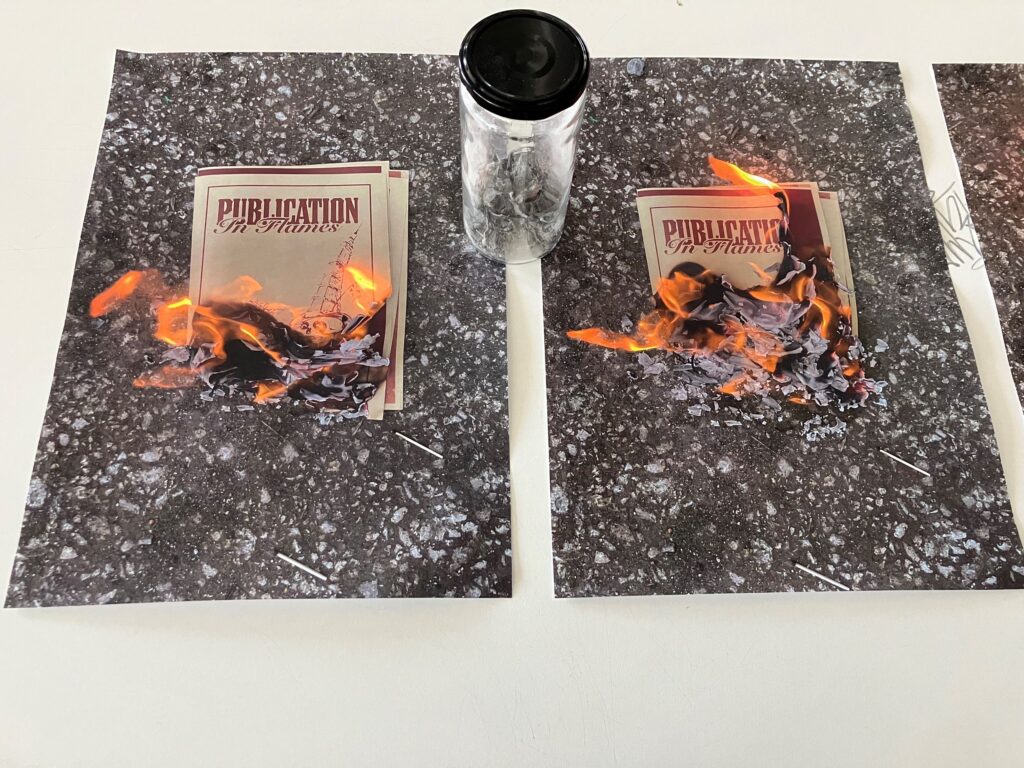
Image credit: University of the West of England (UWE)