Believe In Me CIC
‘Indian Women and War,’ a project funded by National Lottery Heritage Fund, saw the social enterprise, Believe in Me CIC, work with young people and women from marginalised communities to explore the stories of Indian women’s contribution towards the Second World War. The project enabled them to engage with history from the countries they have ties to and inspired many of them to undertake further research.
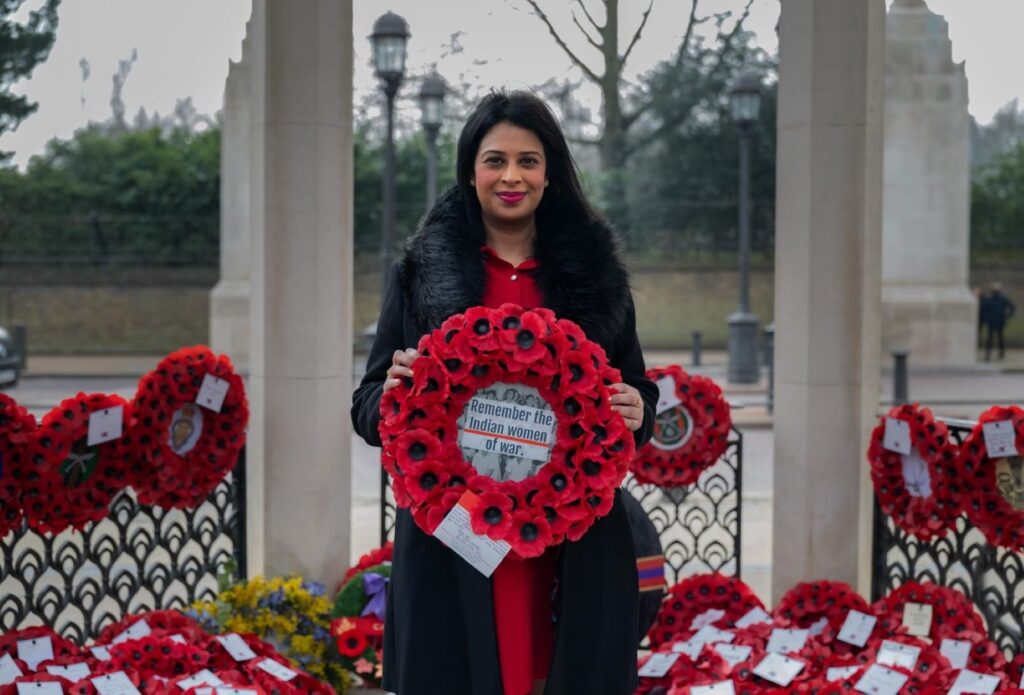
Image credit: Believe in Me CIC
Birmingham People’s History Archive (BPHA)
BPHA welcomed over 70 visitors to their Birmingham Heritage Week 2024 tour, exhibition and interactive roleplay about Birmingham’s dramatic 1945 General Election result and post-war reconstruction. They held talks on trade unionism, Chartism, and Britain’s apprenticeship system, and produced two magazines. Visiting researchers included OX-BOY, filmmakers who used BPHA’s Indian Workers Association collection for their film festival documentary about desi pubs which were historic west midlands community meeting places and centres of activism.
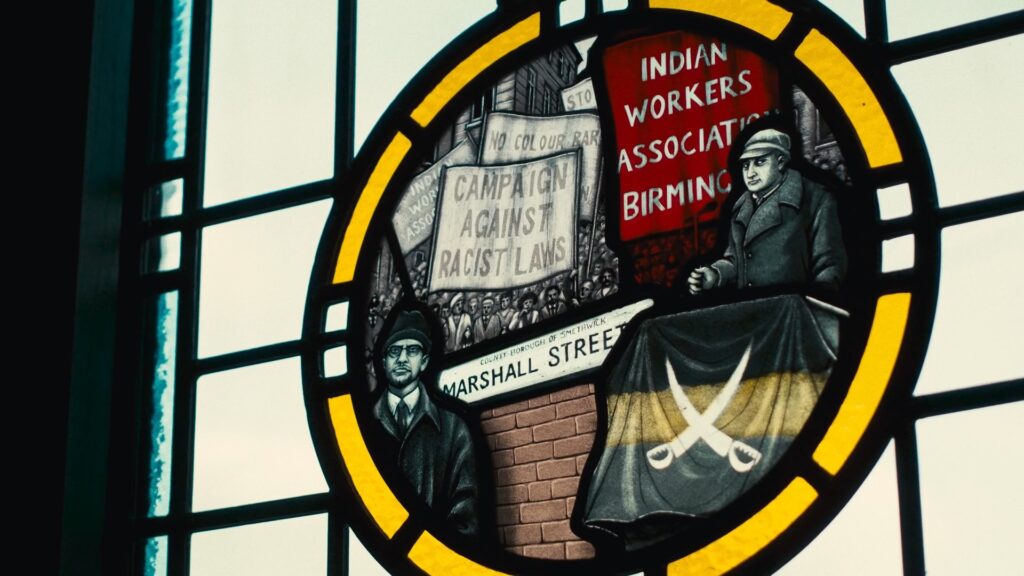
Image credit: OX-BOY films
British Institute for Libyan & Northern African Studies (BILNAS)
In April 2025, BILNAS hosted ‘Digital Engagement with Archives,’ a workshop held at the Palestinian Exploration Fund. The event brought together archivists, researchers, and heritage professionals to share best practices for connecting communities with archaeological archives using digital technology. The presentations sparked lively discussions on topics such as using digital tools for community engagement, documenting outcomes, and the potential of Linked Open Data and AI in archival work.
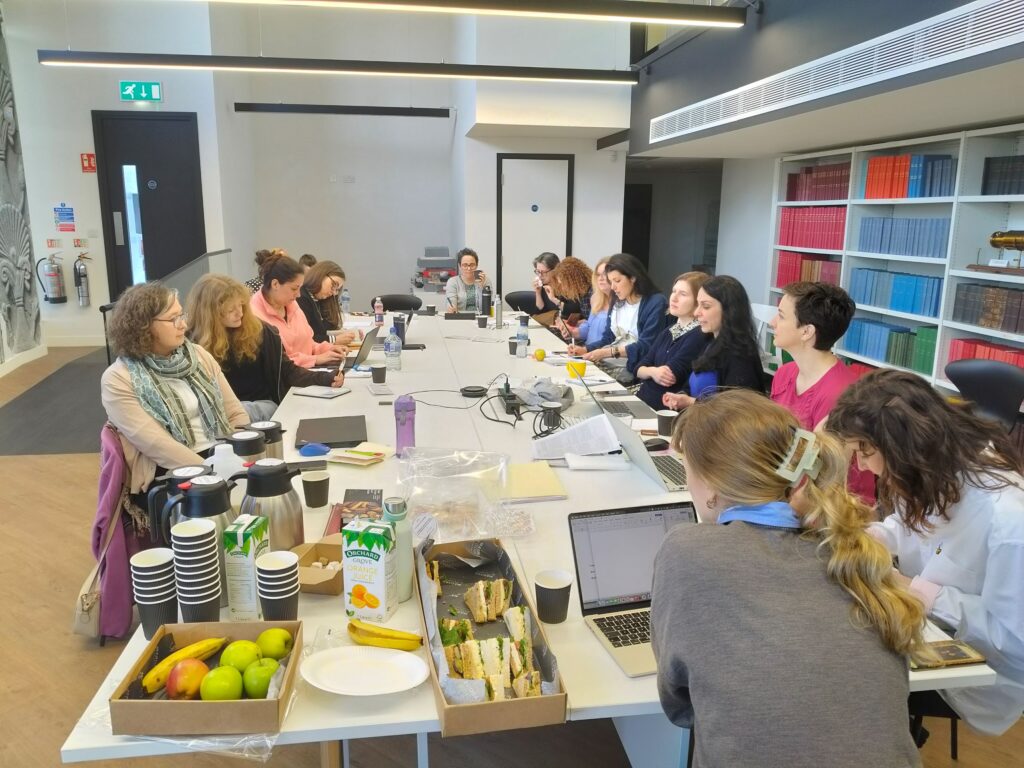
‘Digital Engagement with Archives Workshop’ panel discussion. Image credit: BILNAS
The International Bomber Command Centre (IBCC) Digital Archive
The IBCC Digital Archive preserves and publishes collections about those caught up in the bombing war in Europe 1939-1945. This year, they moved into a new climate-controlled archive space on the University of Lincoln’s main campus with 2,000 metres of shelving, a reception and viewing area, a scanning room, and offices for staff and volunteers. This enabled them to house physical collections, including their new collection – the ‘Freiburg Letters’, for the first time.
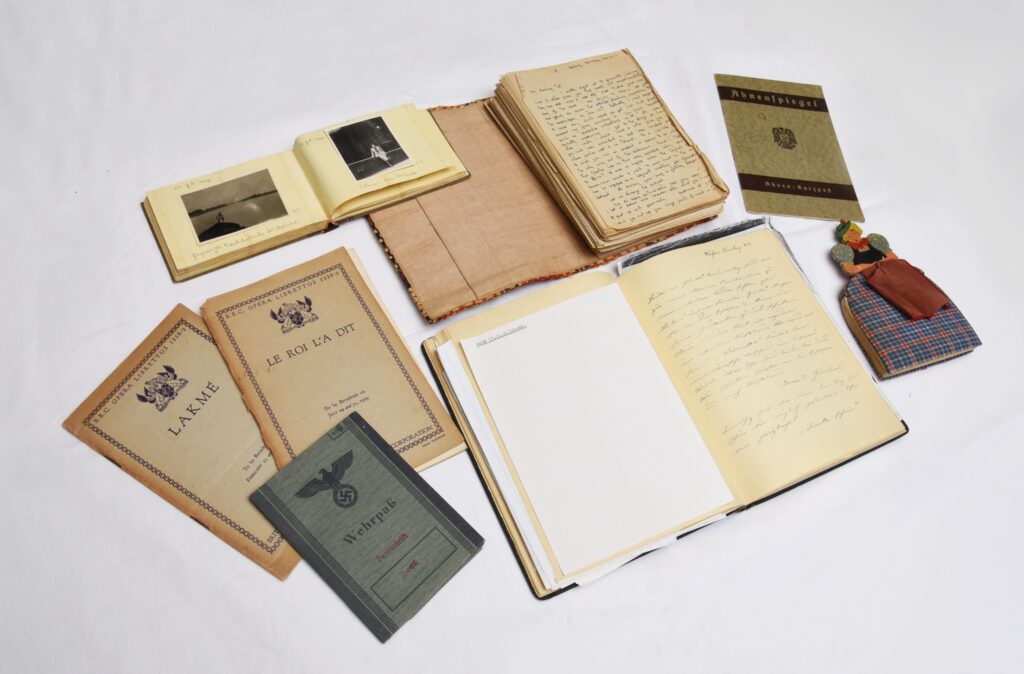
Image credit: The International Bomber Command Centre (IBCC) Digital Archive
Manuscripts and Special Collections (MSC) at University of Nottingham
MSC partnered with the University’s Nanoscale and Microscale Research Centre to image the sweepings from the bindings of the Speculum Vitae, a text dating back to the early 1400s. These sweepings were imaged using light and electron microscopy. This project is a precedent to embed collections in future heritage science projects.
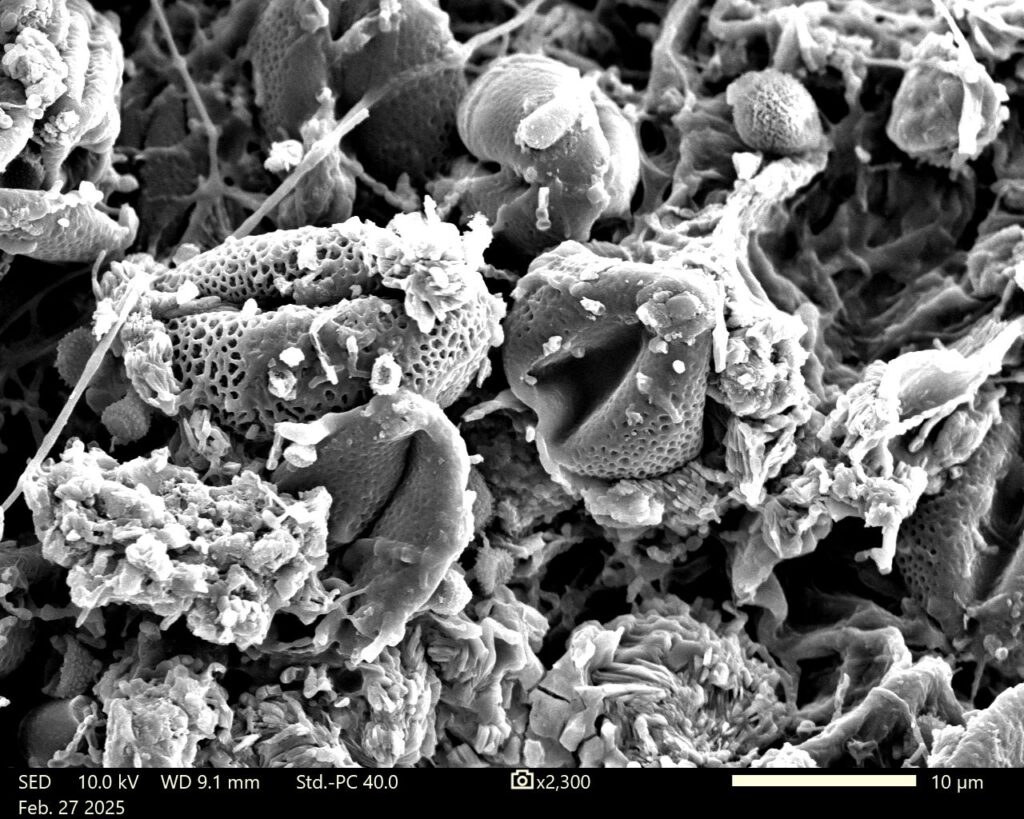
Image credit: Lorelei Robertson, nmRC, University of Nottingham
National Basketball Heritage Collection (NBHC) at University of Worcester
NBHC conducted a ‘History of Basketball’ outreach project for undergraduate and sixth form students, allowing groups to interact with archival material. Duplicate items from their collection were used allowing bigger groups to participate and for items to be taken out of the search room for use in sessions. Sessions so far have included a sixth form history workshop, undergraduate sports management workshop, and a drop-in at an undergraduate sports science conference.
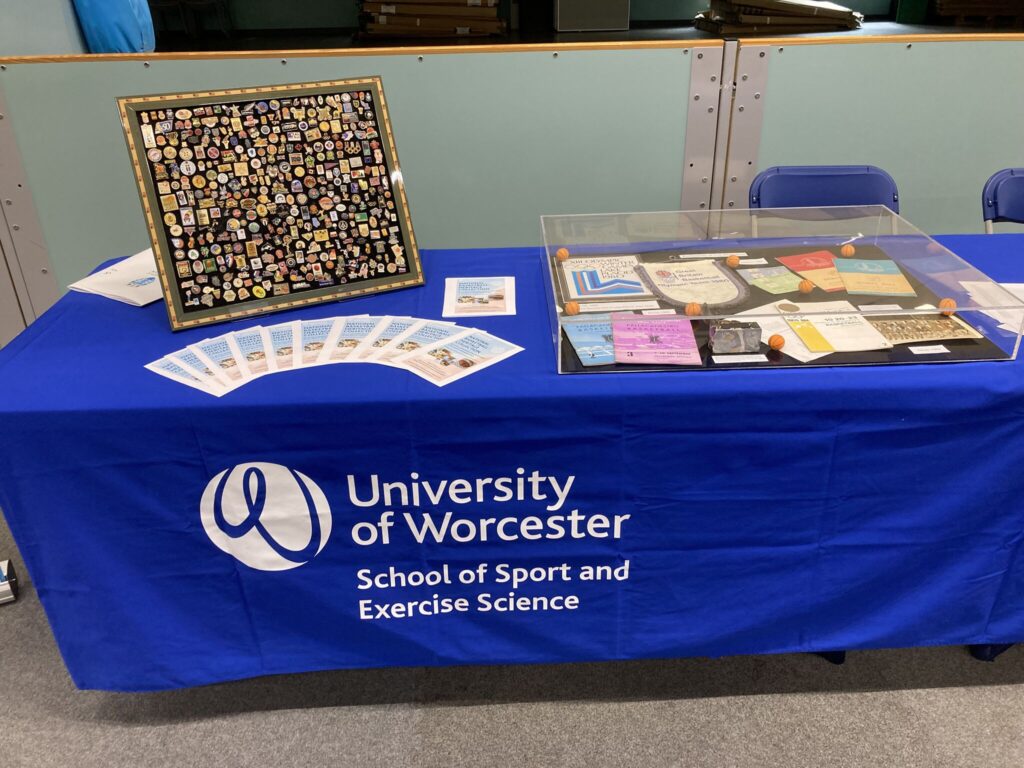
Image credit: University of Worcester Special Collections
Nottinghamshire Archives
The staff at Nottinghamshire Archives and 18–25-year-old volunteers staged a Victorian-themed Murder Mystery for the Nottinghamshire Day Festival in 2024. Drawing on newspapers, prison registers and court records, they brought real suspects to life. Visitors unravelled two chilling crimes, with one playing out before their eyes, while exploring the archives behind the scenes.

Image credit: Inspire
Staffordshire County Council
In November 2024, the Staffordshire Archives and Heritage Service opened the £8.7m Staffordshire History Centre with support from the National Lottery Heritage Fund and Staffordshire County Council. The Centre has reimagined access to their archive and museum collections and restored the grade II* listed William Salt Library welcoming over 12,000 visitors in the first ten months since opening. This new offer was co-produced with families, young people, schools and a local college.
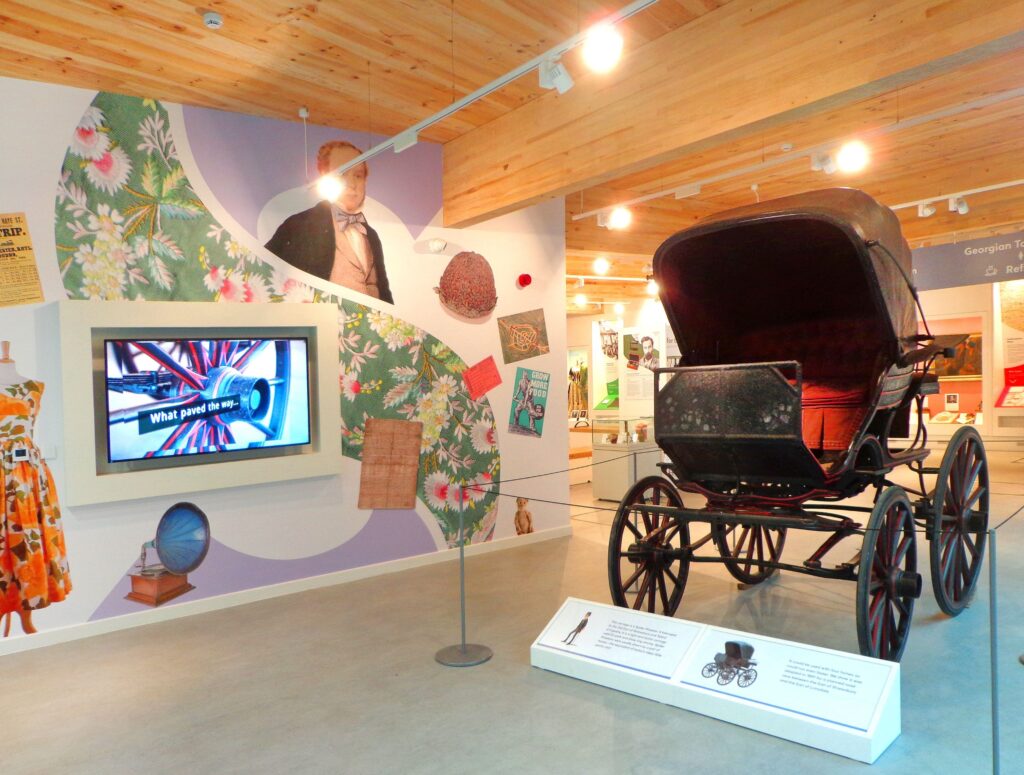
Staffordshire History Centre Entrance Lobby. Image credit: Staffordshire County Council
The University of Northampton Archives & Searchlight Archive
Since July 2024, the University of Northampton Archive and the Searchlight Archive have hosted a growing biannual gathering of local organisations who work with archives and collections. The group bond over tea and cake, while sharing knowledge and experiences, networking and offering support to one another.
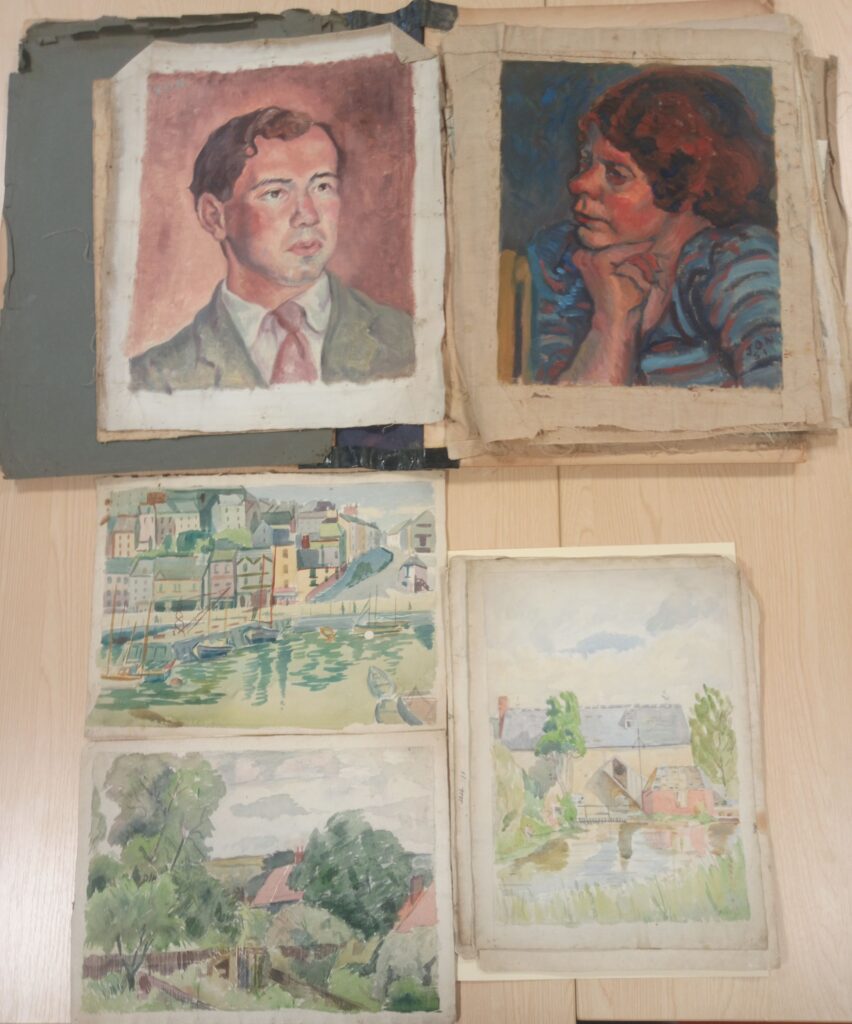
J. O’Neill Collection. Image Credit: A. Coombes, University of Northampton
University of Leicester Archives and Special Collections (UoL)
Over two years, UoL Archives and Special Collections ran The Richard III Digital Preservation Project which aimed to identify, capture and preserve the born-digital records generated by the University relating to the discovery and identification of King Richard III, 2012-2015. Relevant records from across the institution were transferred, accessioned, appraised and catalogued. Records were ingested into digital preservation software and access provided online to select records.
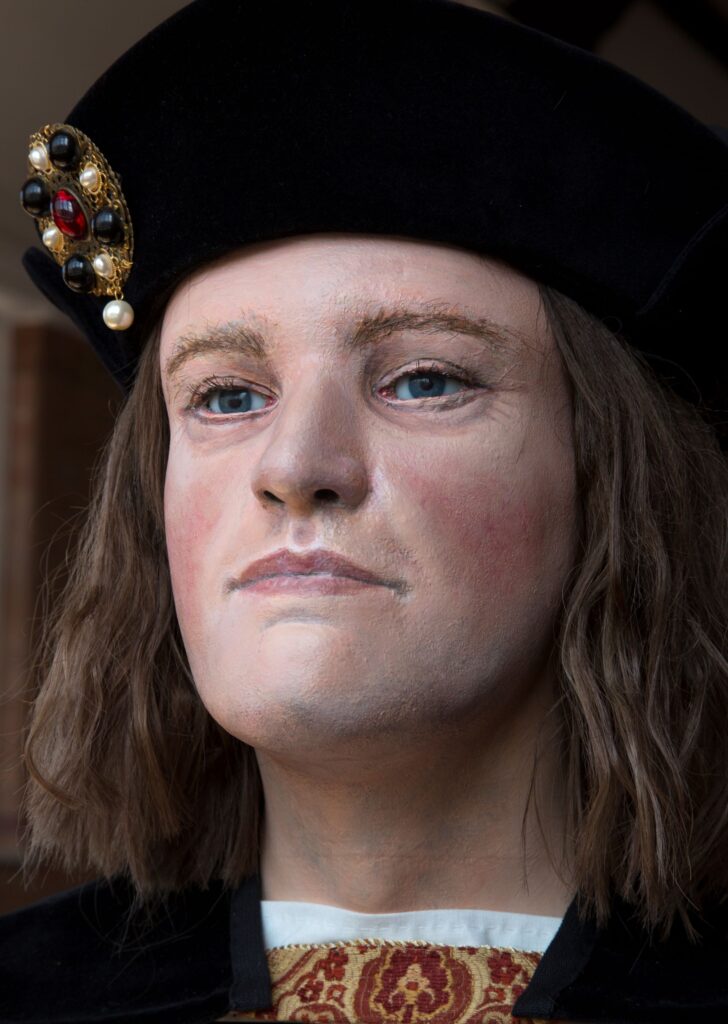
Facial reconstruction of Richard III produced by Professor Caroline Wilkinson, funded by the Richard III Society. Image credit: University of Leicester, Acc2024/16
Worcestershire Archive and Archaeology Service (WAAS)
WAAS completed a National Lottery Heritage funded project to conserve and digitise large 1920s cartoons by artist Gabriel Pippet. Deposited by the Church of the Sacred Heart in Droitwich Spa, these were used to help plan the (recently restored) mosaic interior of the church. These artworks showcase the artist’s vision on an impressive scale.
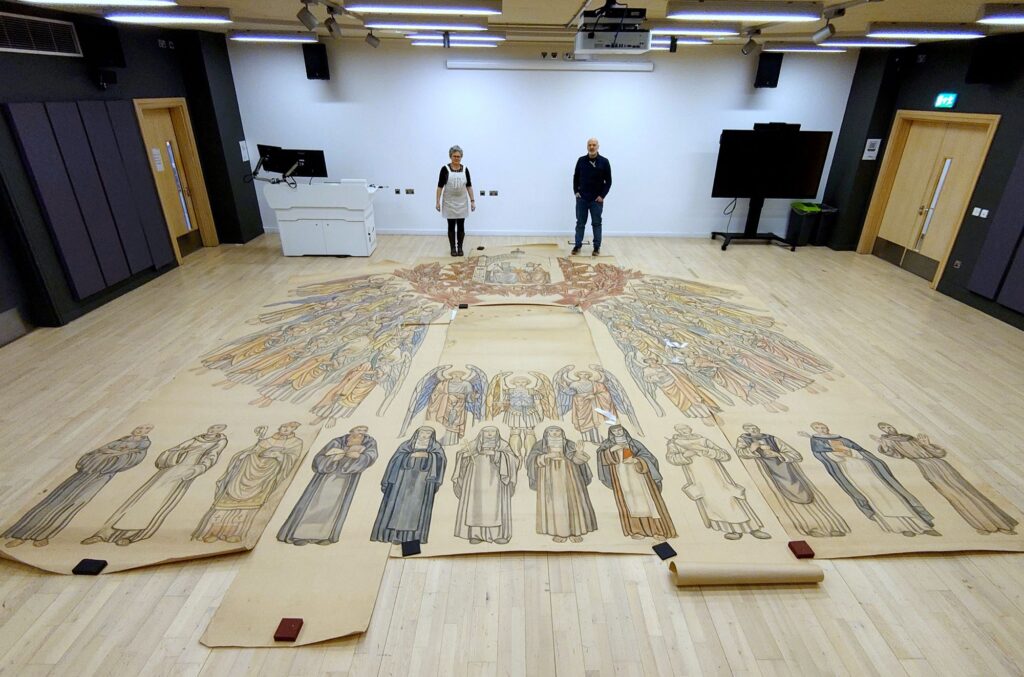
One cartoon collection, Choir of Angels, laid out prior to conservation and digitisation. Image credit: Worcestershire Archive and Archaeology Service, Collection Reference: 897.8177 BA17028.