Main section
Tabs Navigation
Tabs
Advocacy and reputation
“Our bicentenary campaign aimed to celebrate, commemorate and inspire. It was an incredible opportunity for the archive to support all aspects of the campaign and to raise the profile of our heritage collections within the organisation.”
Hayley Whiting, Heritage Archive and Research Manager
The Royal National Lifeboat Institution (RNLI) is the charity that has been saving lives at sea since 1824. The RNLI marked its bicentenary in 2024 with a year-long campaign of activities funded by donations from members of the RNLI 200 Club.
The RNLI started preparing in 2019 with an aim to commemorate its legacy, celebrate its staff and volunteers, and inspire future generations of supporters. The charity’s archive, led by Heritage Archive and Research Manager Hayley Whiting, played a pivotal role in shaping the anniversary’s narrative and enhancing the charity’s reputation.
From the outset, the archive was positioned as a dynamic resource for storytelling, engagement, and advocacy. Hayley worked across departments, including media, retail, fundraising, and communications to ensure the archive had a voice in every major project. She helped staff to understand what was in the collections and offered training in how to access materials and use them effectively.
Throughout the planning process, Hayley advocated for inclusive storytelling to uncover new voices across all regions. She provided engaging stories and imagery for media coverage – including interviews, podcasts, TV appearances, and books – as well as fact-checking content. The RNLI launched The 200 Voices podcast which captured diverse personal stories from across the charity’s communities, including voices often absent from official records.
They also contributed archival material to a special episode of the documentary series, Saving Lives at Sea, highlighting the RNLI’s role during World War Two. The episode has since sparked a new project about stories of courage during World War Two, supported by The National Lottery Heritage Fund.
The anniversary significantly raised the RNLI’s profile leading to an 18% rise in the charity’s membership and The Charity Times ‘Campaigning Team of the Year’ award. Public engagement for the archive surged, with increasing enquiries, donations, and interest in family history.
The archive also secured new material to preserve the legacy of the 200th anniversary for future generations. By advocating for the value of heritage and embedding it into organisational planning, the RNLI archive not only celebrated the past but helped secure its future, demonstrating how archives can elevate reputation, foster connection, and drive meaningful engagement.
Hayley’s proactive approach has also raised internal awareness about the archive, and positioned it as a respected, strategic asset to the charity. Having strengthened internal relationships, the archive is well positioned to provide advice and support to departments, advocating for effective archive and records management across the RNLI.
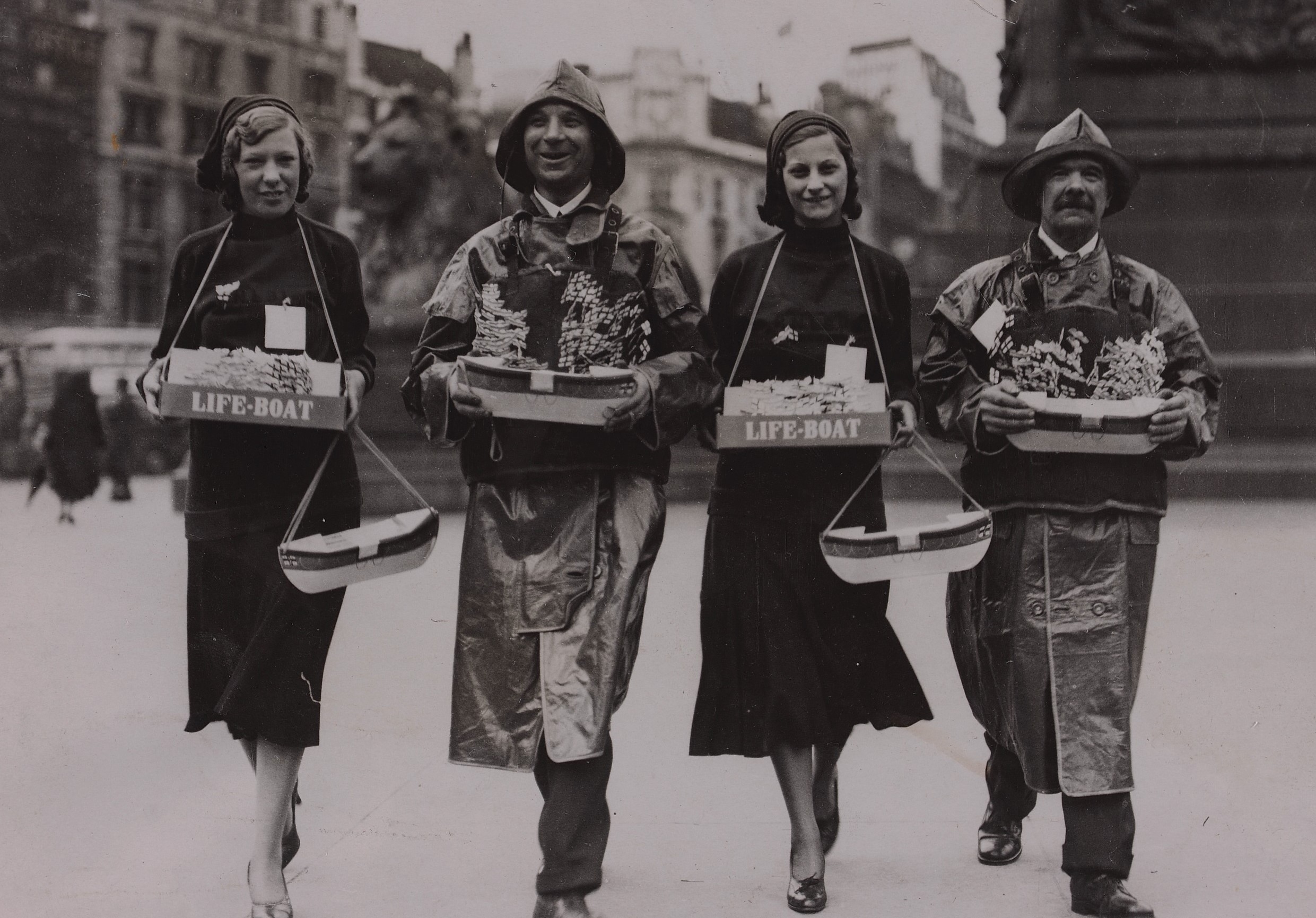
Image credit: RNLI
Digital
“The International Image Interoperability Framework (IIIF) has opened a whole new world of digital opportunities for Cultural Collections & Galleries at the University of Leeds. Launched in time for Leeds to host the IIIF conference, this standard provides access to digitised manuscripts, artworks, archives, and more, in their full glory.”
Laura Beare, Audience Development Manager
The Cultural Collections and Galleries team at University of Leeds Libraries initiated a multi-year Digital Library Infrastructure Project to make their digital collections more accessible to staff, students and the general public.
The University of Leeds Libraries holds a fantastic range of cultural heritage collections, including manuscripts, artworks, archives and museum objects. The team felt, however, that the digital images on their existing online catalogue were not presenting these items in full quality or with optimum opportunity for research.
The team began to address this by adopting IIIF, an international standard for making images available online with a flourishing community of users. IIIF enabled them to host high quality, zoomable images on their own website, and allowed for greater user interaction.
Using a range of open-source tools, online visitors can now annotate content, compare and contrast images and even reunite scattered material, such as fragments of medieval manuscripts and cuneiform objects.
Users can also create their own digital exhibitions using images from the Leeds site, with the option of incorporating images from other institutions that use the same standard. This opens up many new possibilities for teaching and research.
Colleagues from the Library, the University’s Digital Education Service and Digital Creativities and Cultures Hub undertook a range of activities to promote the new possibilities that were now available.
In June 2025, the University hosted the prestigious annual international IIIF conference and simultaneously launched IIIF into their own online catalogue, bringing their images to the fore.
The team hosted an online exhibition, the first of many more to come using IIIF, showcasing the drawings of local artist Marie Hartley, allowing users to explore Yorkshire through a map interface.
With assistance from a student intern, they have also produced guides and demonstrations to introduce staff and students to the possibilities of IIIF within their virtual learning environment.
The library’s digital infrastructure has been refreshed, its collections are more accessible, and use of IIIF enabled images is taking off in research projects and teaching sessions, providing an improved experience for a wide range of users.
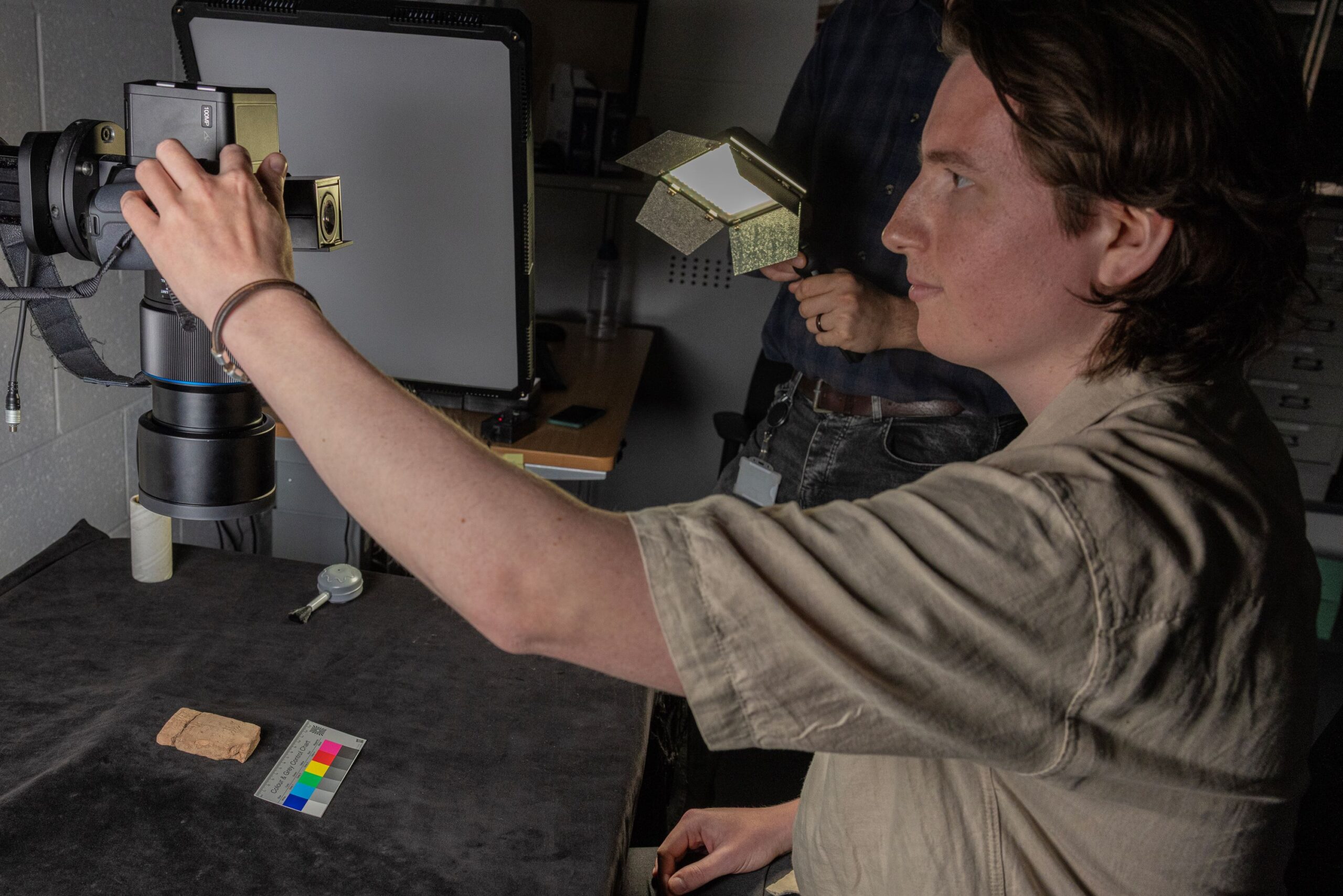
Image credit: University of Leeds Libraries
Diversity and inclusion
“This sensational approach has the potential to attract and meaningfully support people with a range of disabilities and access needs.”
Jim Ranahan, Archivist
An archivist and museum specialist from Shakespeare Birthplace Trust (SBT) collaborated to review their respective approaches to cataloguing, access and descriptive practice.
SBT runs an integrated collections service across its museum, library and archive. They were approached by The Sensational Museum with an offer to support their public engagement, specifically exhibitions and cataloguing activities.
The Sensational Museum, funded by the Arts and Humanities Research Council, promotes the importance of working sensorially, placing disability at the centre of collections practice by challenging traditional reliance on the sense of sight for access models.
SBT’s archive collections department had already trialled inclusive cataloguing with a focus on hidden histories and the ways historic cataloguing practice often presents collections in outdated or offensive terms.
Jim Ranahan, Archivist, and Paul Taylor, Museum Specialist, took the opportunity to learn from The Sensational Museum and started to consider how they might incorporate a sensational approach into their inclusive cataloguing.
Jim and Paul were challenged to ‘unlearn’ certain principles and consider the experience of users more when cataloguing collections. Jim’s archivist training had promoted a model of concise, factual descriptions for collections, but this approach often fails to capture the richness of an item.
For example, a typical description of a letter might mention the writer, the intended recipient, the date and the subject but Additional consideration of ancillary subjects, greetings, sign offs and references to world events can illuminate crucial details and draw users to content they might not have otherwise engaged with.
Similarly, greater levels of detail in a description can support those with visual impairments to engage with materials more easily. Jim and Paul welcomed Dr Sophie Vohra, Research Associate for The Sensational Museum, to Stratford-upon-Avon for a facilitated workshop, focusing on specific items in the context of sensational cataloguing. They experienced a ‘light bulb’ moment when considering a photographic print of Marie Corelli, a Victorian novelist and Stratford resident, and the manuscript of Sorrows of Satan, her bestselling 1895 novel.
Vohra encouraged them to move beyond focusing on the items themselves and consider both the process of creating them and the environments in which Corelli was living and working.
For instance, the birdcage in the background of the print would be a constant source of noise and smell, and a visual stimulus, as Corelli wrote her manuscripts. They also considered what her emotional response to caged birds might be.
Jim and Paul are now looking to produce templates for colleagues to work from when cataloguing. Their aim is to embed a sensational approach into existing frameworks so they can implement positive change, while still ensuring necessary targets and time frames are kept to.
In the long term, SBT want to achieve worldwide reach with their online catalogues. They hope the sensational approach, in conjunction with inclusive cataloguing, could deliver higher levels of impact and engagement to a worldwide audience.
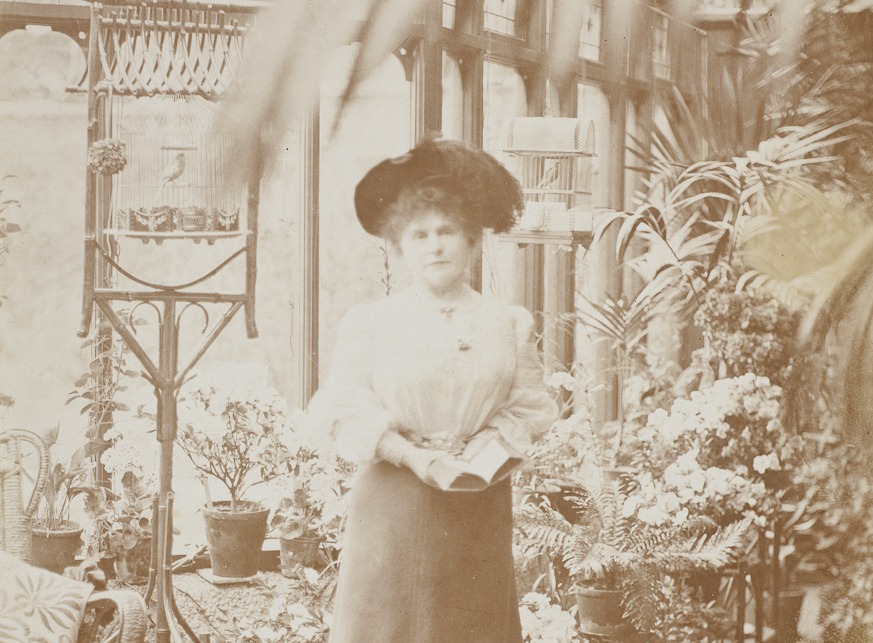
Image credit: Shakespeare Birthplace Trust, catalogue reference: DR777/146
Enrichment
“After fulfilling their original purpose, records may appear to pause in the archive – suspended between past and future. Yet their continued use in fresh and innovative ways breathes new life into them, enriching our understanding of the life and work of Nick Darke and allowing his legacy to inspire generations to come.”
Carole Green, Archivist and Special Collections Officer, Falmouth Exeter Plus
To mark the 20th anniversary of the death of Cornish playwright, Nick Darke, Falmouth University hosted a celebratory event in summer 2025 entitled Life, Work, Legacy.
Alongside a curated exhibition of artifacts taken from the Nick Darke Archive which was held in the University’s Archives and Library, the event featured a performance which showcased the breadth of Darke’s career, his creative practice, and the recurring themes that inspired his work.
Students from the BA (Hons) Creative Writing course were invited to explore Darke’s extensive archive and create a performance inspired by its contents.
Beyond Darke’s published and performed works, the archive offers insight into his creative process including lesser-known, incomplete, or never-performed pieces, as well as the early seeds of his ideas.
Students spent considerable time in the reading room, engaging in depth with the contents of the archive. Rather than creating new writing in response to the archive, students focused on giving voice to the unheard and unperformed pieces.
This idea was largely drawn from the extensive series of writer’s notebooks that form a core part of the collection. These notebooks include meeting and rehearsal notes, research material, reworked play extracts, diary-type entries, scraps of dialogue and overheard conversations, wordplay, financial calculations, to-do lists, shopping lists, recipes, and notes on findings from Darke’s beachcombing explorations.
Supported by the archive team and academic, Nicola Coplin, students created a bricolage piece by collaging extracts from the extensive collection of Darke’s notebooks. They combined this with previously unpublished scenes to create a unique performance presented at the University’s public arts centre and performed by BA(Hons) Acting students. This offered a rare and intimate insight into Darke’s life and works, deepening the students’ understanding of how play texts develop from thoughts and notes to text and performance.
The archive team worked closely with Jane Darke, the donor and wife of the playwright, to ensure that materials from the collection were handled with care and sensitivity. As many of the items were created solely for Darke himself, this collaboration helped preserve the personal nature of the work while allowing students to engage with its humour and beauty.
For the Archives and Special Collections team, the process was transformative, sparking a renewed interest in the research, teaching and performance of Nick Darke’s work. The project demonstrated that collections can be used in unexpected ways, and that fresh perspectives from new users can further enrich the unique value of such a collection.
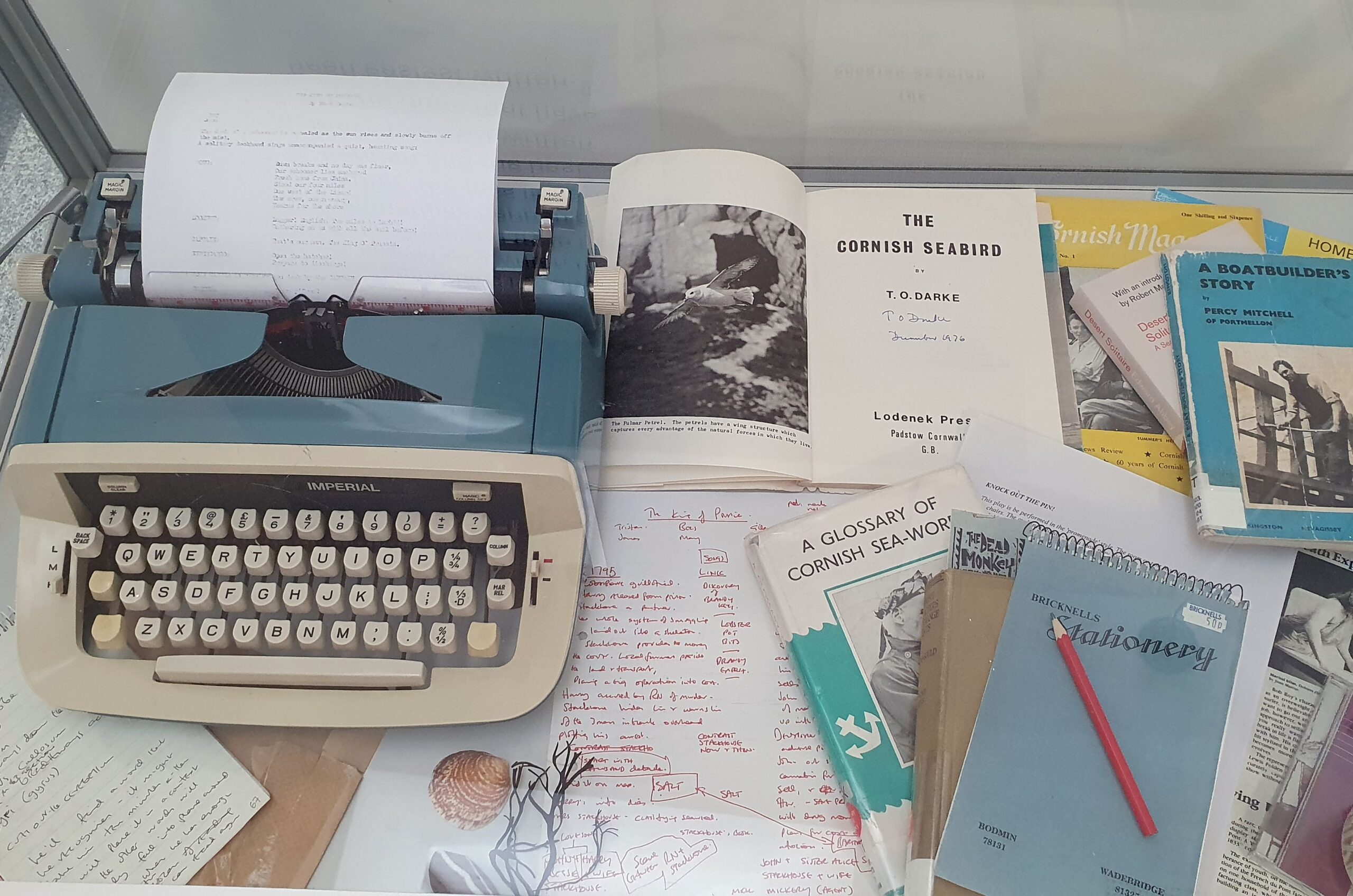
Image credit: Ciaran Doherty
Health and wellbeing
“Drawing with salt freed people up from their inhibitions, young and old alike, making me think about ways I could free myself up to work when I’m feeling stuck.”
Iain Davidson, Contemporary Artist
Cheshire Archives have been using the theme of food to engage with new audiences. Using historic recipes as inspiration, the team explored ideas around food memories, food cultures and
the sharing of recipes between generations, groups and families.
Cheshire Archives have been running food storytelling events since 2017, utilising sources such as John Gerard’s Herbal, a sixteenth-century book of plants and their uses, a historic recipe for marmalade, and unusual recipes from cook and businesswoman Elizabeth Raffald.
Funding from the National Lottery Heritage Fund as part of the Cheshire’s archives: a story shared project enabled the service to develop these activities further, and to engage with local communities, organisations and businesses.
They held a half-term cooking workshop run with Hoole Young Chefs, delivered to 40 children aged 7-11 in November 2024. It featured four food stations: two teaching kitchen skills and the other two cooking historic recipes, including notable local dishes, pea soup and soul cakes. The workshop was fully booked and is likely to be repeated.
In 2025, the team also ran an arts-based project Food for Thought with communities across Cheshire. They engaged with four local community art groups to produce creative responses inspired by historic recipe collections: Crosshatch based in Winsford, Little Sutton Art Group, Live! Chester and Studio Art Group who work out of Nantwich.
Historic recipes can look very different to ones we would recognise today, and can include unfamiliar methods, equipment, quantities, measurements and even ingredients. This was used as a point of discussion and led to a wide range of different interpretations of the recipes. 55 artists created 33 different artworks spanning paint, textiles, film, sculpture and even salt – a product Cheshire is well-known for.
The project culminated in a public exhibition as part of the Chester Festival of Ideas in July 2025. Over 300 visitors viewed the artworks, and the archives that inspired them, over four days.
They are now touring more venues, bringing the exhibition to new local communities. For many participants, this was the first time they had ever had their work exhibited and they took pride in bringing their family and friends to see their pieces on display. The event also included family activities, including a story time inspired by local cheese-making and salt art workshops.
According to an early evaluation, the Food for Thought project has brought a whole new audience to Cheshire Archives. 80% of participants had not engaged with the service prior to attending one of the events.
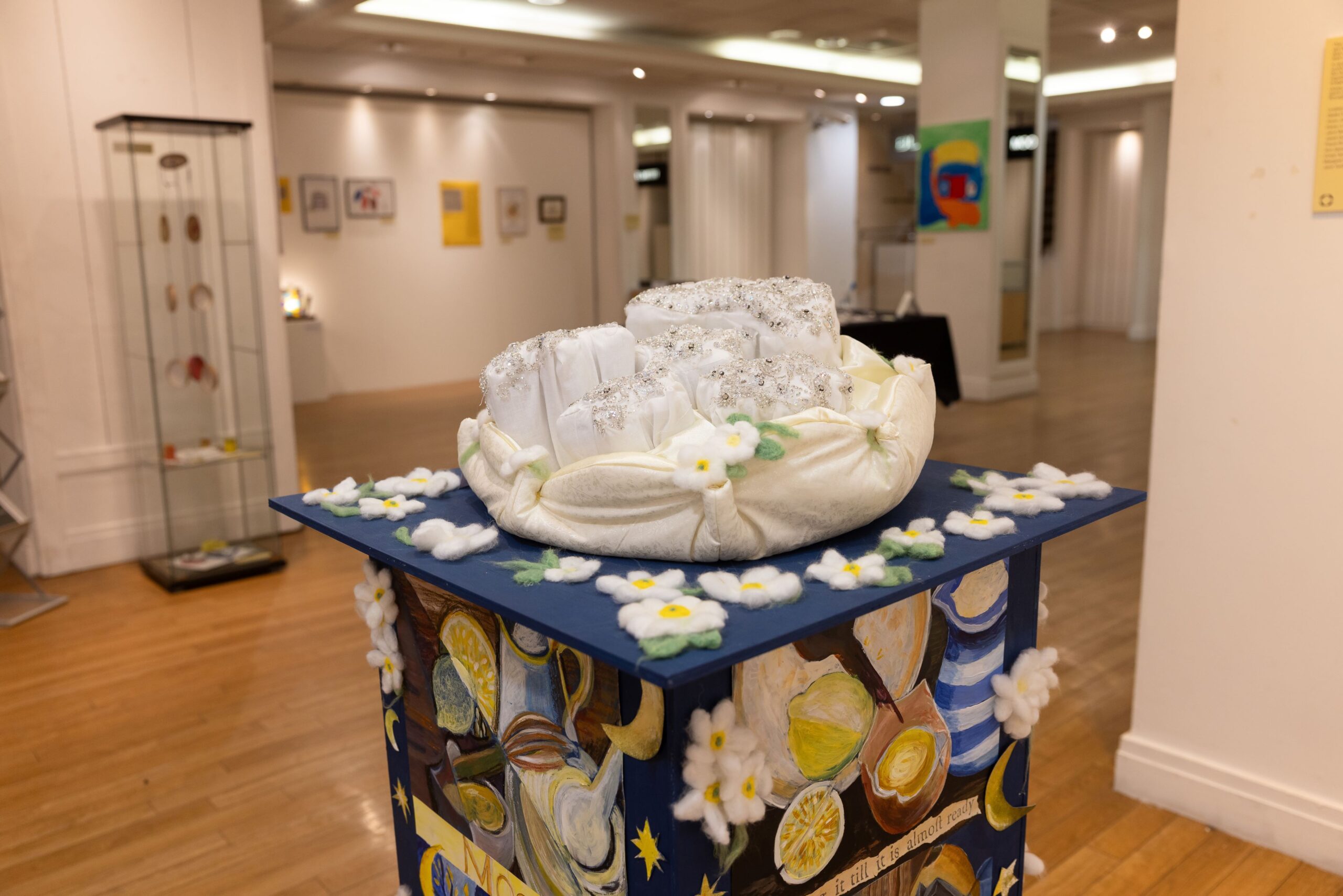
Image credit: Jon Lingwood, University of Chester
Impact
“It’s been fascinating to hear about the journeys all these women made, the juggling of work and home life, and the memories of fathers, grandparents, and other community members bringing up children in their mothers’ temporary absence.”
Lorna Steele-McGinn, Community Engagement Officer, High Life Highland
Following the Fish, a staff and volunteer-led research project, uncovered and celebrated the remarkable stories of the herring lassies; women who played a vital role in the economy and communities of fishing towns across Scotland and East Anglia.
This collaborative initiative, funded by Lloyd’s Register Foundation, brought together High Life Highland’s Archive Service, Suffolk Archive, Tasglann nan Eilean (the Hebridean Archives), and Norfolk Record Office.
The project sheds light on an often-overlooked chapter of maritime history, aligning two perspectives of the same story: the departure of women from their hometowns and the impact of their arrival at bustling fishing ports.
Between 1850 and 1950, herring fishing was a major industry, employing thousands and exporting millions of barrels of cured herring across Europe. The fishing season would begin in the Western and Northern Isles in May and moved clockwise around the coasts of Scotland and England. At the height of the industry, around 6,000 women from the Highlands and Islands travelled across the country, swelling local populations during their stay in each port.
The project had a variety of outcomes, including touring exhibitions, the design of a handling box and an online exhibition which has over 2300 views. The touring exhibitions showcased archival records from all participating archive services, as well as photographs and oral histories collected from each local community and descendants of the herring lassies.
The project team, with its wide geographical spread, collaborated remotely using a shared drive to store research outcomes, digital images and project plans. Team members had the opportunity to meet in person during the launch events in Wick and Ipswich, enabling them to showcase their respective collections and explore the towns connected to the project, fostering deeper engagement and mutual appreciation.
The volunteer team, coincidentally all women, embarked on a shared research journey to museums and archives, forming strong bonds along the way. As one volunteer put it, they “made some lifelong friends!”.
Visitors were inspired to contribute their own stories, enriching the displays with personal touches. For example, a brother and sister spotted their parents’ wedding photograph in the exhibition and added a charming detail: their parents had thought the fishing season had ended in Lowerscrofte when they got married, but a final catch came in and they had to stop the wedding breakfast and get back to work!
This project has fostered new relationships between the archive services and inspired further research into shared histories. Work is already underway to explore historical connections with the nuclear industry, opening new avenues for collaboration and storytelling.
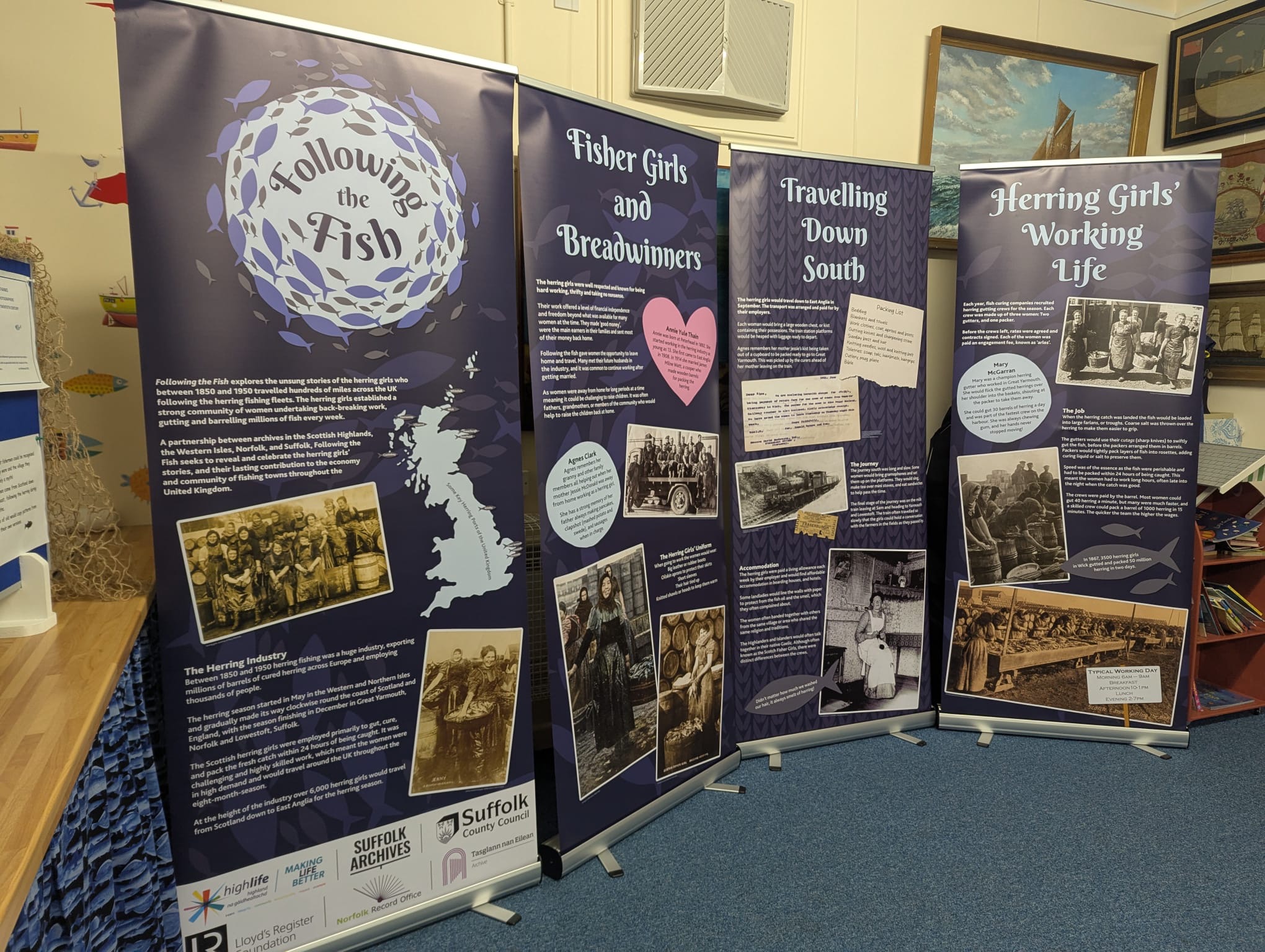
Image credit: Following the Fish
Innovation and risk
“Reading Hydro shows what a community initiative can achieve in the generation of electricity from renewables. Without a conscious effort to archive this work, it was at risk of being lost to time, and with it, opportunities for learning.”
Liz Bartram, Director of The Mills Archive Trust
The Mills Archive Trust supported Reading Hydro Community Benefit Society (CBS) to create the Reading Hydro archive and secure the future of their records.
The Domesday book of 1086 refers to a watermill in Reading, illustrating how central waterpower is to the town’s history. The Mills Archive Trust charity has an accredited archive that preserves and protects the records of milling history in Reading, as well as historical developments in wind and waterpower.
This slice of local history is a great springboard from which to engage audiences with the global issues of sustainability and climate change. Reading Hydro, a local not-for-profit enterprise set up to generate low-carbon electricity, plays a key role in generating renewable energy for the local community.
In 2021, it commissioned a 46kW hydroelectric plant near the site of a former watermill. By combining a centuries-old turbine design called the Archimedes screw with modern generators and control systems, the plant has exported nearly one million kilowatt-hours of electricity to date – enough to drive nearly 160 times round the world in an electric car!
More than 150 volunteers contributed to the design, fundraising and construction of the plant, and an associated fish-pass. Over 50 volunteers now operate the plant and run the CBS, including an education programme.
The risk of losing records was significant due to the high number of volunteers holding the many documents, videos, photos, and banners that had been created. They also lacked a centralised records management system or physical space to appropriately store these items. Reading Hydro were therefore delighted to partner with The Mills Archive Trust for the National Lottery Heritage Fund supported project, Reading emPOWERed, which would secure these important records for the future.
The Mills Archive Trust supported Reading Hydro to establish an effective and sustainable system for depositing and keeping both physical and electronic records. Materials held by one of the enterprise’s founder directors has been deposited with the Trust and volunteers from the enterprise have been trained to catalogue these under the supervision of the Trust’s archivist.
Meanwhile, The Mills Archive Trust are able to draw expertise from those involved at Reading Hydro to gain further insights into their pre-existing collections. They have forged connections with other specialists in the field of renewable energy generation and received recommendations for other potential collections which could enrich their existing collection.
Working with Reading Hydro, they have developed the skills of their staff and improved their capacity to advocate for archives. They have also raised their profile among the local community, fulfilling a key strategic ambition for their Trust.
This partnership continues to flourish, enabling current and future volunteers to contribute materials and build a living archive.
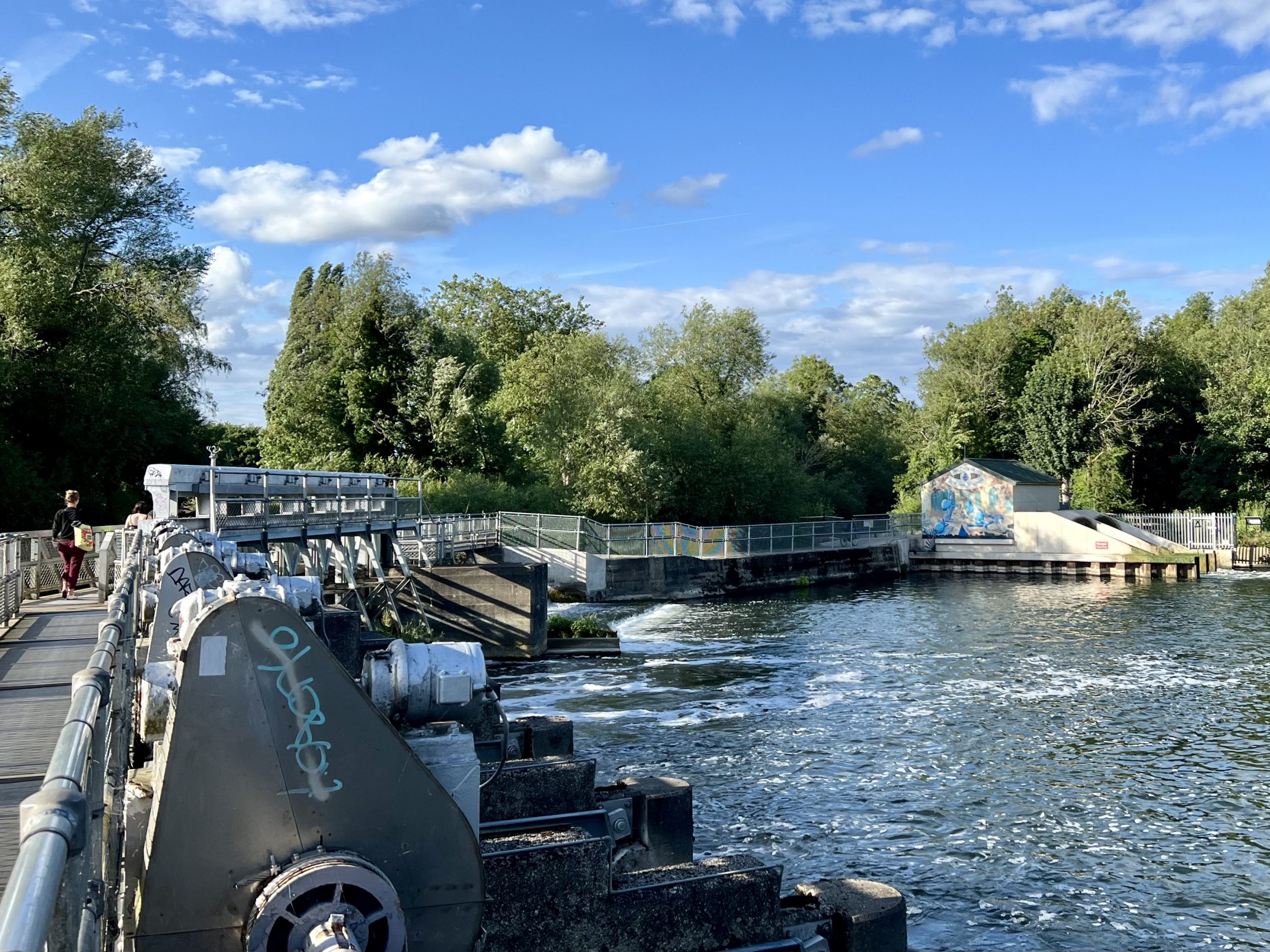
Image credit: Reading Hydro CBS
Openness
“The Becoming Brent initiative fostered pride, inclusion, and wellbeing in alignment with Brent Council’s ‘Thriving Communities’ priority.”
Amit Bhagat, Head of Libraries, Culture & Heritage
Becoming Brent was a groundbreaking heritage initiative that empowered Brent’s diverse communities to explore their histories through a decolonial lens.
The Brent Museum & Archive team set up this project to commemorate the centenary of The British Empire Exhibition of 1924-25; one of the most visited attractions of the 20th century that transformed Wembley from a village into what it is today.
Rooted in the British Empire Exhibition collections, Becoming Brent delivered exhibitions, events, and 18 community-led projects, engaging over 61,000 people.
The project team wanted to address outdated terminology in cataloguing descriptions and add cultural context to records by opening them up to new perspectives. Furthermore, the collections had been donated at different times, so an audit was needed to re-address cataloguing and storage conditions.
The team recruited 26 volunteers, aged between 18 and 70, through a range of regional and industry callouts, including a double page spread in Your Brent magazine which is delivered to every household in the borough.
The volunteer group took part in interactive workshops run by a decolonisation consultant, Devika. Freelance collections auditor, Monna Matharu, ran the archive audit with the volunteers, providing research guides and training on basic cataloguing standards. Another freelance collections auditor, Flavia Cahn, ran the museum audit.
The group explored details that were missing from the existing cataloguing descriptions and considered what questions might come up for someone viewing the items. The aim was to layer new perspectives on to descriptions, rather than erasing old ones. All relevant items were repackaged and recorded in a comprehensive spreadsheet.
The first key output was a six-month exhibition featuring historical context of world events in 1924, oral histories from visitors of the original exhibition and an overview of the project’s approach to decolonisation. There was also a curator note section, accessible via QR codes, which enabled each volunteer to write a short essay about an item of their choice and explain their research process.
The team developed a temporary paper-based version of the exhibition, inviting visitor feedback on the content, which was subsequently incorporated into the final design and printed panels. The completed exhibition went on to attract over 12,000 visitors across six months.
“We want to pay tribute to the brilliant volunteers who made Becoming Brent possible. Opening up the auditing process to local residents marks a real shift in how we work with history leading to more dynamic historical context in the collection descriptions.”
Brent Museum & Archive Team
Another key outcome was the establishment of a community fund, which supported 18 diverse projects. Many of the resulting outputs— such as oral histories, photographs, and publications—have since been accessioned into the archives.
The 26 volunteers remain in touch, so the project has fostered a genuine sense of intergenerational and intercultural community. It has also increased local knowledge of the 1924 exhibition and invited Brent’s residents to engage with themes of imperialism and decolonisation.
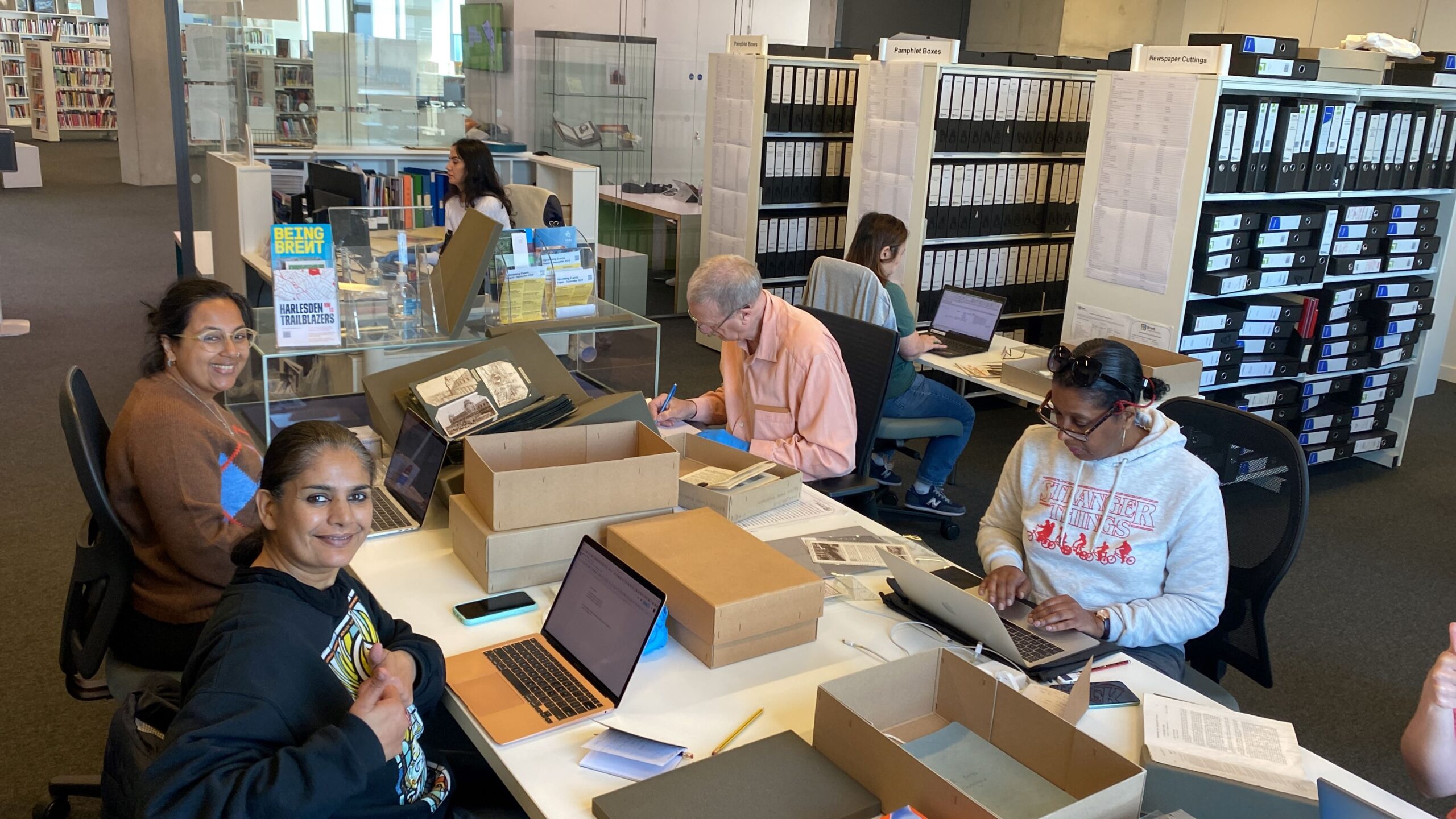
Image credit: Brent Museum & Archives
Resilience
“The project gave me the chance to prioritise time for digital preservation during my week and gave hands on experience to complement what I had, up to now, only learned theoretically.”
Helen Raymond, Archivist, Archives: Wigan & Leigh
In 2024, the Greater Manchester Local Authority Network collaborated to tackle a shared and growing problem of inaccessible digital files.
Over the years, the archive teams had collected records in a range of now-obsolete storage media. They had undertaken some digital preservation training and wanted to put it into practice to tackle the problem but didn’t have the equipment needed at each of their archives.
Through the Greater Manchester Archives and Local Studies Partnership (GMALSP), they secured a resilience grant from The National Archives and worked together to design two travelling digital preservation kits, containing all the equipment needed to access outdated storage media.
Each hardware kit contained a laptop, a floppy disk drive, two CD drives, a multi-size memory card reader, and an internal hard drive docking station.
Fitting inside a transportable suitcase, the kits spent four weeks at a time at each of the partnership’s ten local authority archives across Bolton, Bury, Manchester, Oldham, Stockport, Tameside, Trafford, Rochdale, Salford and Wigan.
The project team also created documentation for the kits and designed a digital preservation workflow, with the help of The National Archives’ digital peer mentoring scheme.
The team created a generalised workflow, allowing services to personalise it to their needs, and used free open-source software, such as CSV Validator and DROID. The kits included a lifetime subscription to Teracopy to make file transfers easier and Open Office was used instead of a Microsoft subscription, which would have required a central email address.
A two-terabyte external hard drive was also provided to each archive and the laptop was used to transfer copies of chosen collections to Manchester Archives’ central system when the kit was returned. Laptop updates were made at Manchester Archives so that services using the kit didn’t need to worry about an internet connection while working.
The kits gave all the archive services a lot of confidence, turning their general awareness of digital preservation into practical experience. More people than anticipated were able to make use of the kits, from staff members to volunteers and archive students, making digital preservation less intimidating for everyone involved.
GMALSP held regular meetings where members could collaboratively tackle challenges, request future training and reflect on the achievements of each service. The archives have now been using their greater understanding of digital preservation to actively advocate for this area of work. Some services have already put in informed business cases to their local authorities for further software, equipment or support.
Image credit: Tameside Local Studies and Archive Centre
Trust
“A story of hardship and hope, division and defiance, perseverance and pride; In the Veins is not a history lesson, it’s an emotional journey that digs deep into the heart of a community built on coal… we couldn’t have done it without the trust of the volunteers.”
Graham Relton, Co-Director and Head of Access at Yorkshire and North East Film Archive
York St John University’s Yorkshire and North East Film Archive and Teesside University commemorated the 40th anniversary of the 1984-5 Miners’ Strike with their collaborative project, In the Veins, a film reflecting on the UK’s rich history of mining over the last century.
With funding from the Arts and Humanities Research Council, the partnership set out to tell the story of the coal industry using only archive footage and found voices in the vaults of the Yorkshire and North East Film Archive.
The team wanted to create a production which would respectfully represent a proud and often forgotten community. They recruited a diverse volunteer group of ‘community curators’ to help shape the production, all of whom had either worked at the coalface or lived in mining communities.
The process involved an in-person meeting at the archive followed by regular video calls. The volunteers were initially sceptical with some citing past experiences where they felt their stories and experiences had been misrepresented in academic projects.
To gain trust, the team shared its ambitions for the production and emphasised how much the volunteer group’s insights would be valued. The group were shown a screening of a previous film the archive had made called Cost Of Living, giving them confidence this film would also be sensitively made and impactful.
“Using us as community curators was by no means just a box ticking exercise. All of our perspectives were valued and incorporated into the final film.”
David Lister, consultant coal mining geologist, community curator
The community curators provided emotional responses, factual advice, and ideas for how the film could connect in a meaningful and authentic way. The film shows how crucial coal was to keeping homes warm and the wheels of industry turning, while also exploring the price of coal, the deaths and illnesses caused by mining black gold, and the way communities came together as each pit was sunk.
Volunteers came to screenings, spoke on Q&A panels and became advocates for the film. Other ‘community champion’ volunteers helped programme events in their local areas. From village halls and museums to film festivals and libraries, the film has been screened to over 2000 people.
The response has been extremely positive with one audience member proclaiming the film as “history come to life”. Community Curator and Women Against Pit Closures activist, Heather Wood, said the film “shows the strength and tenacity of miners and their families who, over the years, fought for a fair wage, better working conditions and, in 1984, fought the state hoping to keep jobs and community. It tells our story and tells it well!”
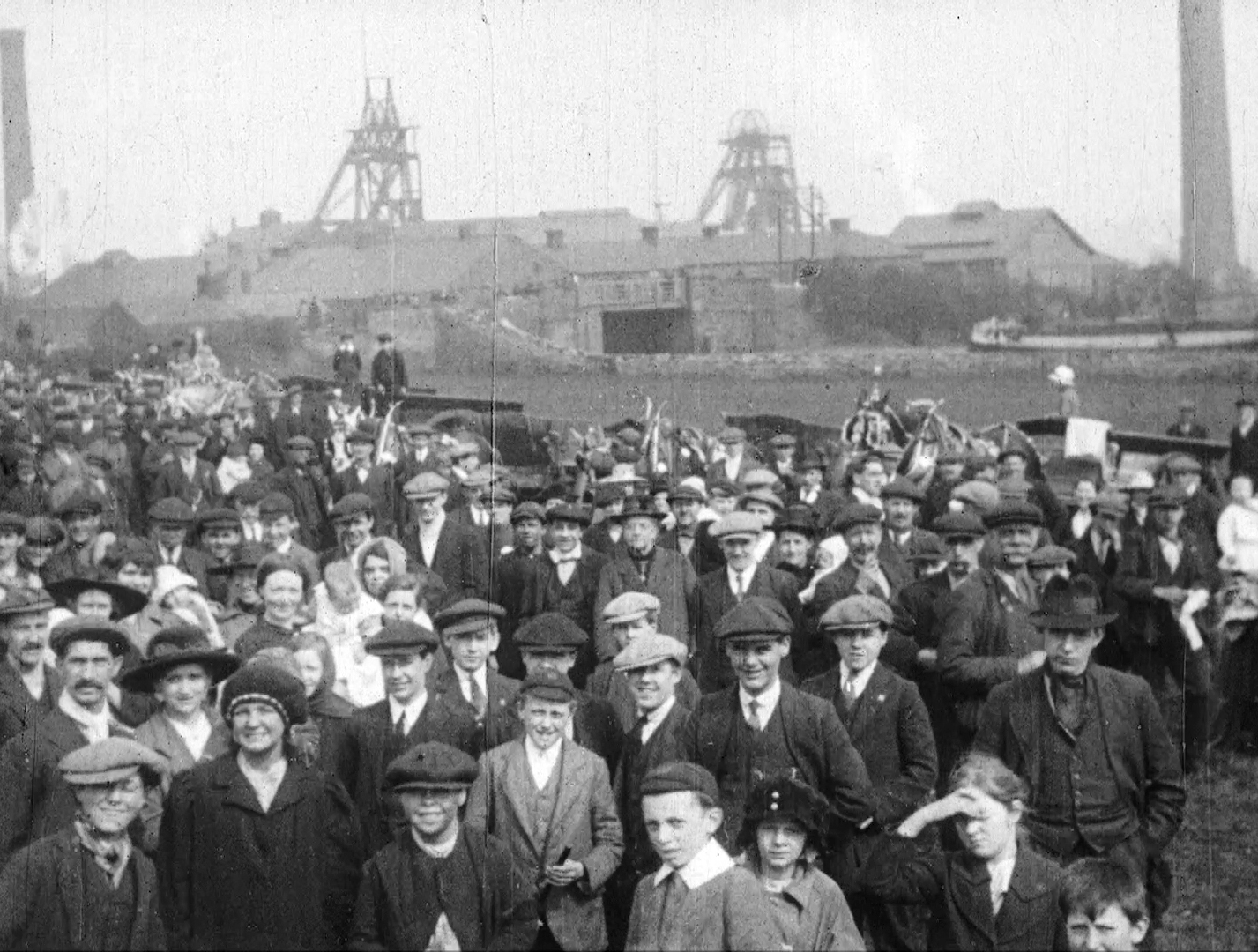
Image credit: In The Veins, Yorkshire and North East Film Archive