View treasures from The National Archives.
This resource has been archived as the interactive parts no longer work. You can still use the rest of it for information, tasks or research. Please note that it has not been updated since its creation in 2009.
You can find more content on this topic in our other resources:
Videos

- Spotlight On
Spotlight On is a series of video guides, each based on an individual collection held at The National Archives.
Themed Collections
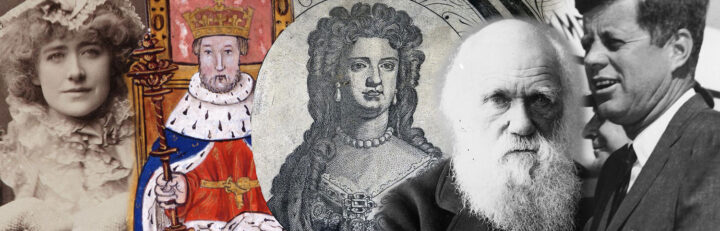
- Significant People
Who is who? - Workhouse Voices
What did paupers say about the Poor Law? - Letters from the First World War, part one
How did these men experience the conflict? (1915)
Finding Aids
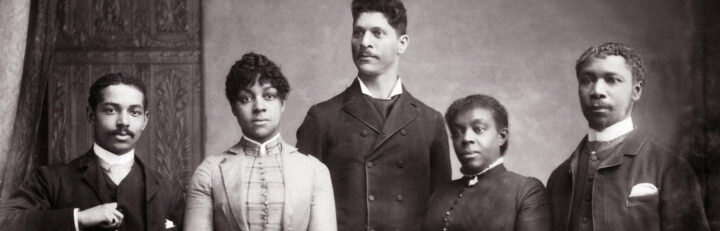
- Black, Asian and Minority Ethnic Histories
A hyperlinked list of National Archives current resources for Black, Asian and Minority Ethnic histories on The National Archives website.