Revolution 250 season
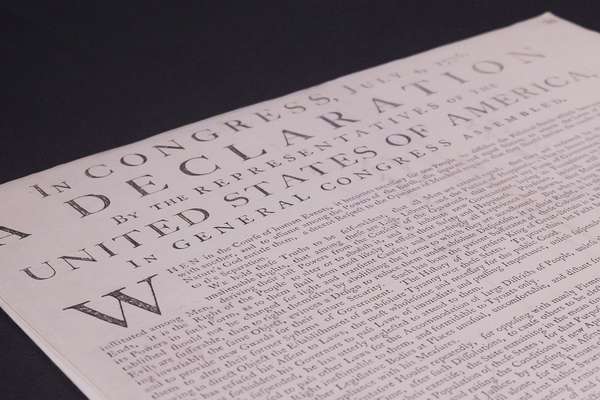
Browse our season of events and find out more about the emergence of the United States of America.
Exhibition

2026 marks the 250th anniversary of the signing of a document that changed the world: The US Declaration of Independence. We are recognising this momentous period in British American history with a powerful free exhibition that charts the emergence of the United States of America.
Featuring original maps, correspondence, first-hand accounts and reports, visitors are taken on a journey spanning twenty years that shaped history. A rare, original ‘Dunlap broadside’ of the Declaration of Independence, printed in Philadelphia on the night of 4 July 1776, is also on display, alongside a copy printed in Exeter, New Hampshire. Printed between 16 and 19 July 1776, it is one of only 11 known surviving 'Exeter' copies and the only one known to be held outside the United States.
Alongside the familiar story of Britain and the rebels, discover more about those often overlooked in the traditional narrative – Indigenous peoples, Black Loyalists, and enslaved persons. Uncover the human consequences of the decisions made on both sides of the Atlantic during this time of shifting powers and allegiances.
Revolution 250: America’s Independence Story 1763–1783 not only documents the key political events and military manoeuvres on the road to American independence but also explores the impact of the conflict on those who lived through it.
For this exhibition our team consulted with members of the Onondaga and Mohawk nations, and the Black Loyalist Heritage Centre in Nova Scotia.
This exhibition contains material relating to colonial violence, slavery, and warfare. Some records include ideas, language and imagery that may be offensive or distressing.
The exhibition is supported by The National Archives Trust and made possible through the generosity of members of the Exhibition Circle:
No booking needed, except groups of 10+
Get a glimpse of some of the documents on display:
Image 1 of 6
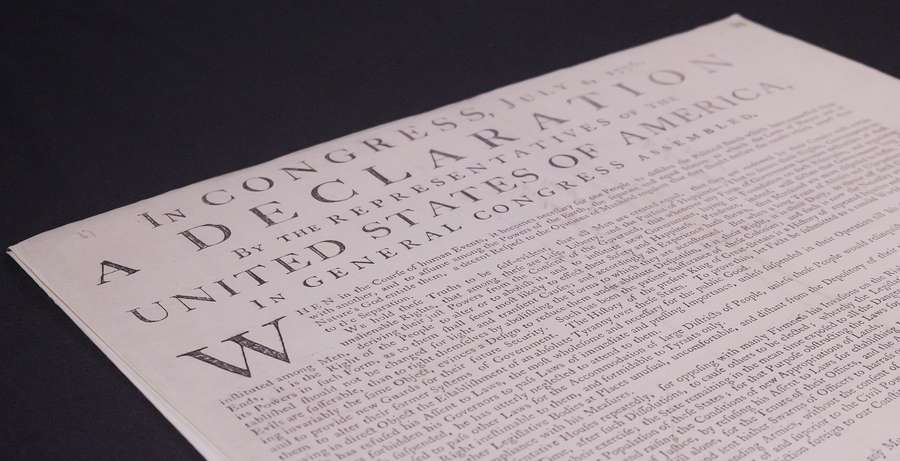
250 years ago, the Declaration of Independence boldly proclaimed the Thirteen Colonies as a new, independent nation: the United States of America. Catalogue reference: EXT 9/1
Image 2 of 6
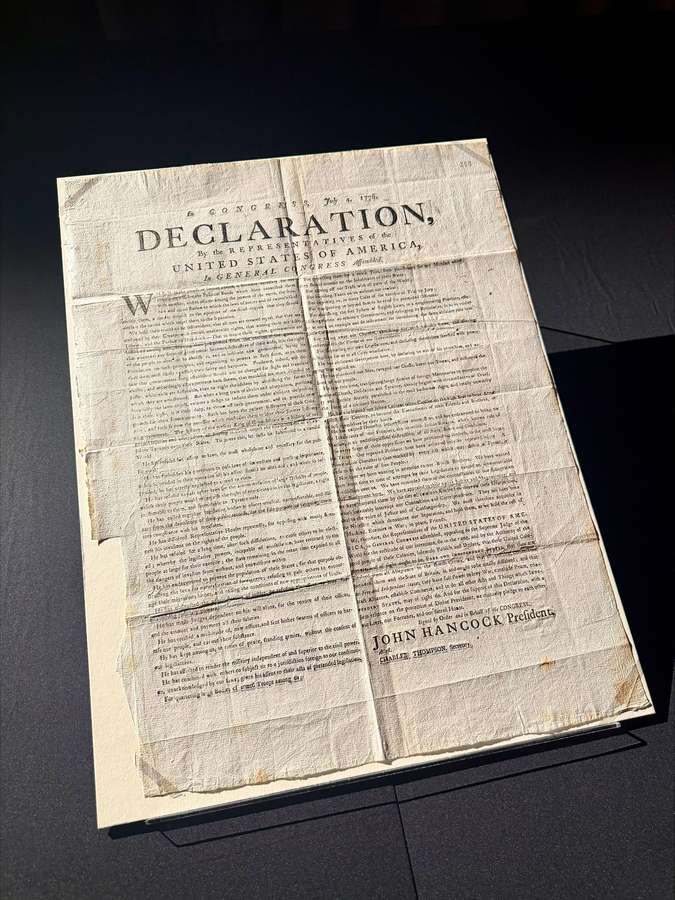
Printed in Exeter, New Hampshire, in July 1776, this is one of only 11 known surviving 'Exeter' copies of the Declaration of Independence and the only one known to be held outside the US. Catalogue reference: ADM 1/1790/125/1
Image 3 of 6

Signed by members of the Mohawk nation, this land agreement formed part of the uneasy system of treaties with Indigenous nations that underpinned British power in North America. Catalogue reference: MPQQ 1/29
Image 4 of 6

Parliamentary legislation like the Tea Act were seen as ‘taxation without representation’. This pushed the Thirteen Colonies towards revolution. Catalogue reference: YHL/PO/PU/1/1772/13G3n132 (Parliament’s Archive Collections)
Image 5 of 6

By signing this letter, rebel general George Washington formally accepted a landmark British surrender at Yorktown – and the beginning of the end of British power in the Thirteen Colonies. Catalogue reference: PRO 30/11/64
Image 6 of 6
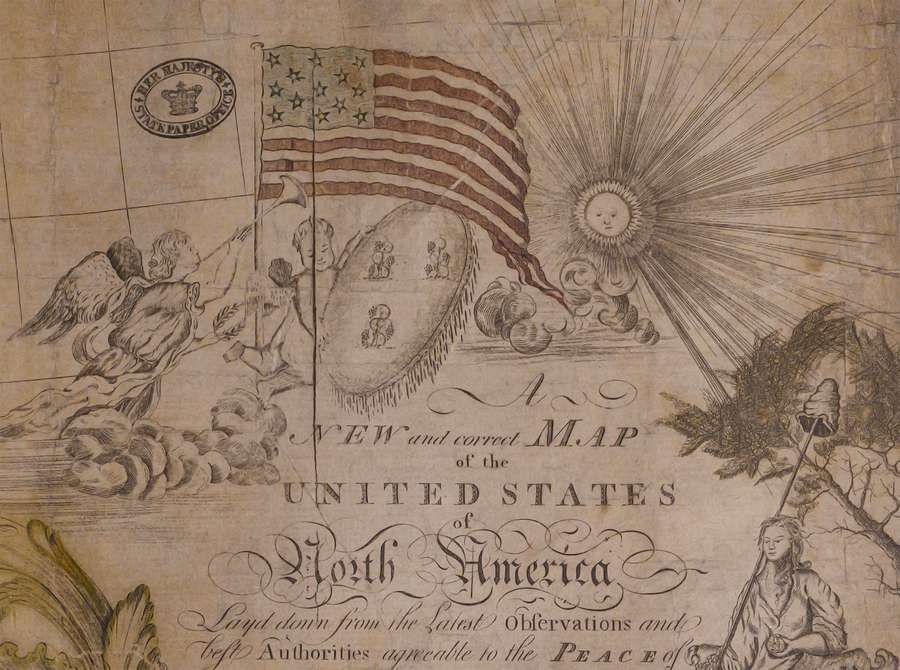
This was the first map of North America printed in the new United States, showing the personification of Liberty triumphant next to the new 'stars and stripes' flag. Catalogue reference: CO 700/NorthAmericanColoniesGeneral17
The National Archives is the official archive of the UK government, and England and Wales. We are the guardians of over 1,000 years of iconic national documents.
Everyone is welcome to visit our headquarters in Kew. We put on exhibitions, events and displays and offer reading rooms giving access to our collections there.
The National Archives is located by the River Thames in Kew, 30 minutes from Central London. We offer advice on travelling to us by car, bike, train or bus.
Groups of ten people or more must book in advance, at least seven days before your visit.
We unfortunately cannot accept group bookings in the first and last two weeks the exhibition run.
Find out more about booking group visits and our exclusive entry packages for groups.
Visitors to Revolution 250 can listen to a free audio tour of the exhibition. Provided by the exhibition curators, it provides background context to the twenty-year story and objects on show.
To listen to the tour, either download the free Smartify app and search for 'The National Archives' or scan the QR codes at the exhibition entrance.
Everyone is welcome to visit this exhibition once it opens.
We provide a warm welcome to visitors of all ages, including children and family groups.
We have a café and coffee bar provided by Maids of Honour, a historic local tea room and bakery. It has spacious indoor and outside seating and a soft play area.
On the menu is a variety of high-quality lunchtime meals, sandwiches, snacks, soft drinks, tea and coffee. Vegetarians, vegans and other dietary requirements are all catered to.
We kindly ask all exhibition visitors observe our exhibition conditions of entry:

Join us at one of our in-person or online events.
Browse our season of events and find out more about the emergence of the United States of America.

Get up close to the story of America’s foundation with our display of costumes from the award-winning musical Hamilton.
In pictures
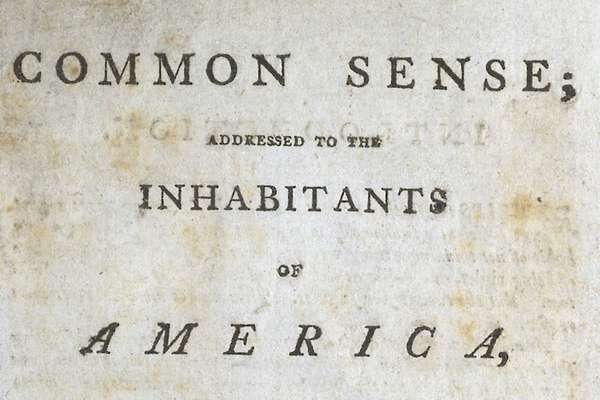
What were the key moments that led to the American Revolution? From the Boston Tea Party to the Declaration of Independence.
Collection blog

Read the story of how a rare 1776 printing of the Declaration was discovered.
The story of
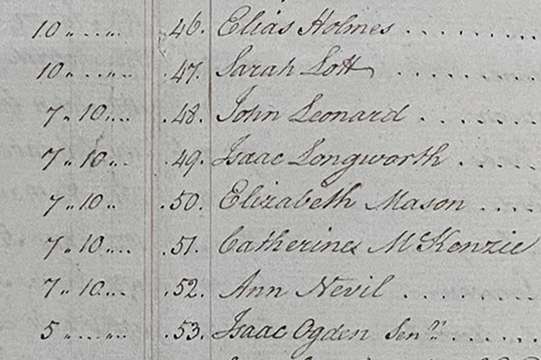
Ann Nevil's story is one of many extraordinary people whose lives were changed forever during the American Revolution.
Record revealed
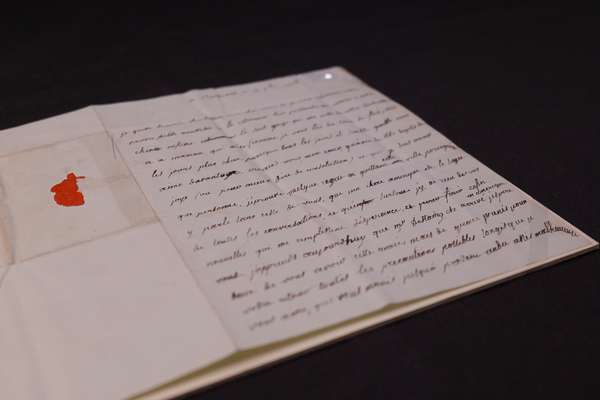
This previously unknown letter from Adrienne de Lafayette reveals her unfailing love for her husband.
Browse our specially selected books and gifts that explore this momentous period in British American history.