
Happy, healthy and wealthy, or divided, lawless and poor? Explore Victorian Britain.
This resource has been archived as the interactive parts no longer work. You can still use the rest of it for information, tasks or research. Please note that it has not been updated since its creation in 2000.
Go to Victorian Britain
You can find more content on this topic in our other resources:
Lessons
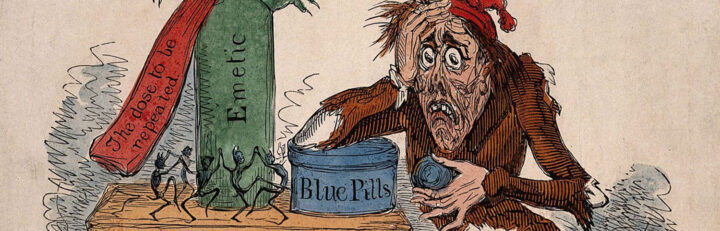
- Coping with Cholera
How did the authorities react in 19th century? - All on board!
What can we learn from old board games? - Past pleasures
How did the Victorians have fun? - Victorian Health Reform
How did the Victorians view compulsory vaccination?
Themed collections
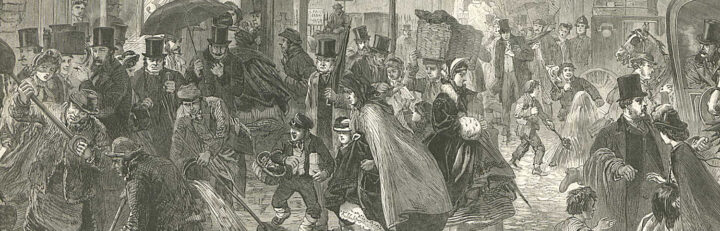
- Victorian Industrial Towns
What made them unhealthy? - Victorian lives
How was life different in Victorian times?