
Find out about archival sources and investigate the conflict involving King Charles I, Parliament, the people and Oliver Cromwell.
This resource has been archived as the interactive parts no longer work. You can still use the rest of it for information, tasks or research. Please note that it has not been updated since its creation in 2009.
Civil War People
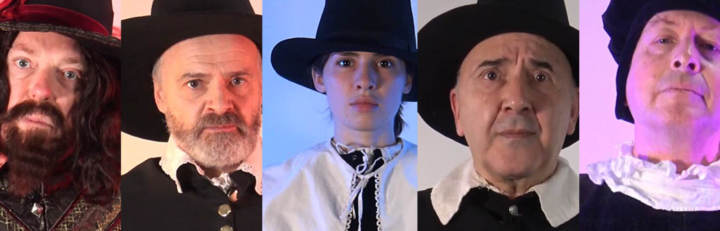
The five videos in this resource showing how different people possibly viewed the prospect of civil war in 1642 have been updated to a greater quality in our resource ‘Civil War People‘:
You can find more content on this topic in our other resources:
Lessons
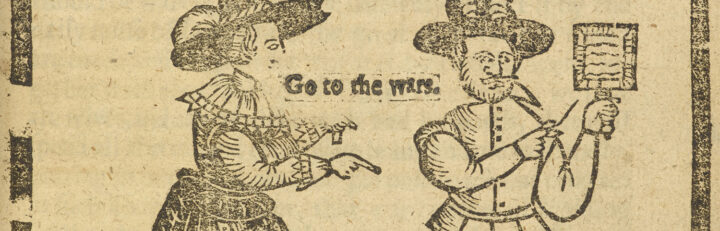
- Women and the English Civil Wars
How did these conflicts affect their lives? - James I
What were the key areas of dispute?
Videos
- Spotlight On: Maps
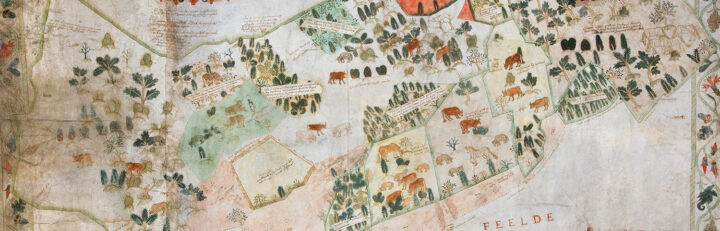
Collections expert Rose Mitchell looks at a map of Aldbourne Chase from 1608.