
Investigate crime in Britain, its prevention and punishment, from the 13th century to the present.
This resource has been archived as the interactive parts no longer work. You can still use the rest of it for information, tasks or research. Please note that it has not been updated since its creation in 2009.
You can find more content on this topic in our other resources:
Lessons
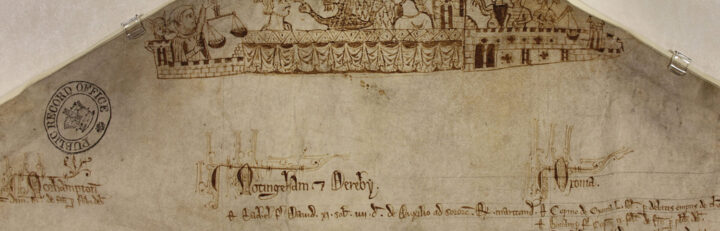
- Jews in England 1216-72
What was the relationship between Christians and Jews from 1216-72? - Victorian children in trouble with the law
Did the punishment fit the crime? - A Victorian prison
Why were Victorian Prisons so tough? - Victorian Railways
Did they create more crime?